Some places invite you not just to observe history, but to engage with it—unearthing ideas, rituals, and innovations that continue to echo in daily life today.
Ancient civilisations are not frozen in time. Their influence is embedded in architecture, language, belief systems, and everyday customs. Their relics are not only archaeological wonders, but working parts of contemporary cultural identity.
To journey through these landscapes is to trace the roots of humanity’s most enduring ideas. These are places where myth and memory converge. Where the line between past and present is porous, and where knowledge passed through generations still informs how people live, build, and worship.
What follows is a curated path through destinations where history lives in the open—etched into stone, enacted through ceremony, and kept alive in the quiet continuity of tradition.
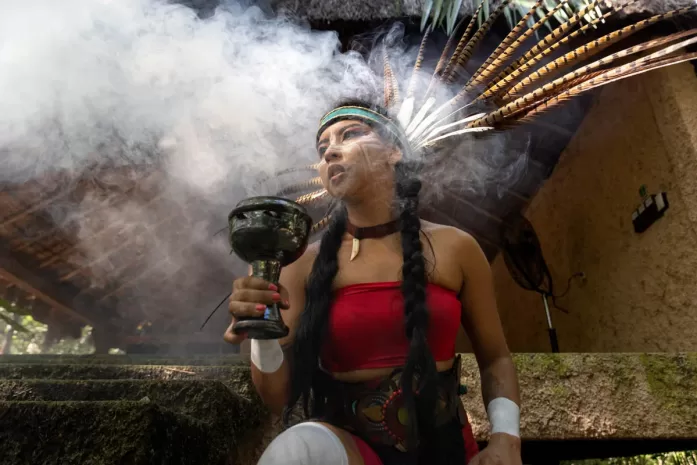
Mesoamerica
Living Legacies of the Pre-Columbian Empires
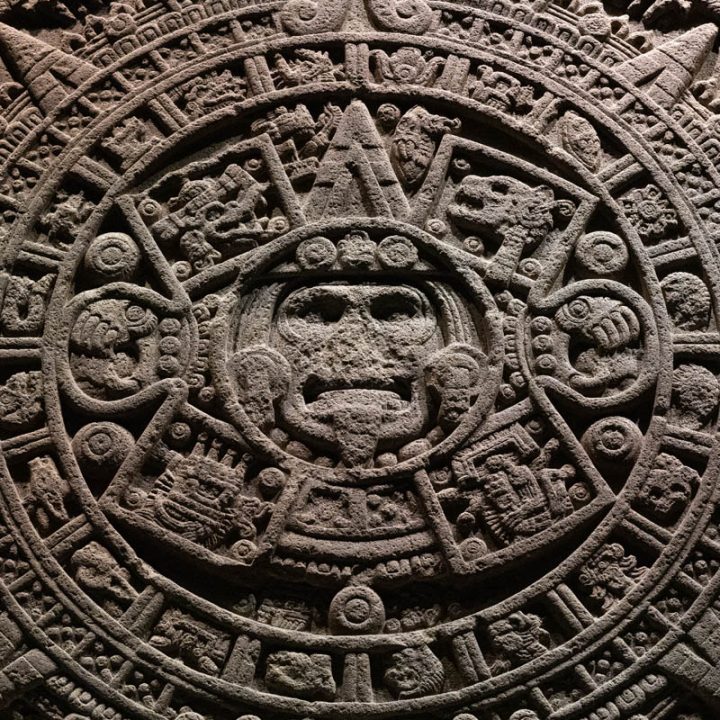
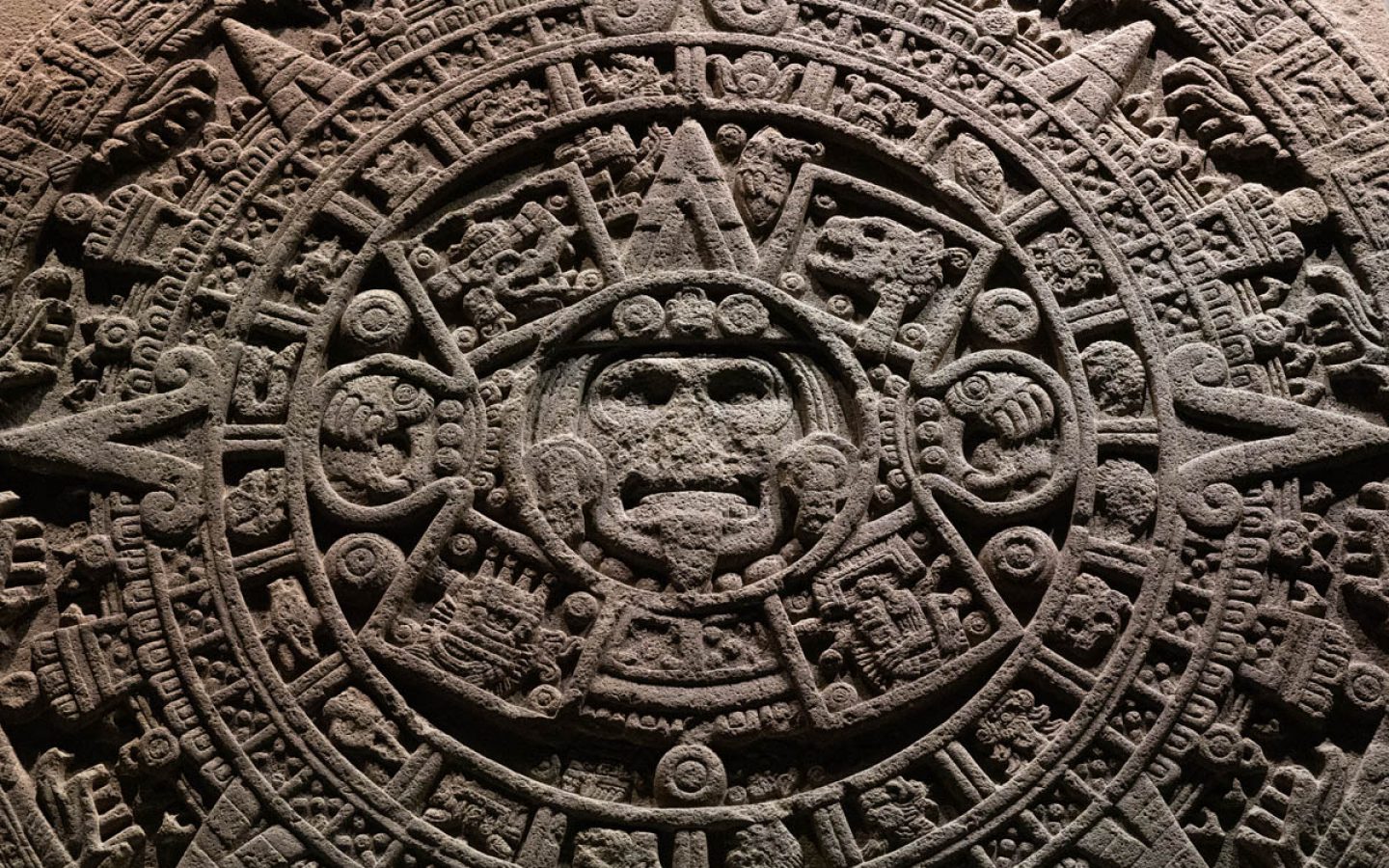
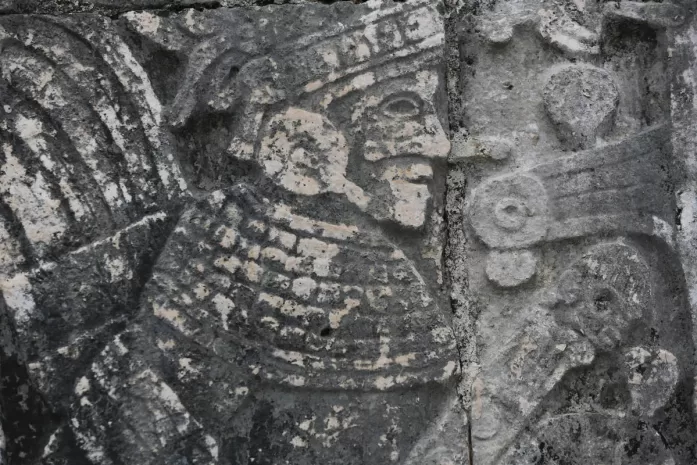
Across Central America, pyramids and stone cities mark out landscapes where great civilisations once flourished. From the Maya, to the Aztecs, the Zapotecs, and the Olmecs, each left their mark, both in physical form and in ancient wisdom; artefacts that remain deeply embedded in the culture and traditions of the region’s present-day inhabitants.
While iconic sites like Chichén Itzá and Tikal rightfully capture attention, deeper exploration reveals extraordinary locations that many travellers overlook.
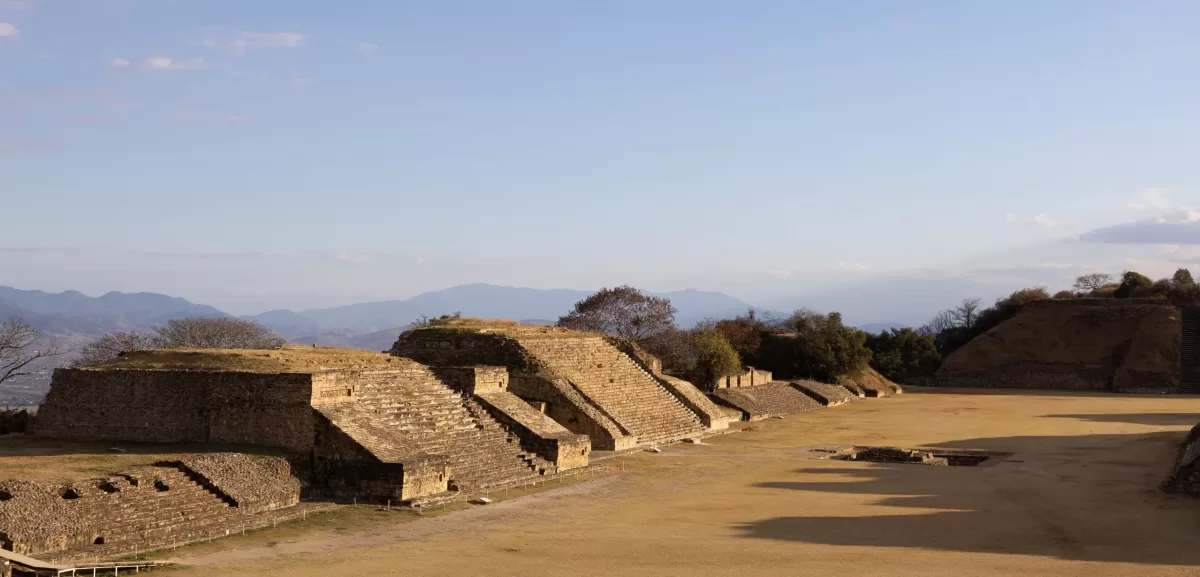
In Oaxaca, Southern Mexico, an after-hours visit to Monte Albán’s hilltop ruins provides breathtaking panoramic views, and a private view of the intricate carvings that narrate tales of the powerful Zapotec civilisation.
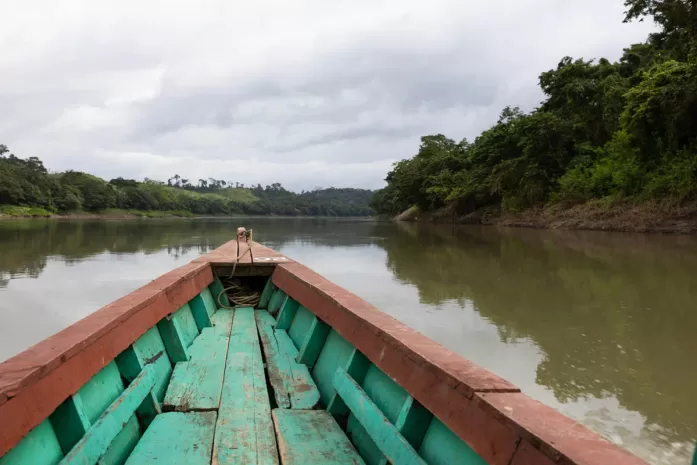
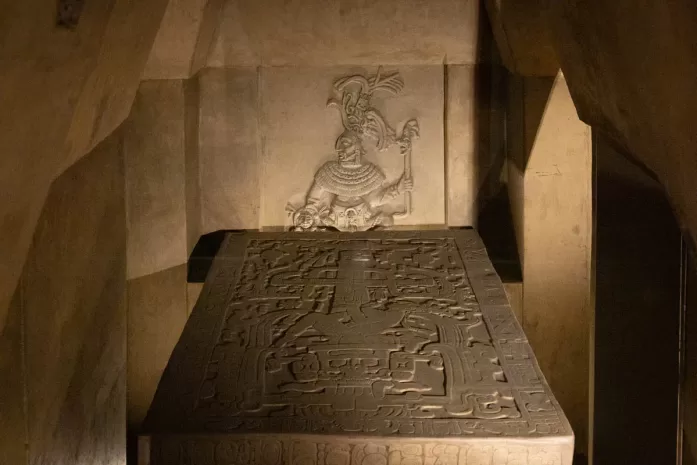
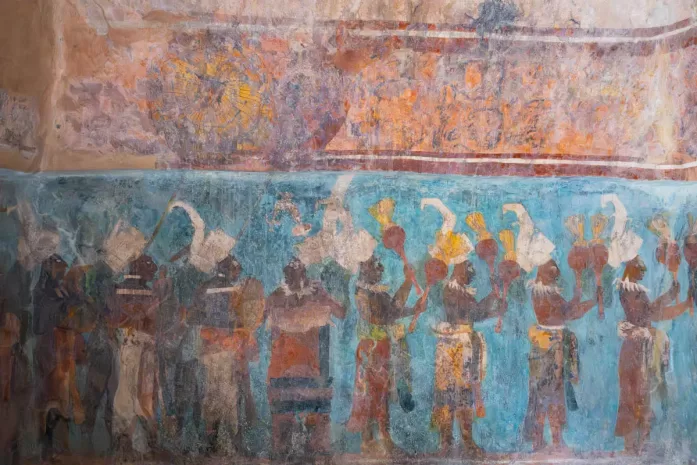
Deep in the jungles of Chiapas, Palenque’s pyramids and hieroglyphic inscriptions preserve the tales of royal lineage. Bonampak’s vividly painted murals illustrate scenes of court life and ritual with striking clarity. Yaxchilán’s temples and carved lintels, accessed by boat, reveal stories of great kings, bound prisoners, and sacrificial duty.
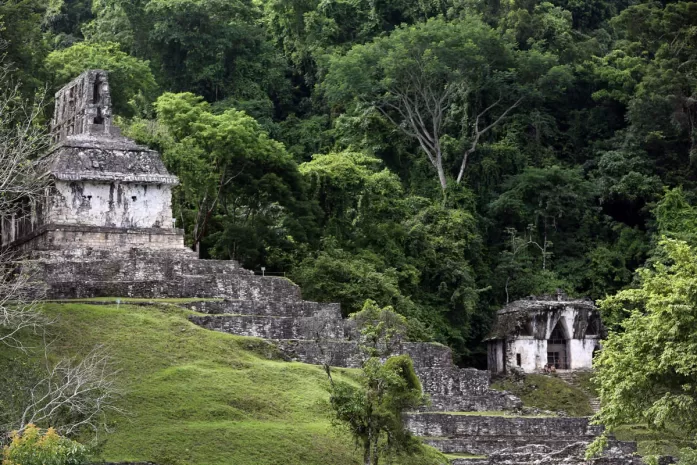
In Guatemala’s remote Petén region, explore Uaxactun’s remarkable astronomical temples, carefully aligned to celestial events, reflecting the Maya’s deep understanding of cosmology and science. Farther north, accessible only via helicopter or challenging jungle trek, the immense yet largely unexcavated pyramids of El Mirador promise exclusivity and mystery.
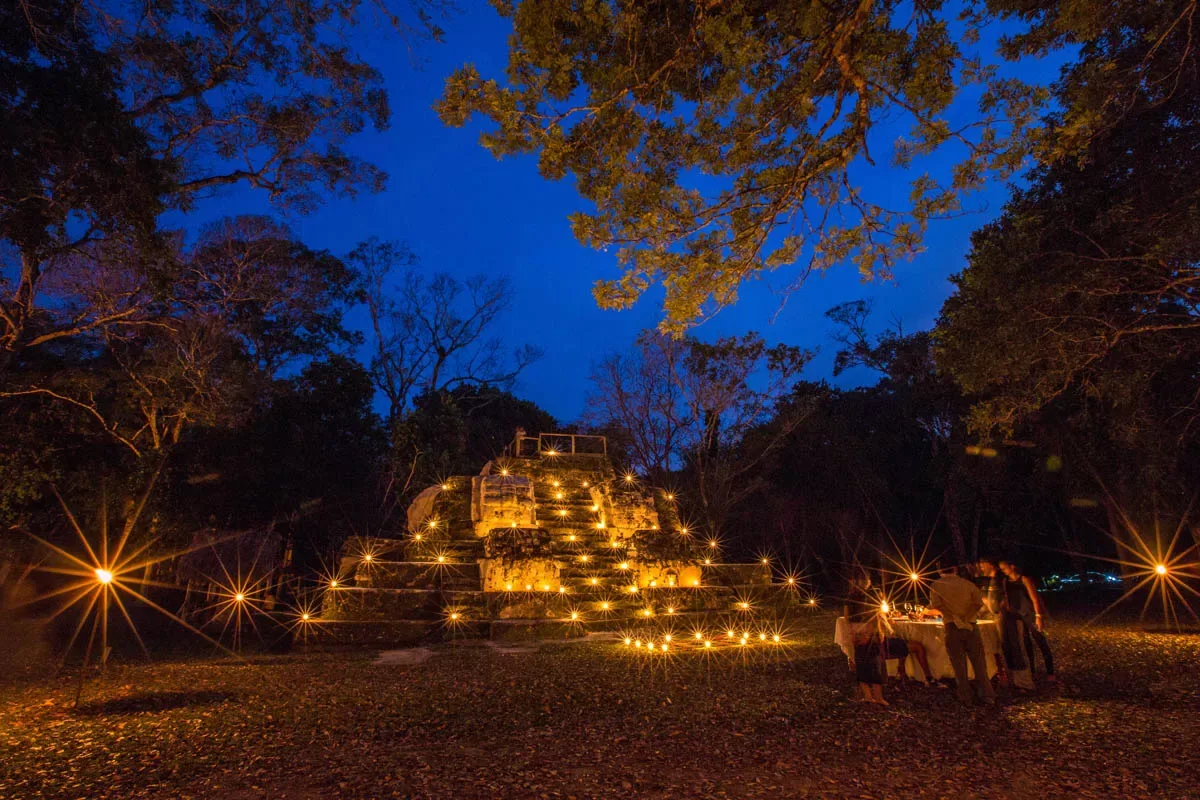
Spend an evening dining at the base of an ancient temple, with each course drawn from original recipes of the region’s early civilisations, prepared with native ingredients and served by firelight.
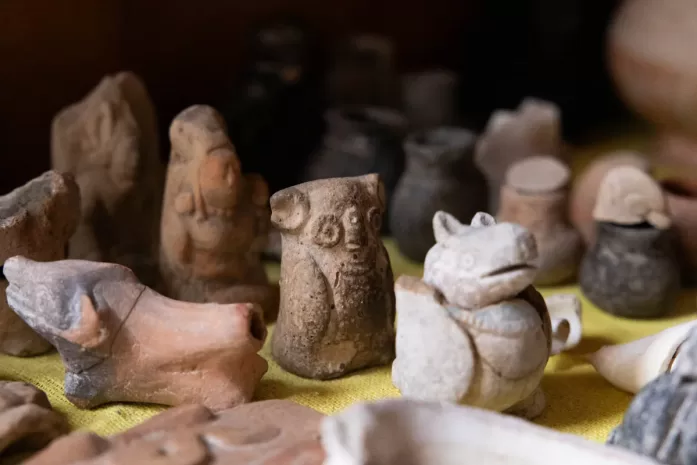
Enjoy special access to private collections of artefacts, some of which date back more than 3000 years.
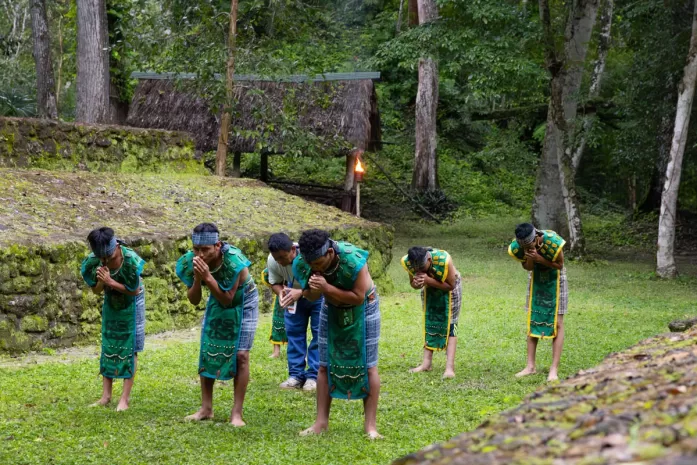
Witness a private reenactment of the ancient Maya ballgame—once a ceremonial spectacle steeped in cosmology, mythology, and political ritual—brought to life by local players within the original court, just as it was performed in the time of the great city-states.
Saudi Arabia
Desert Chronicles
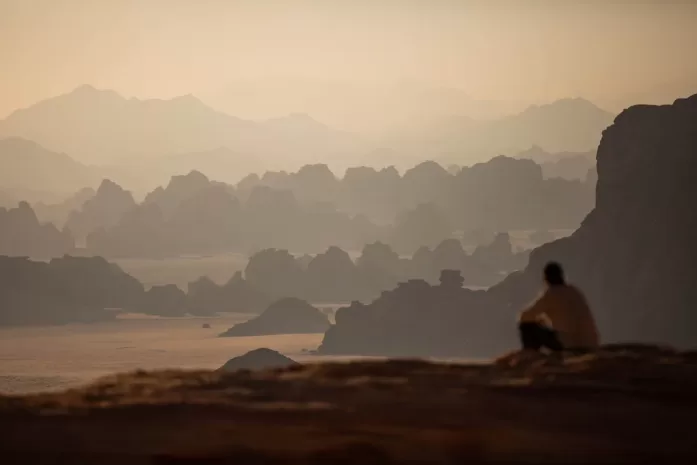
In the northern reaches of Saudi Arabia, vast deserts hold layers of ancestral history that are largely unknown.
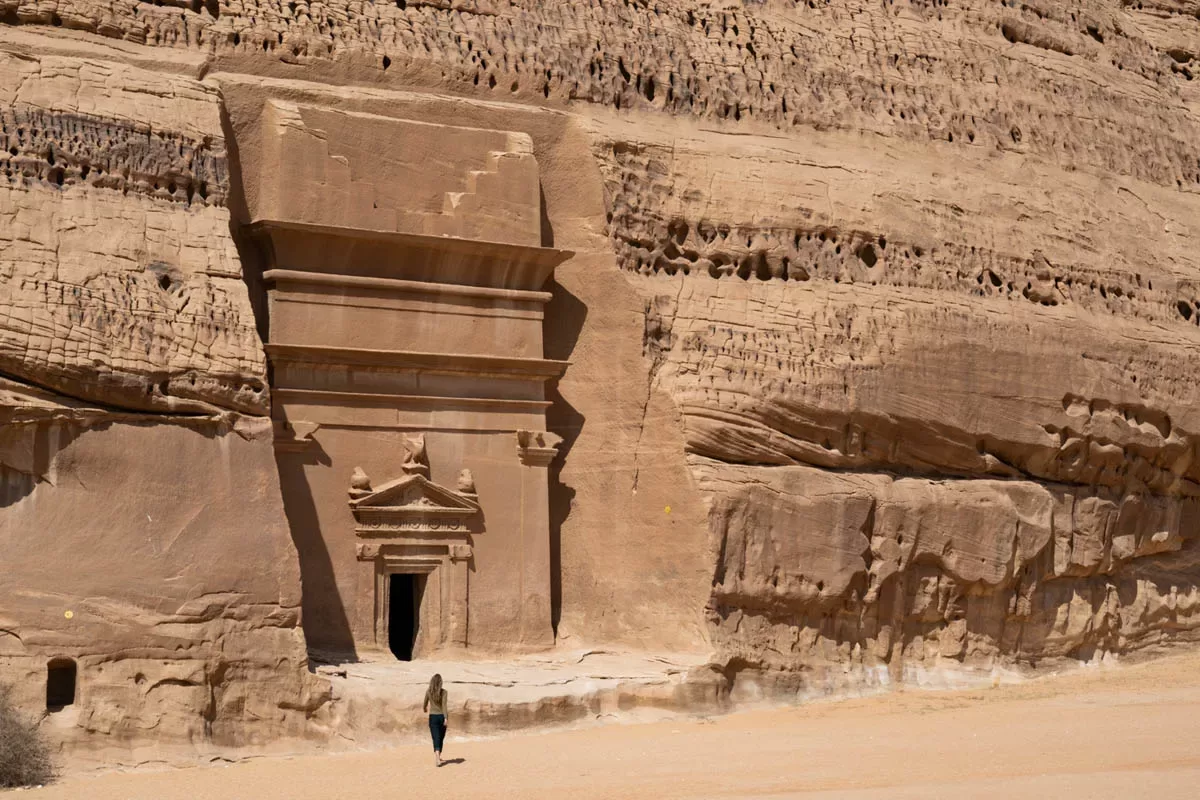
In AlUla, human history rests harmoniously within the grandeur of nature. Hegra’s monumental tombs, carved directly into sandstone cliffs by the Nabatean civilisation, are inscribed with ancient Aramaic texts. These architectural wonders offer a glimpse into a sophisticated culture, shaped by trade and cross-cultural exchange.
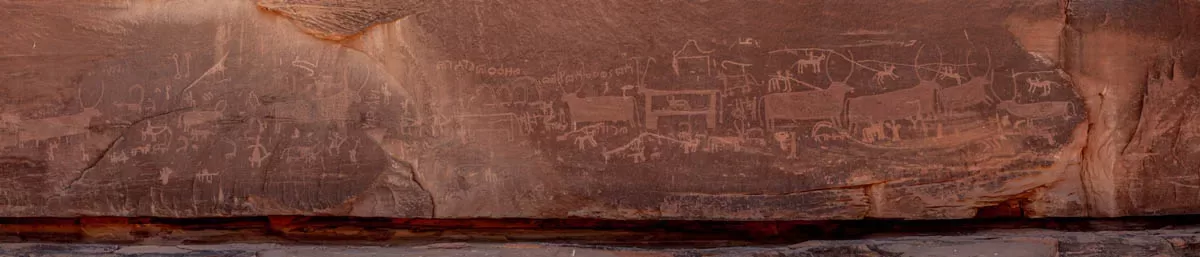
Further north, the Hisma Desert reveals its own ancient narratives. Among the sandstone formations sculpted by wind and time, countless petroglyphs remain etched into rock surfaces.
Dating back thousands of years, these carvings depict scenes of daily life, wildlife, hunting practices, and symbols whose meanings continue to be studied. They form an open-air museum, silent yet powerful.
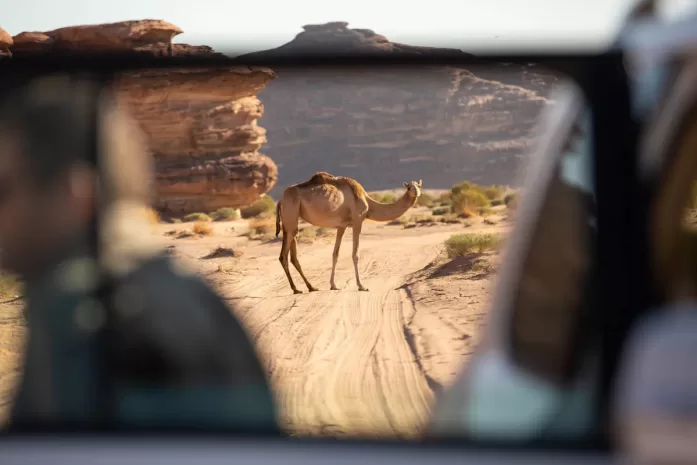
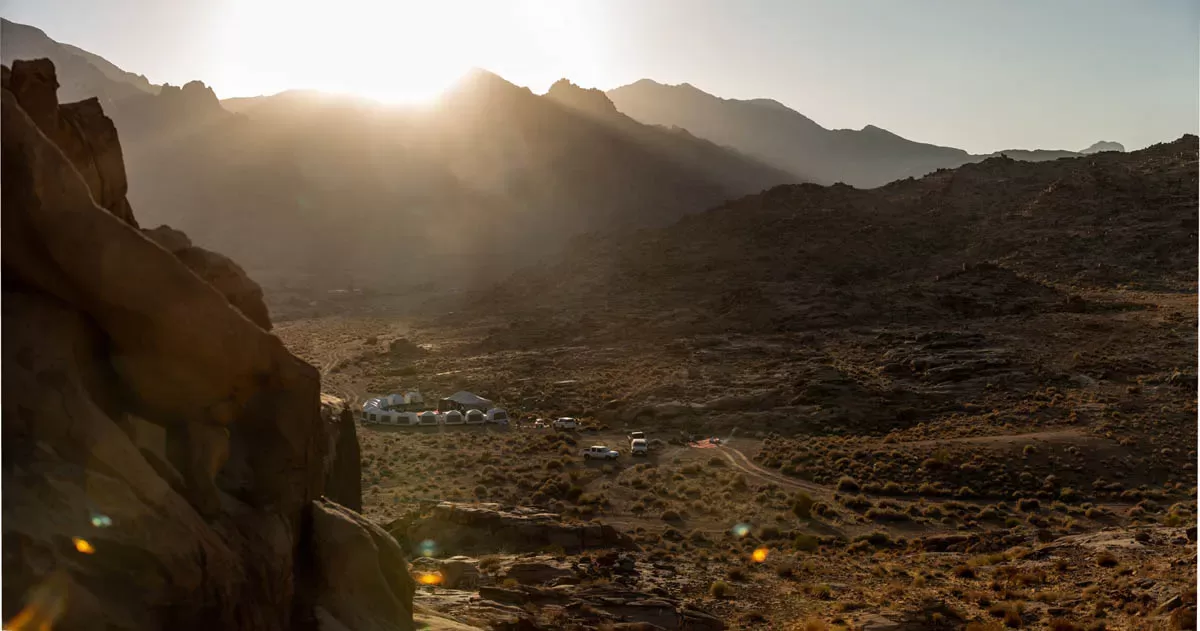
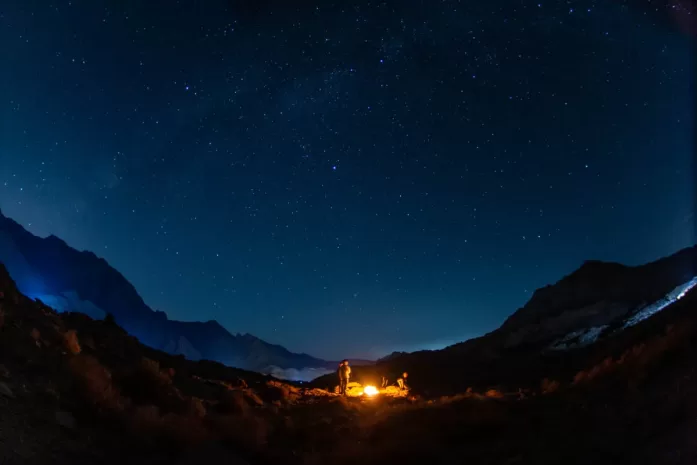
Accompanied by expert scholars, explore hidden sites beyond public reach. Then, to truly feel the echoes of the past, stay overnight in a private desert camp, illuminated only by lanterns, starlight and a glowing fire.
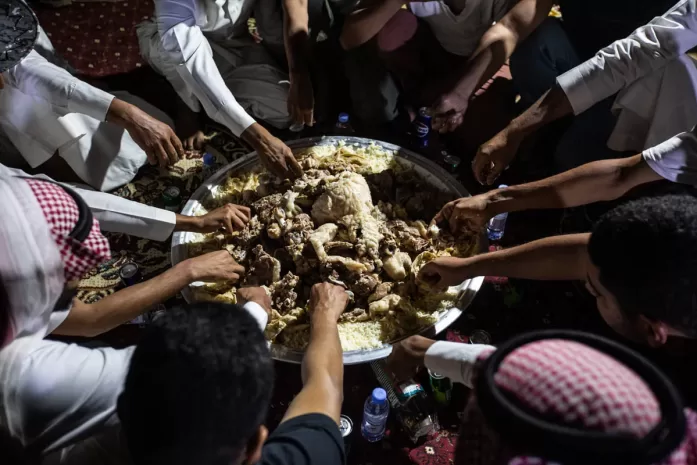
In these surroundings—landscapes traversed by spice traders and wandering caravans for millennia—you find yourself stepping into the very rhythms of ancient desert life.
Ethiopia
Sacred Engineering in the sky
One of the world’s oldest nations—and one of only two African countries to resist European colonisation—Ethiopia holds a legacy that is proud, resilient, and deeply soulful. An ancient past that is just as compelling as its cultural identity today
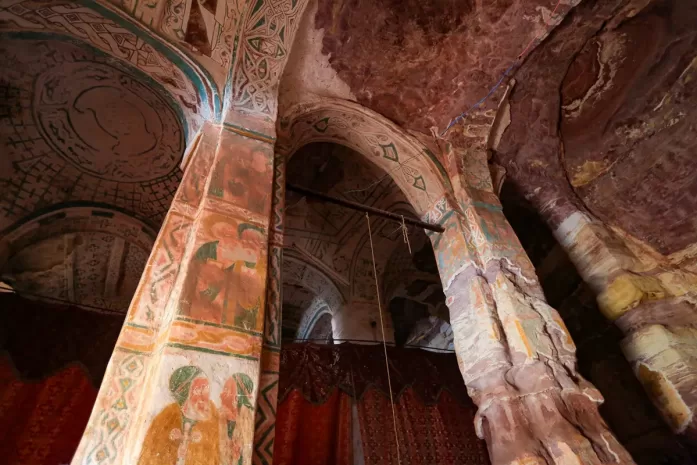
In the north, the rock-hewn churches of Lalibela stand as enduring symbols of devotion and architectural mastery. Carved directly into volcanic rock in the 12th century under the Zagwe dynasty, these eleven sanctuaries were envisioned as a ‘New Jerusalem’, inspired by the spiritual and political legacy of the earlier Aksumite Kingdom.
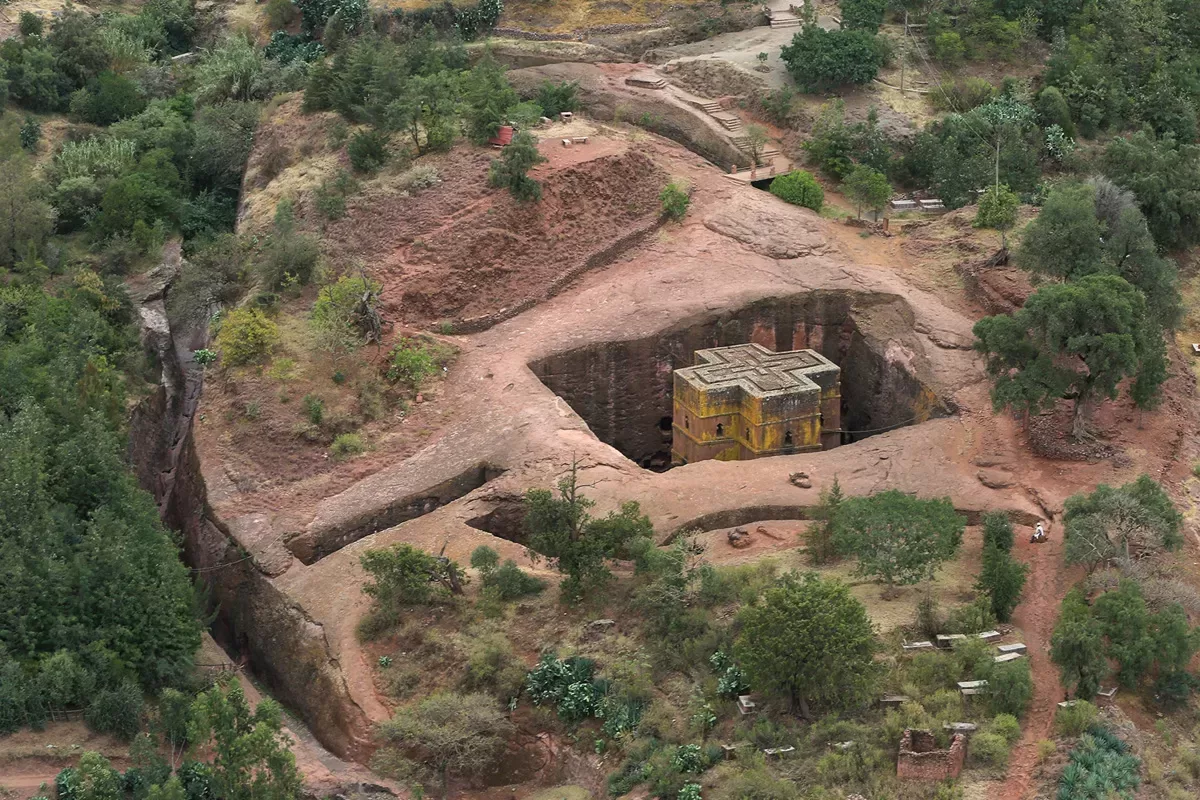
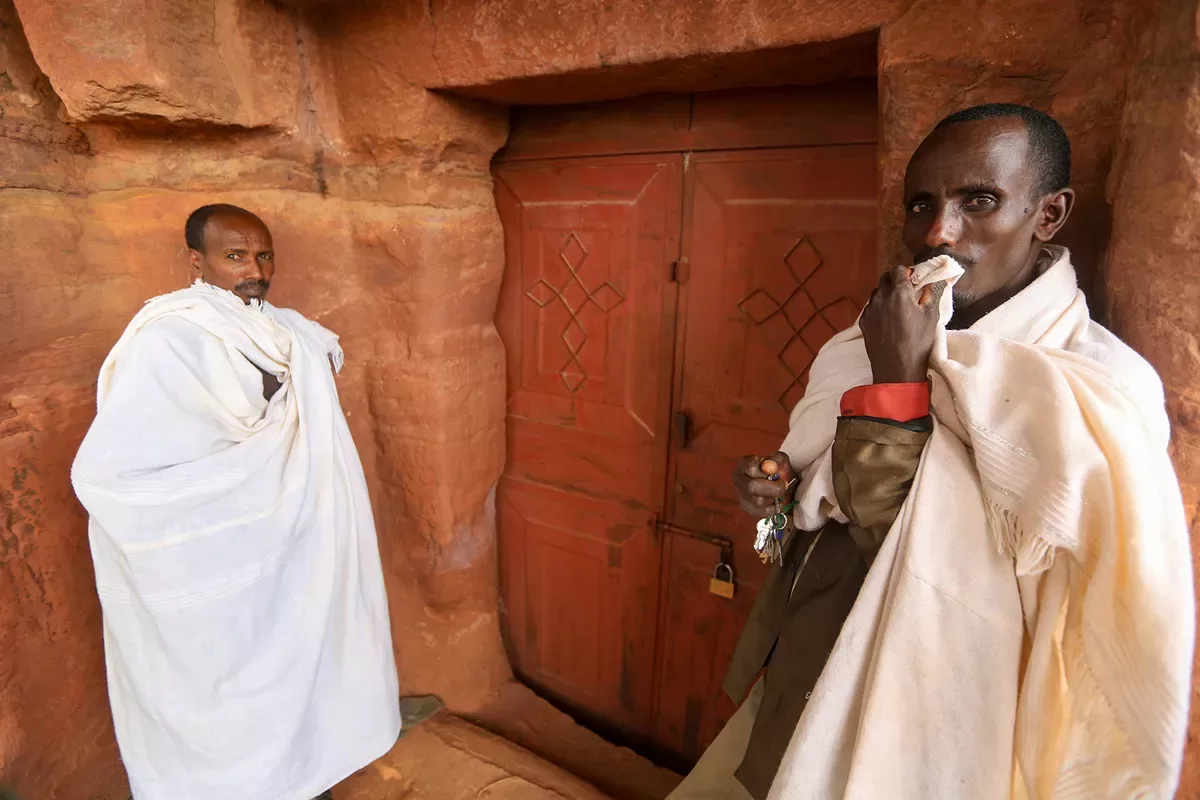
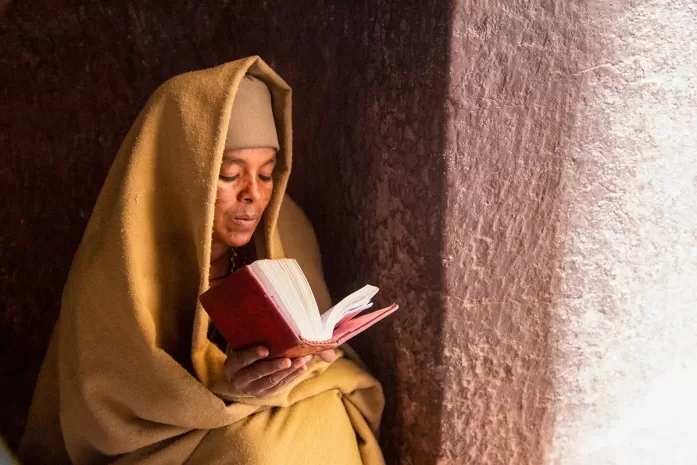
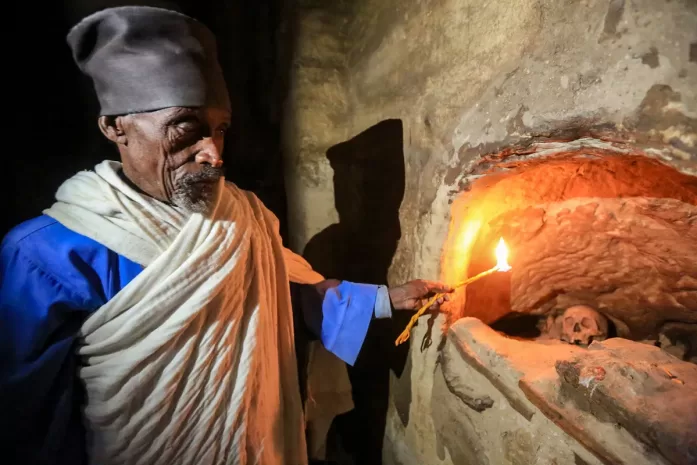
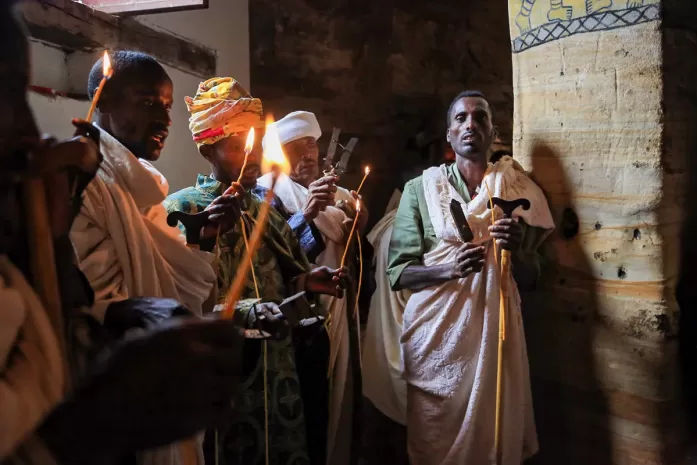
Exploring the churches in the company of local custodians who preserve their stories, step inside where flickering candlelight lights up the colourful paintings that adorn each wall, and priestly chants echo softly between the pillars.
For those visiting during a religious festival, the atmosphere intensifies as thousands of pilgrims dressed in white gather in collective devotion.
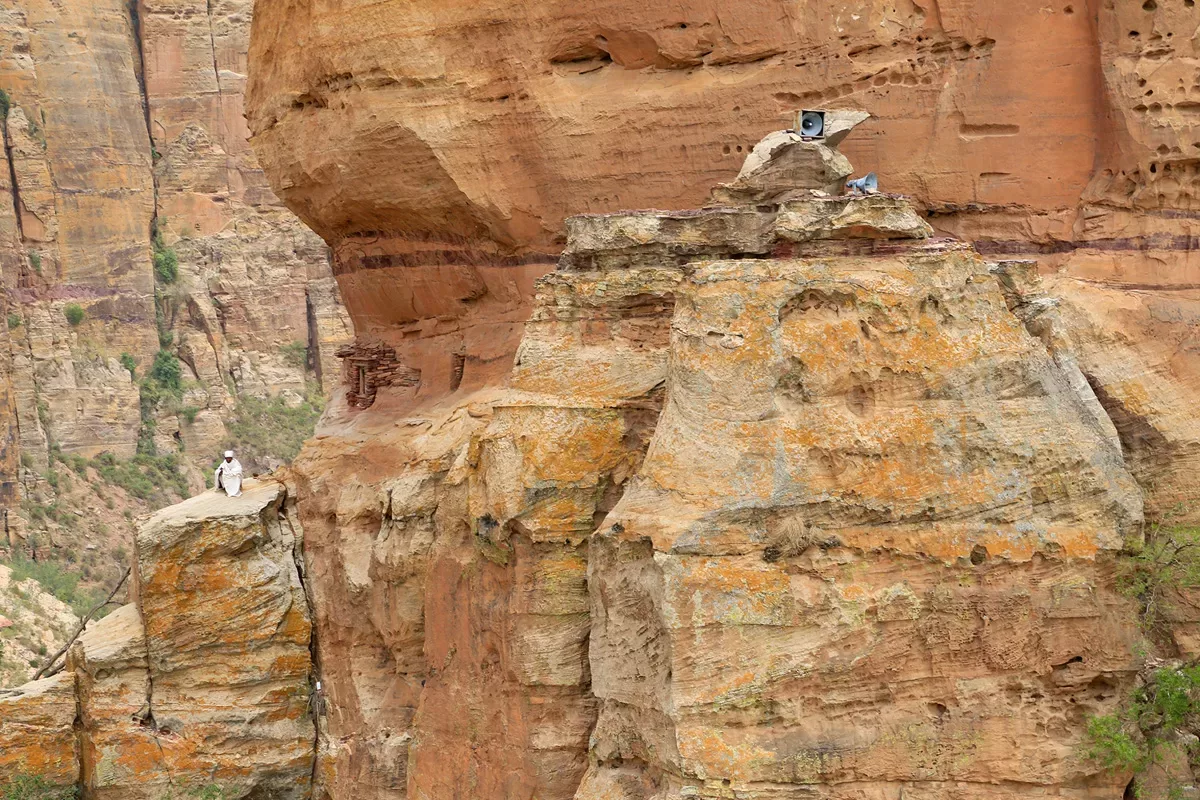
Further north in the Tigray region, the cliffside churches of Gheralta—which date back to possibly the 6th century—present a more dramatic encounter.
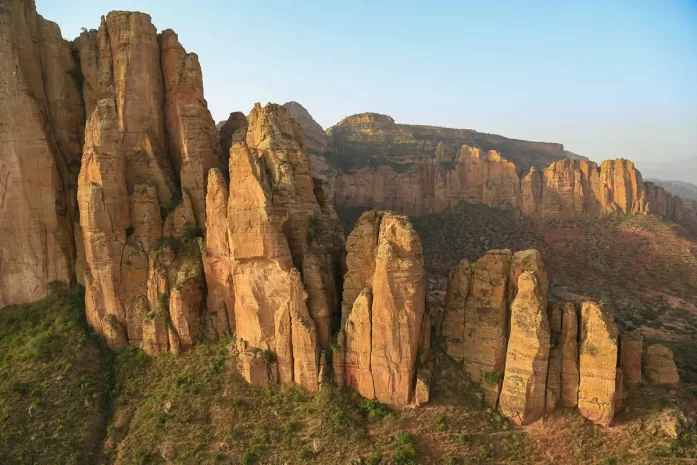
Carved high into the sheer sandstone faces of the Gheralta Mountains, these “churches in the sky” are accessible only via vertigo-inducing climbs, sometimes with nothing but hand and footholds carved into the rock. The ascent is as spiritual as it is physical, offering a glimpse into a tradition of devotion that defies gravity.
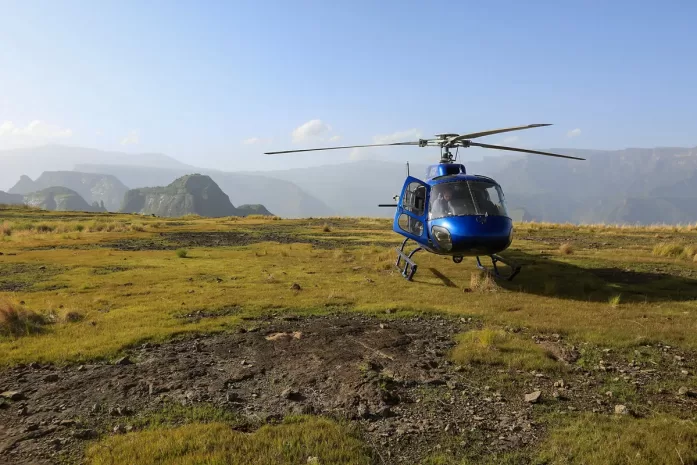
Beyond the churches, Ethiopia’s cultural and natural landscapes offer rich diversity. Fly by helicopter over the majestic Semien Mountains and camp under the stars in the national park, where gelada monkeys and Ethiopian wolves roam highland plateaus.
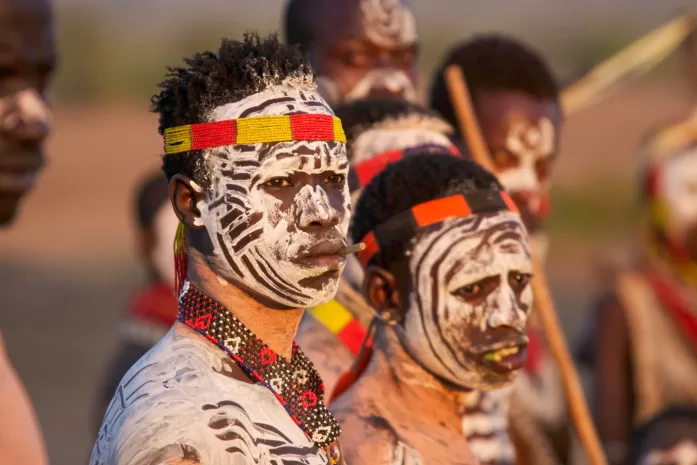
In the south, journey into the Omo Valley to meet communities such as the Mursi and Hamar, whose ceremonial rites reflect complex social traditions and ancestral belief systems. With the guidance of local cultural mediators, learn the significance of rituals such as the Mursi’s donga (stick fighting) or the Hamar’s bull-jumping ceremony—occasions rooted in identity, strength, and transition.
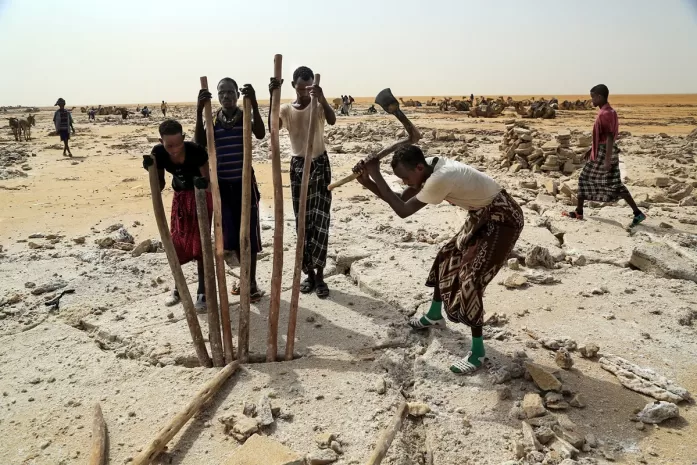
Continue north to the Danakil Depression and spend the night on its vast salt flats with the Afar people. Witness their enduring way of life in one of the world’s most extreme environments, and hear stories that trace a lineage of spiritual traditions said to reach back to the time of Noah.
Cambodia
Kingdom of Temples
Ancient civilisations endure—layered in meaning, quietly embedded in landscape, ritual, and daily life.
These journeys offer more than archaeological depth; they reveal a living continuum of culture, shaped by both past and present. Far from the tourist path, we curate access to places where history is not only preserved, but still practised. Our role is to bring you closer—not just to the stories etched in stone, but to the people who continue to carry them forward.
At the heart of Cambodia’s ancient world lies Angkor. Once the capital of the Khmer Empire, it is now one of the most significant archaeological sites in Southeast Asia.
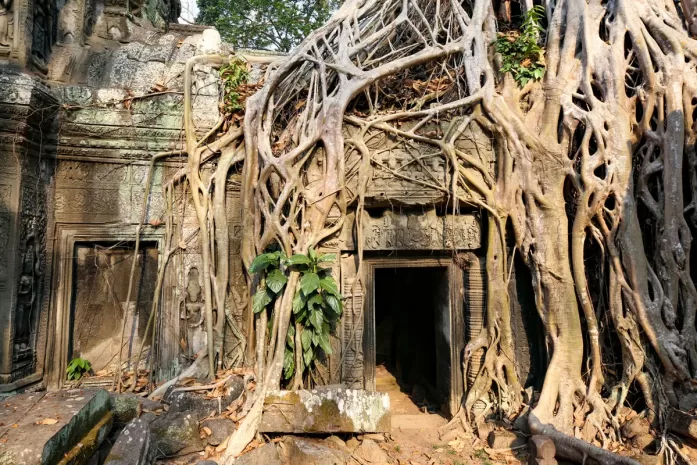
While Angkor Wat is its best-known monument, it is only a fragment of a much larger and more complex urban network. From the tree-strangled towers of Ta Prohm to the serene faces of Bayon, each temple reveals something different about the empire’s spiritual and political life.
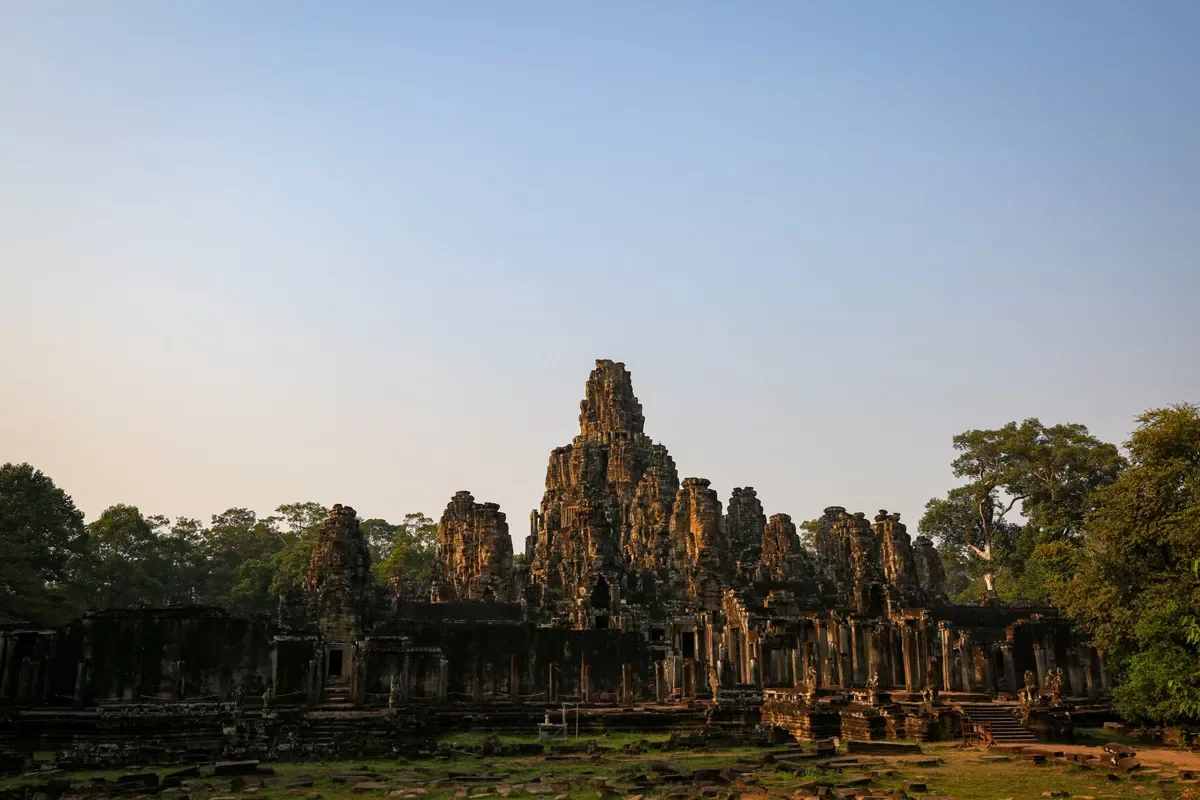
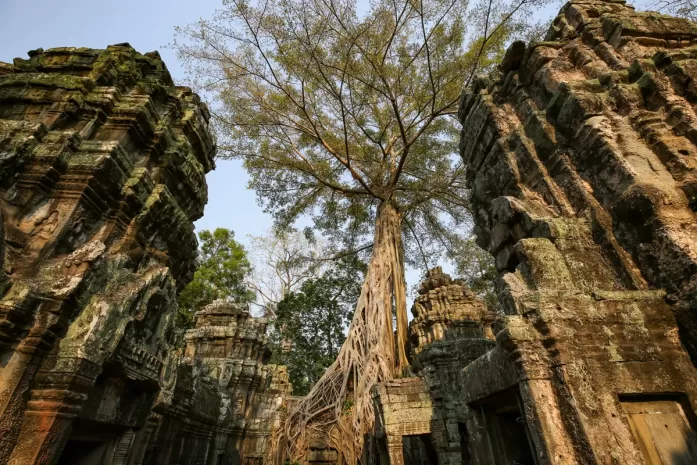
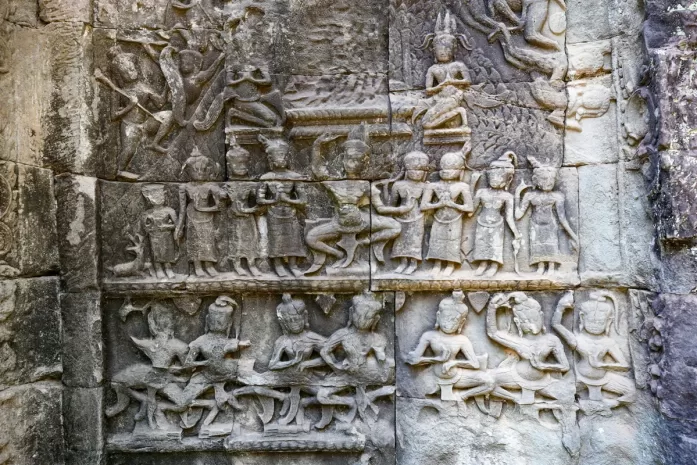
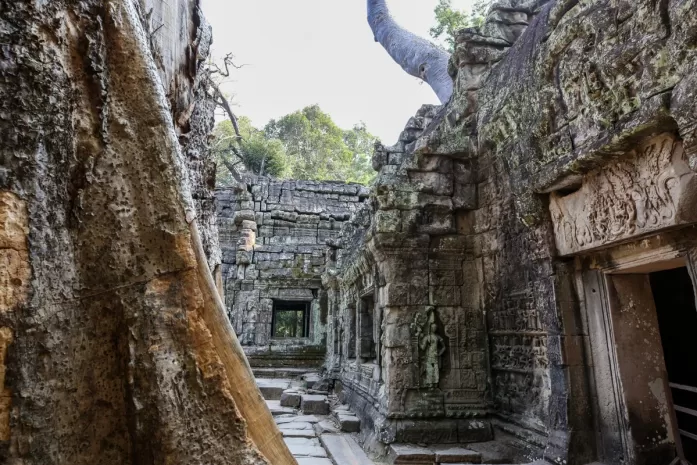
Many of these structures were conceived as mandalas—sacred diagrams in stone, aligned with cosmic and earthly principles. Religion, astronomy, and imperial power were closely intertwined, with temples designed to reflect Mount Meru, the mythical centre of the universe.
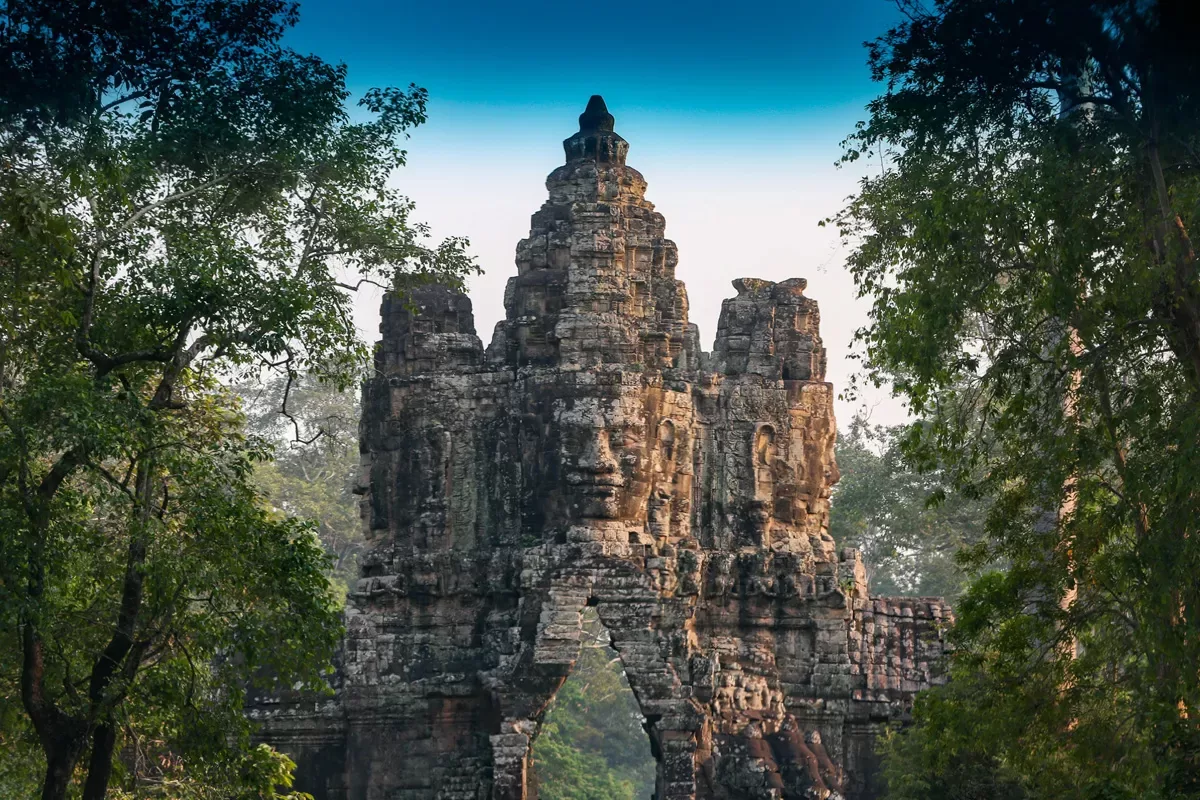
Enjoy exclusive access to the world’s most spectacular temple complex with Angkor Wat’s premier historian. Access lesser-visited sites hidden in the surrounding forest and experience a private blessing ceremony led by an enlightened monk.
Take a scenic flight over the temples to get a bird’s-eye perspective of both modern Cambodian life and the treasures of ancient Angkorian civilisation.
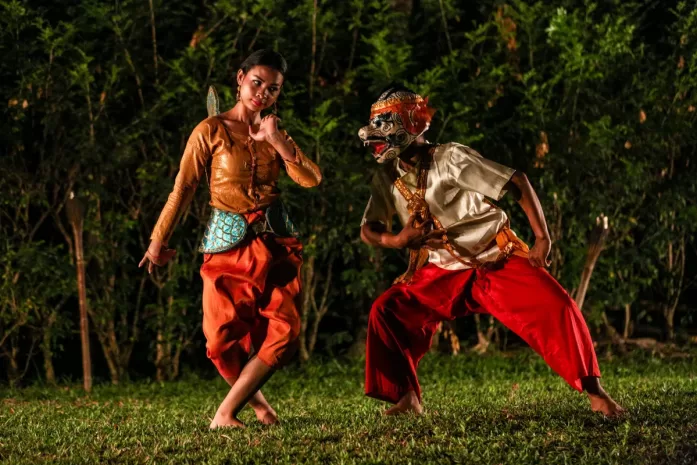
In the evenings, private performances of traditional Apsara dance follow deep discussions with local archaeologists and a sunset feast.
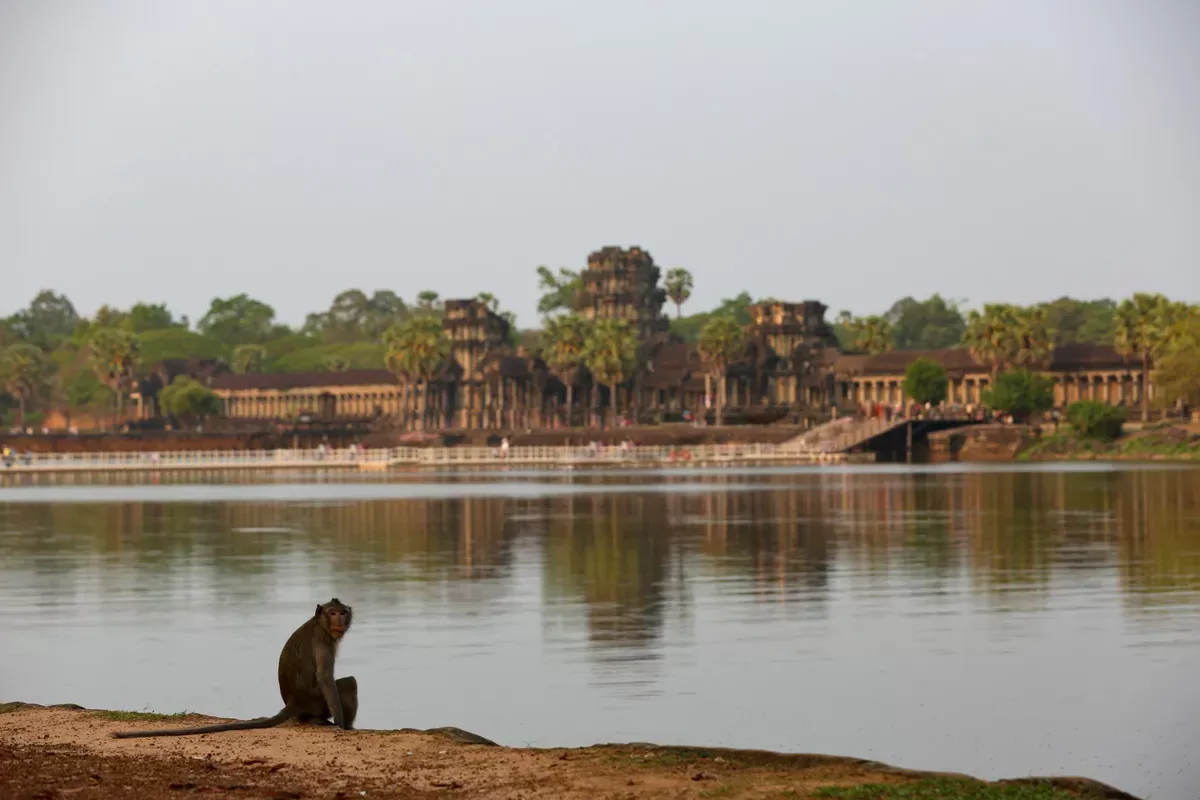
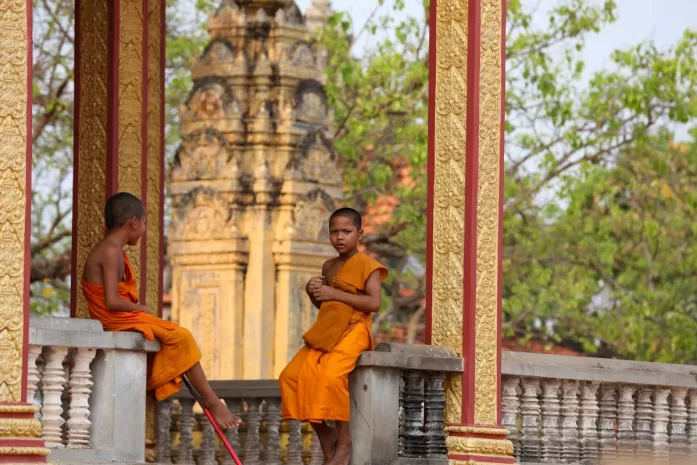
There’s something deeply compelling about standing where civilisations once rose and fell. It’s not just the architecture or the artefacts, it’s the sense of perspective. A reminder that the world is older, wiser, and more layered than it first appears.
Traveling with Based On A True Story, journeys into the ancient world offer more than insight, they offer context. They connect today’s questions with yesterday’s answers through encounters with the people still living among these legacies.
Whether it’s walking with an archaeologist through a forgotten site or joining local families in rituals passed down for generations, these are experiences that stay with you, as part of your own legacy.