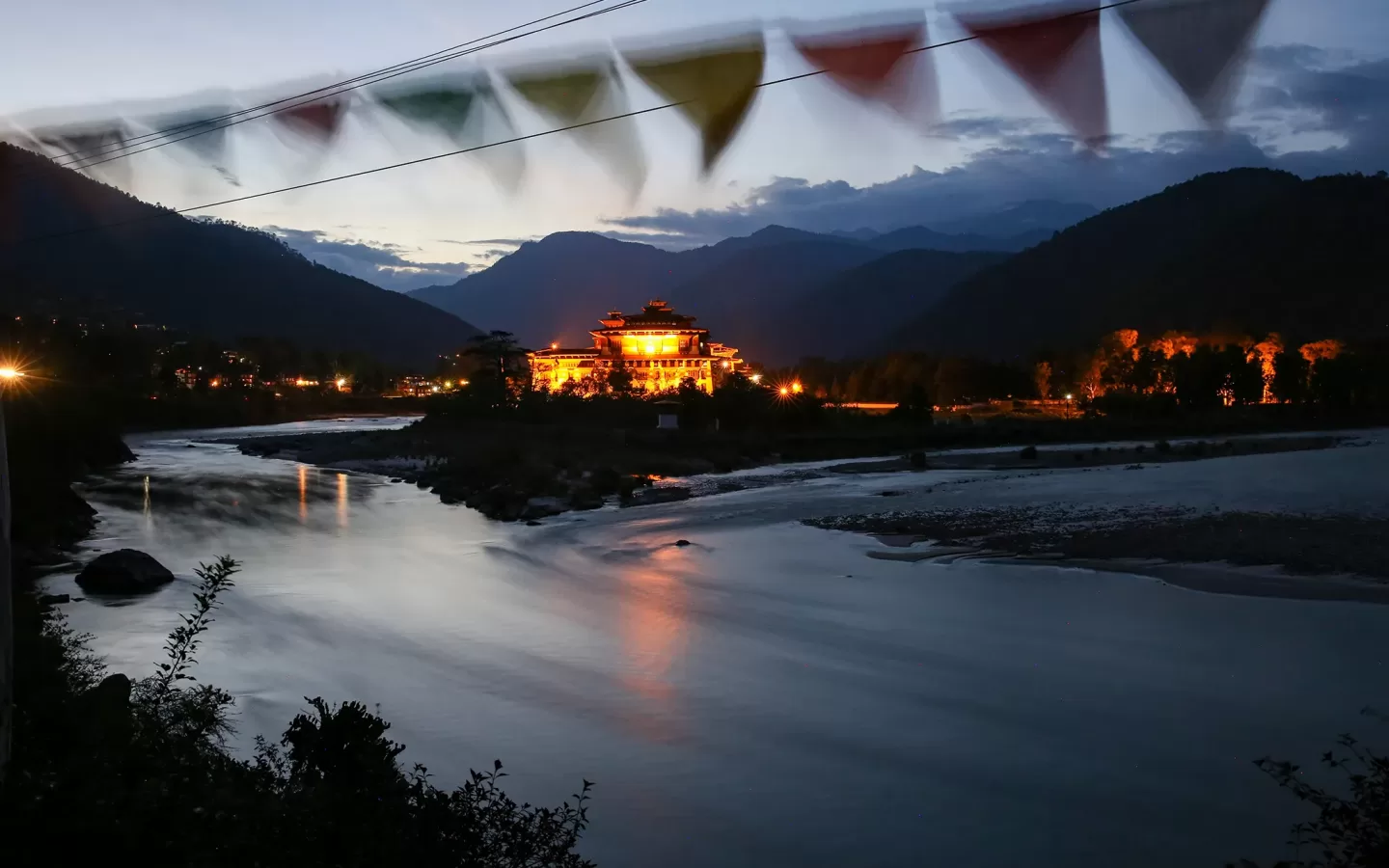
Sacred landscapes draw their power not merely from beauty or history, but from something intangible: the sense that certain places possess deeper meanings, guiding human spirituality for generations.
These terrains are sanctuaries, where physical space and spiritual presence intersect, inviting travellers not merely to visit but to understand.
Each journey we create into sacred landscapes balances exploration with introspection, respectful access with intimate local connections. Whether high in the Himalayas, walking quiet pilgrimage paths, or crossing Andean valleys, these travels offer not just insight into the beliefs of others, but reflection on one’s own place within a wider world.
Japan
Pilgrims’ Trails and Mountain Temples
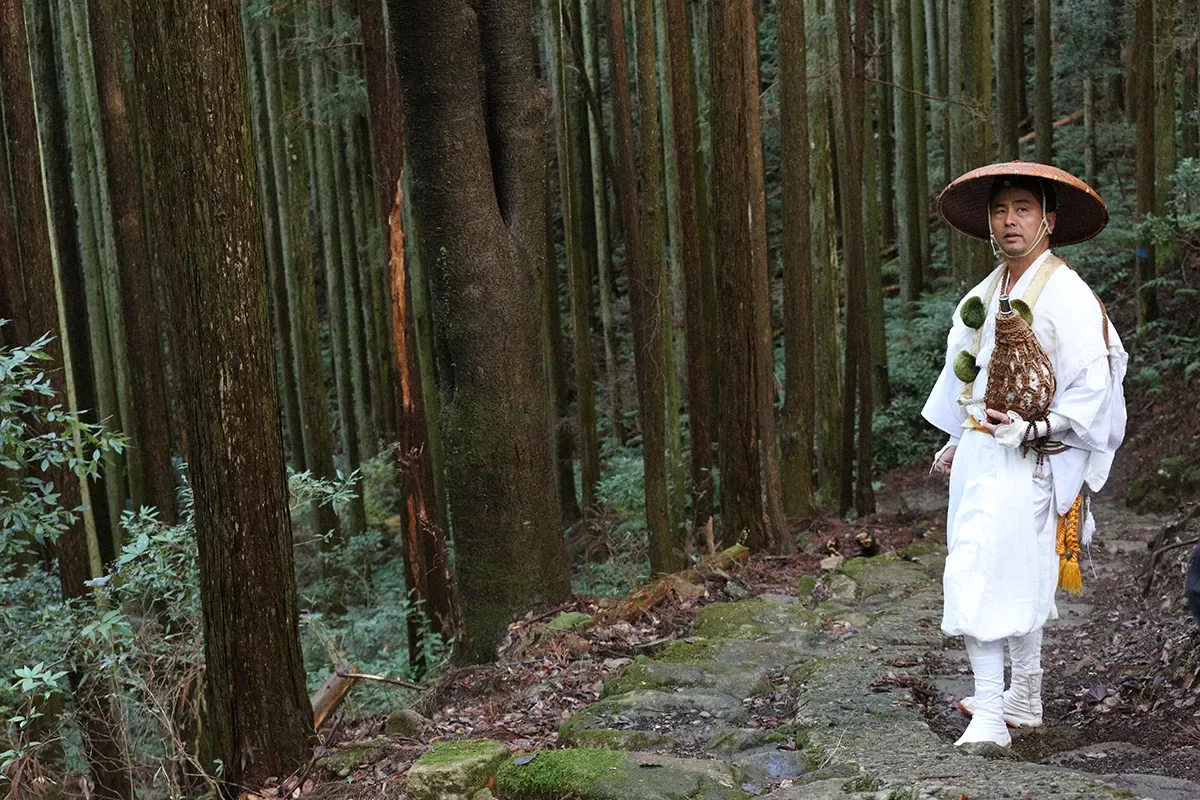
In Japan, spirituality often resides in nature. Mountains, forests, and rivers are inhabited by kami—Shinto deities who personify the landscape itself. Walk the ancient pilgrimage trails of Kumano Kodo or the sacred mountains around Mount Kōya, and you find yourself moving through spaces carefully mapped with spiritual meaning.

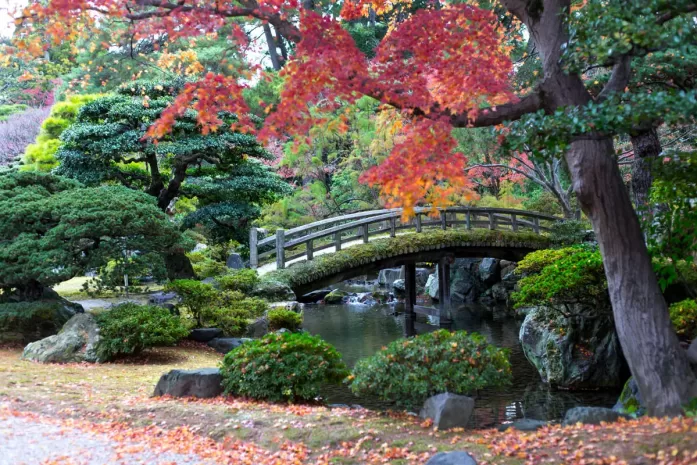
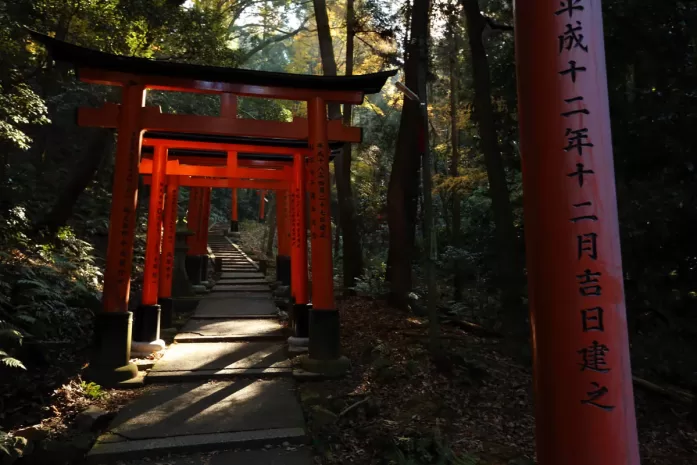
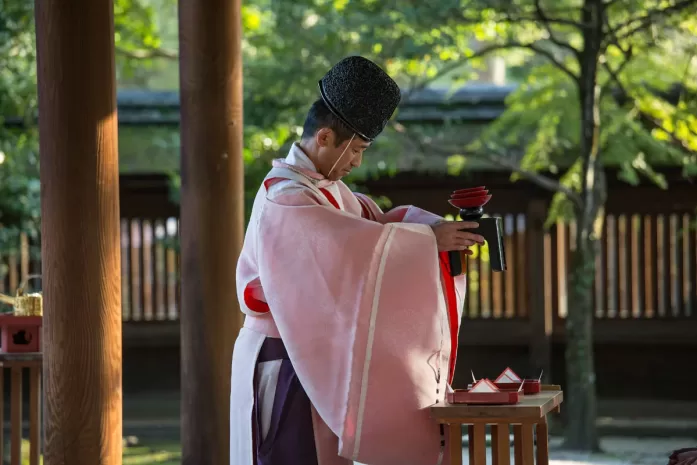
Accompanied by yamabushi—ascetic mountain priests whose practices date back over a thousand years—travellers can experience a form of spirituality defined by movement, silence, and presence.
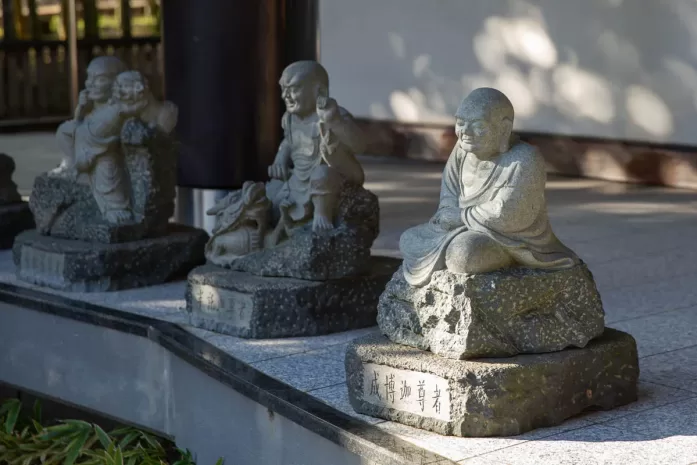
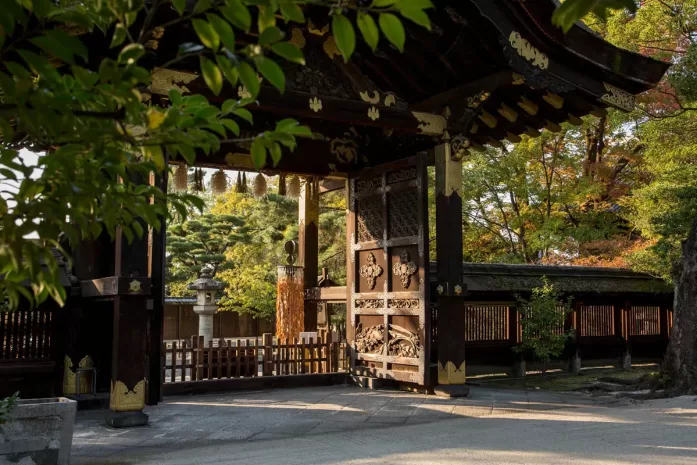
Embrace Zen principles by walking beneath giant cedars to hidden shrines, taking part in sunrise meditation ceremonies within secluded temples, or staying overnight in monastery guesthouses to experience the tranquil rituals of daily Buddhist life.
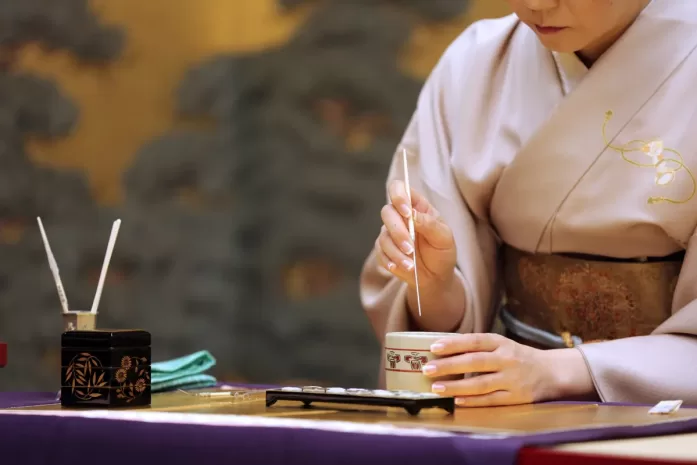
But the spiritual thread in Japan runs far beyond its temples and forests. Traditional practices such as tea ceremony, incense, flower arranging, and calligraphy also carry an embedded mindfulness—a quiet reverence for nature, form, and impermanence.
Rooted in Buddhist and Shinto worldviews, these arts are not overtly religious, yet each gesture becomes a meditation, each ritual a quiet dialogue between the material and the spiritual.

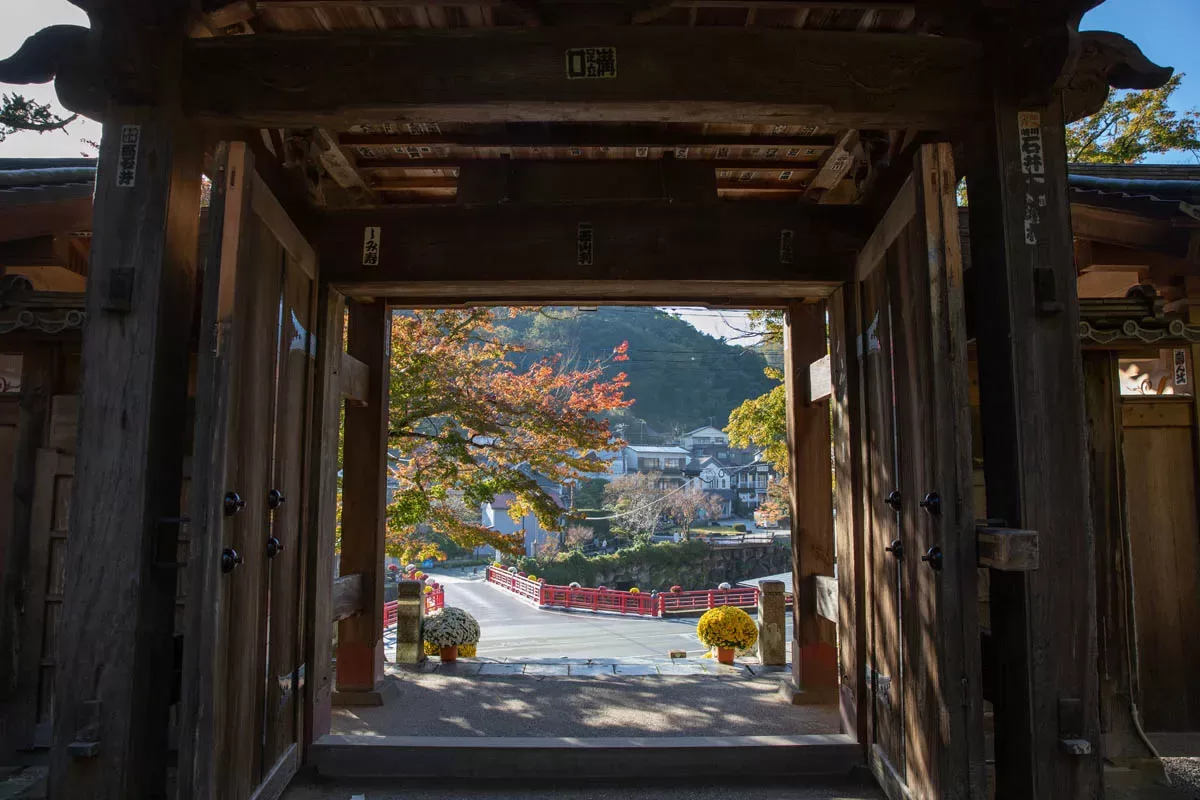
Private audiences with senior monks or priests can be arranged, offering insight into how spiritual life continues to evolve in modern Japan. Yet beyond teachings and trails, the deeper reward lies in quiet moments of reflection within landscapes and traditions that have long invited stillness, awareness, and respect.
Nepal & Bhutan
Himalayan Wisdom
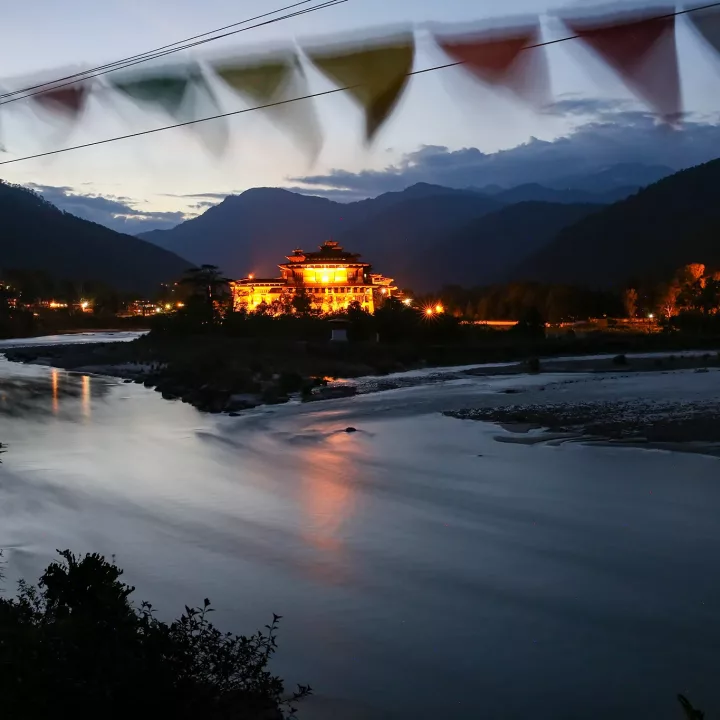
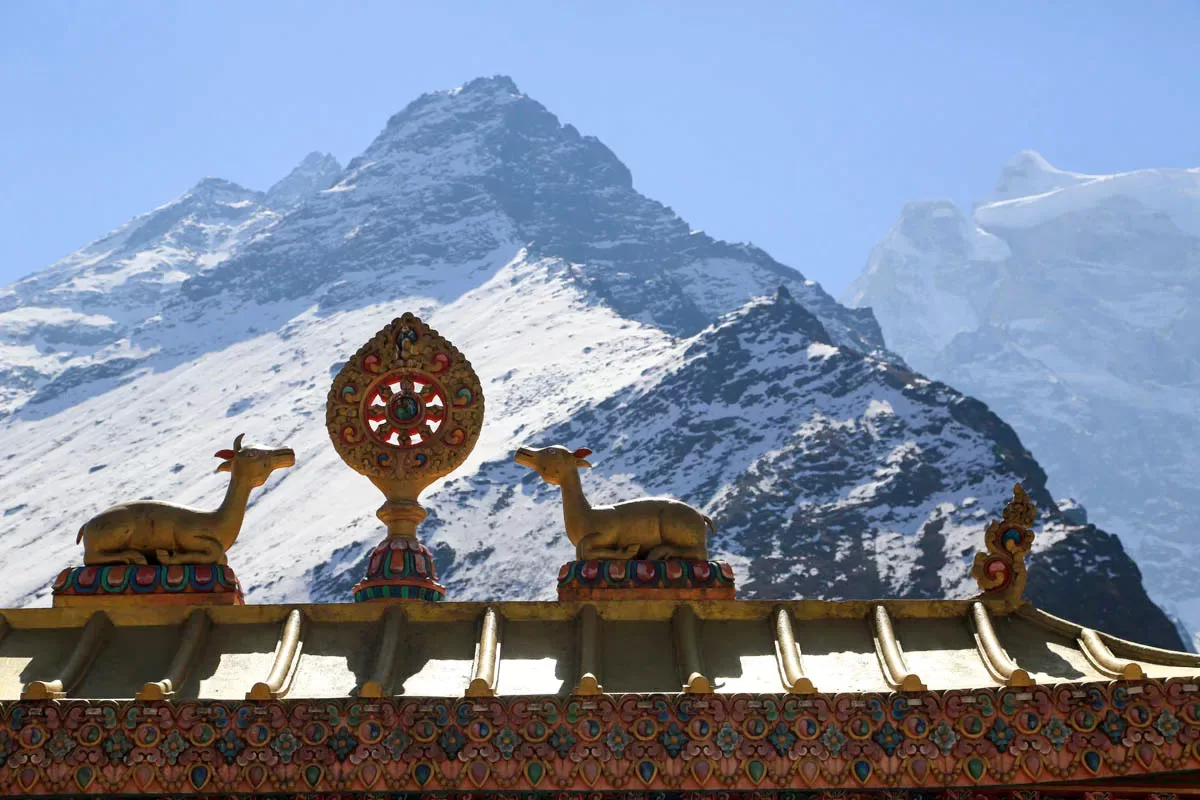
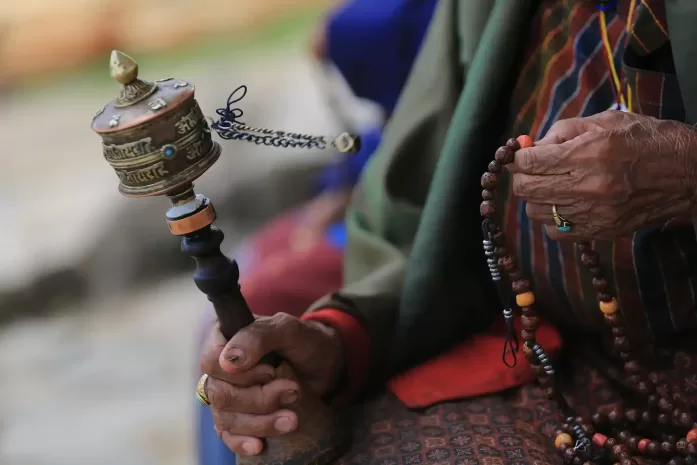
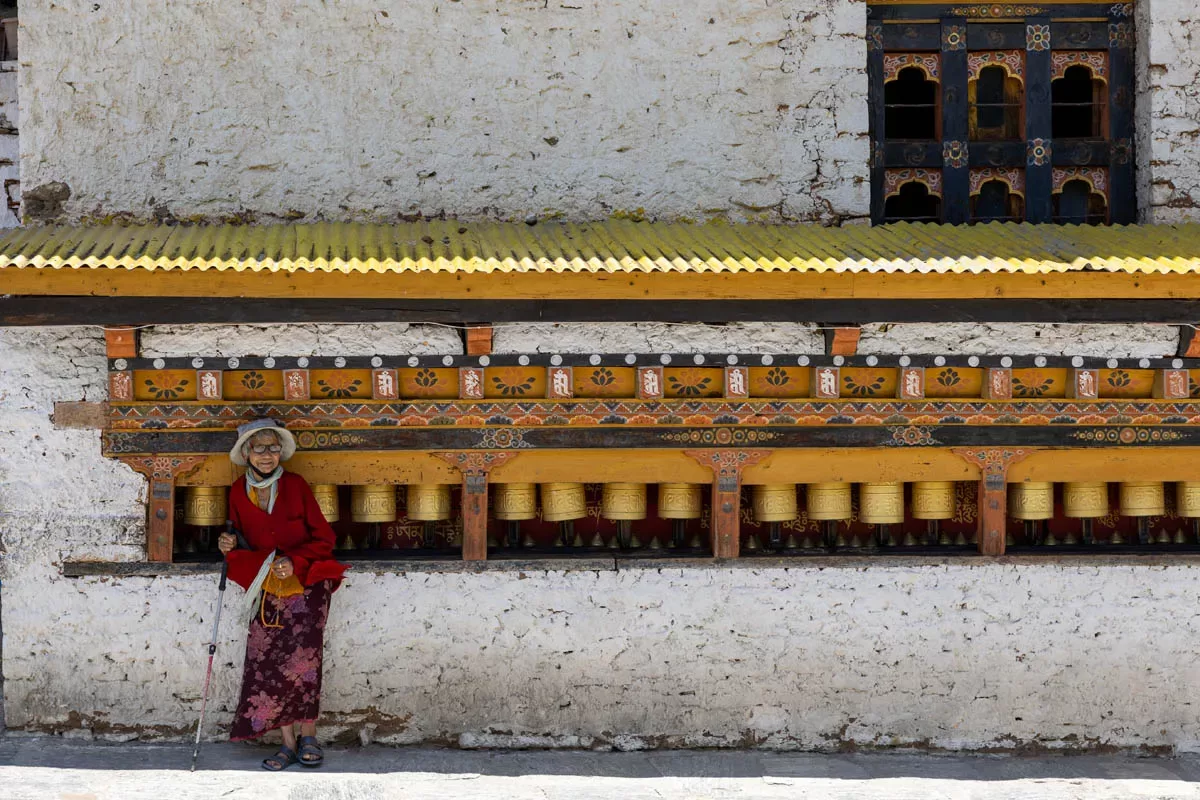
In the Himalayas, mountains hold spiritual significance as much as physical majesty. Landscapes in Nepal and Bhutan are not merely admired; they are venerated, embodied in legends, rituals, and daily practices.
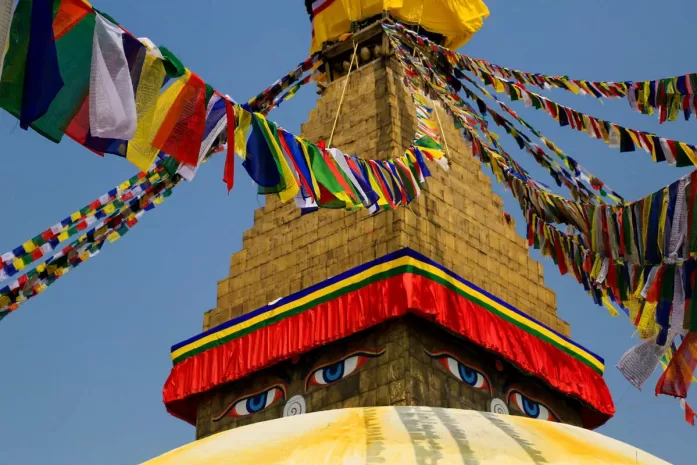
In Nepal, witness sunrise at Boudhanath Stupa, where hundreds of devotees circle in quiet devotion, chanting mantras beneath fluttering prayer flags. In the lesser-known corners of the Kathmandu Valley, small shrines tucked into narrow streets reveal how spirituality weaves through everyday life.
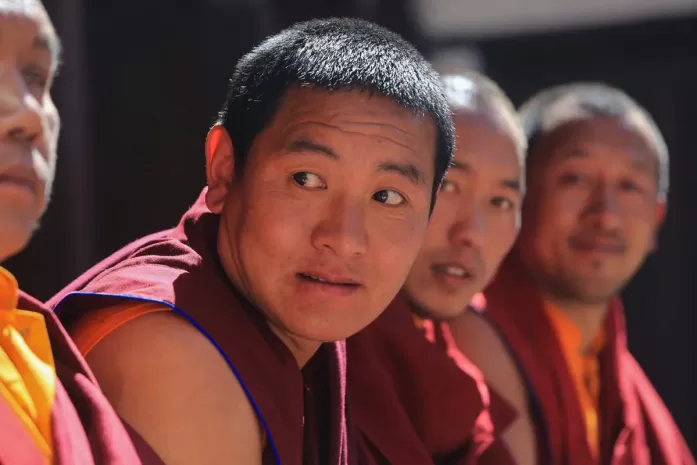
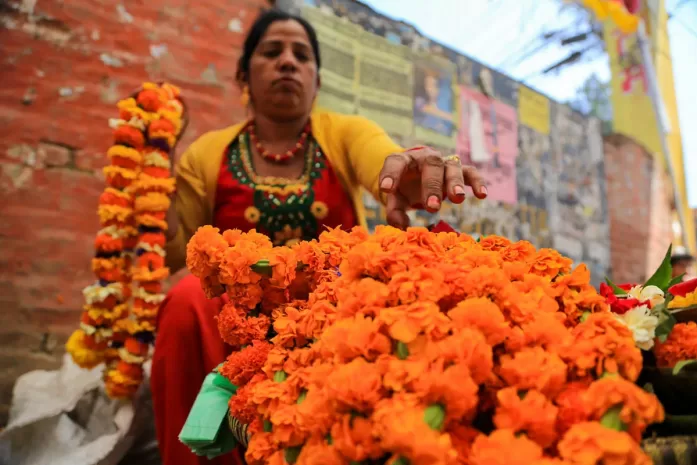
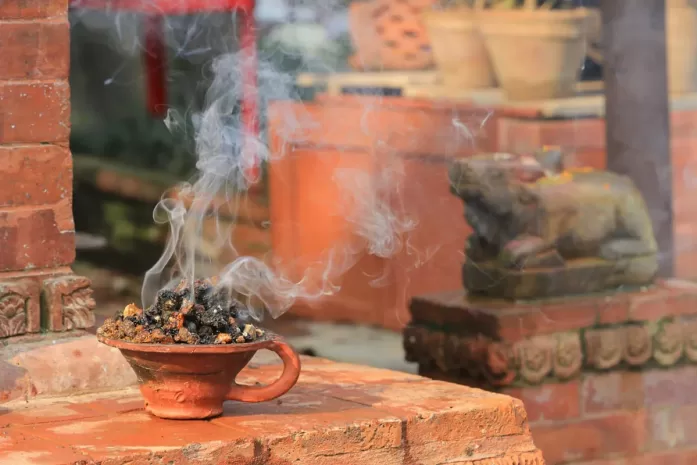
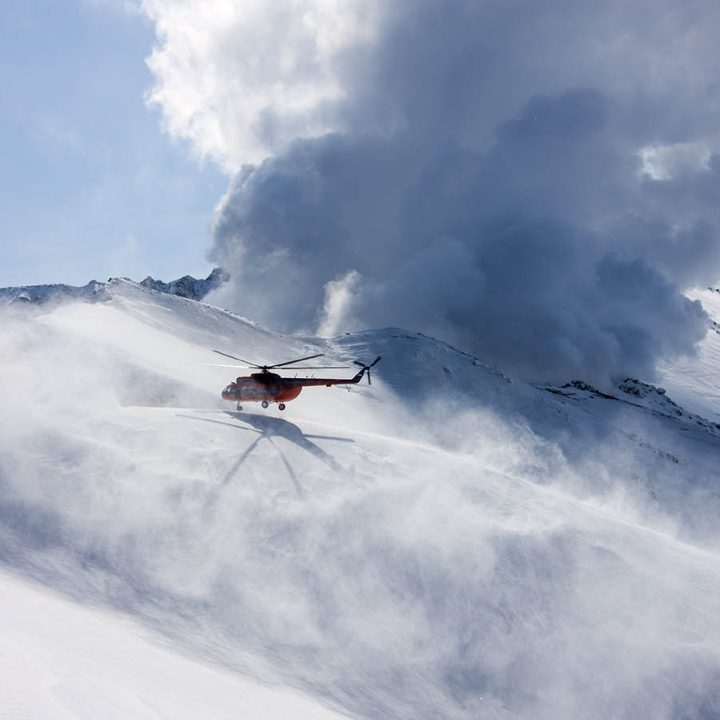
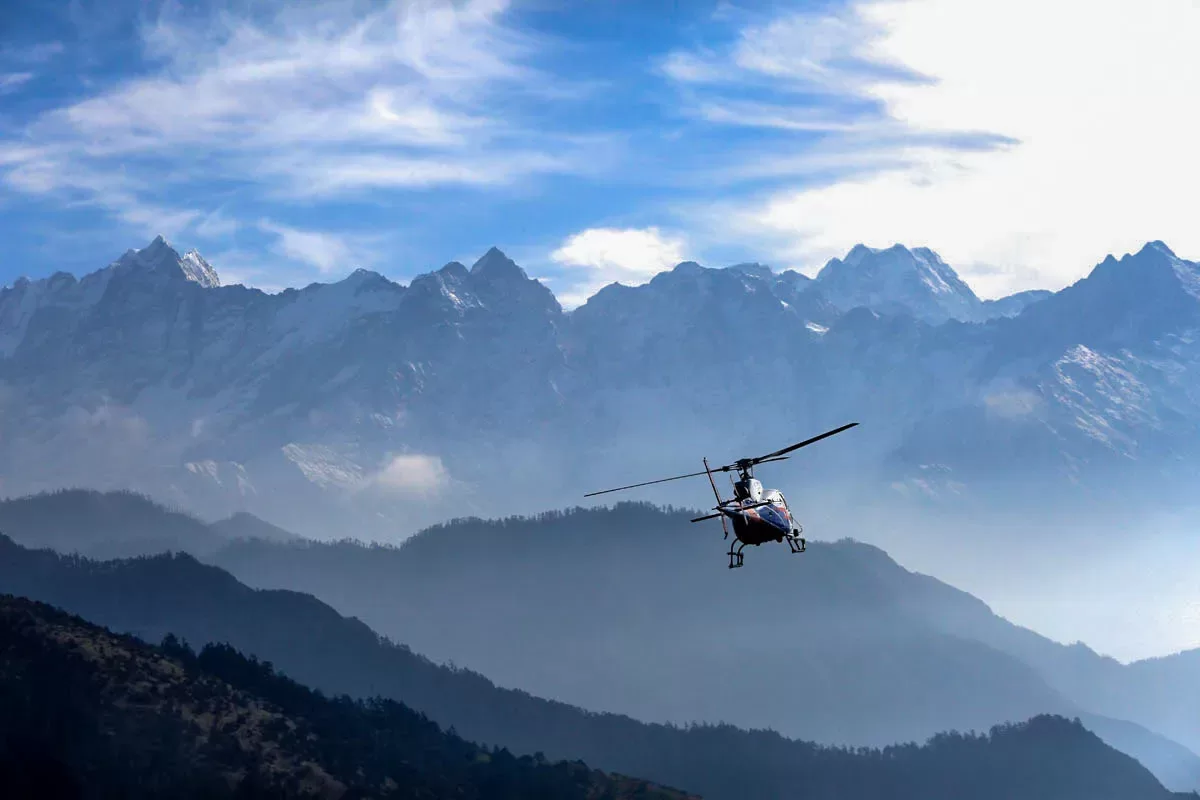
Privately meet monks, scholars, and local families to gain insight into traditions preserved across generations. Wellness and yoga retreats in tranquil ashrams offer space for reflection and restoration. For a sweeping perspective of the Himalayas’ sacred geometry, travel by private helicopter to remote monasteries or high-altitude lakes revered by local communities.
Touch down near hidden gompas, or pause for a mountaintop blessing ceremony, surrounded by snow-draped silence. These flights offer more than logistical access—they connect altitude with insight.
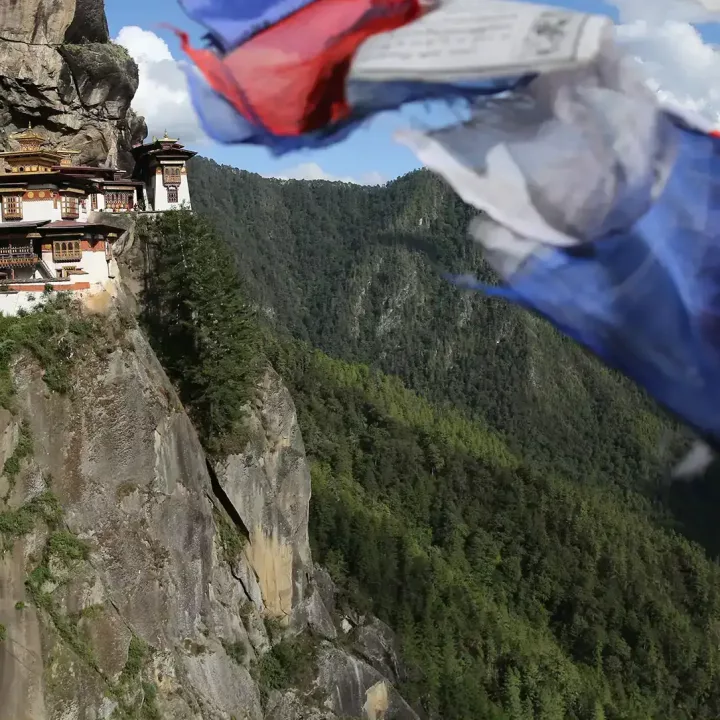
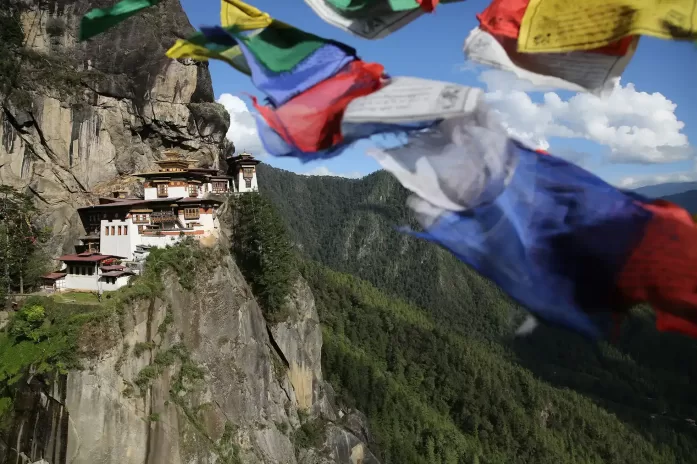
In Bhutan, spirituality shapes daily rhythm as much as belief. Pilgrimage trails wind through rice terraces and alpine forests to sacred monasteries such as Paro Taktsang, where the effort of the journey is part of the devotion. Each encounter is grounded in presence, with ceremonies and blessings becoming personal moments anchored in centuries-old Buddhist wisdom.
Further possibilities include a private puja with a Newar family in Bhaktapur or Patan, a Tibetan singing bowl sound healing session, a forest monastery meditation retreat at Namo Buddha, or a visit to a remote goemba for a personalised blessing or astrological consultation by a senior lama.
Peru
Sacred Valleys and Mountain Spirits
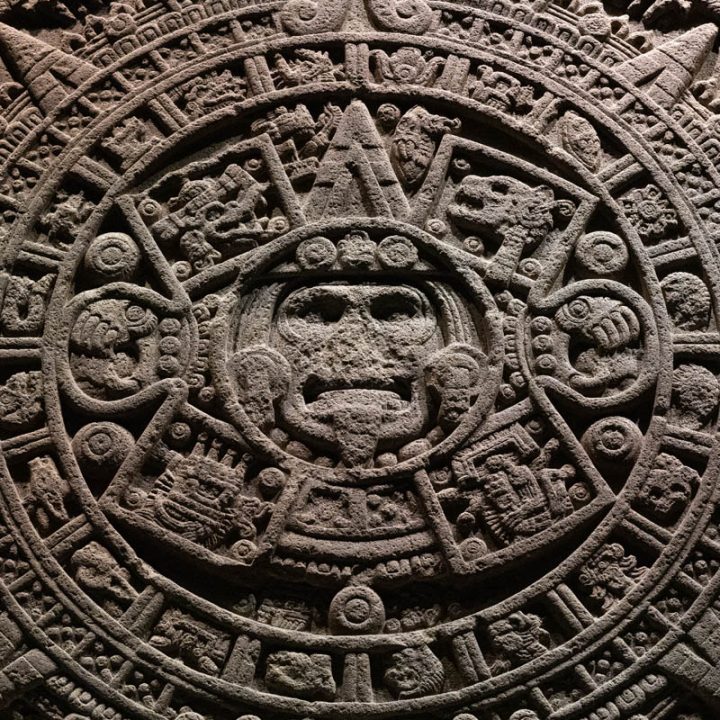
For Peru’s Andean cultures, spirituality is rooted in the belief that humans are not separate from nature, but part of a greater living system. Informed by the cosmology of the Inca—one of the most advanced civilisations of the ancient Americas—contemporary Andean worldviews continue to honour deities such as Inti (the Sun), Quilla (the Moon), and Pachamama (Mother Earth).
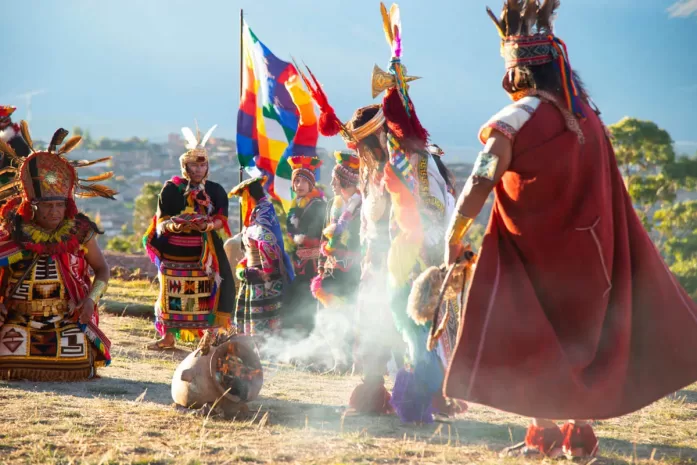
The Andes are home to apus, powerful mountain spirits believed to protect and guide those who live in their shadows. On a journey through the Sacred Valley with trusted Quechua guides and local shamans, take part in rituals of gratitude to Pachamama—ceremonies still held beside glacial lakes, ancient ruins, and high-altitude plateaus.
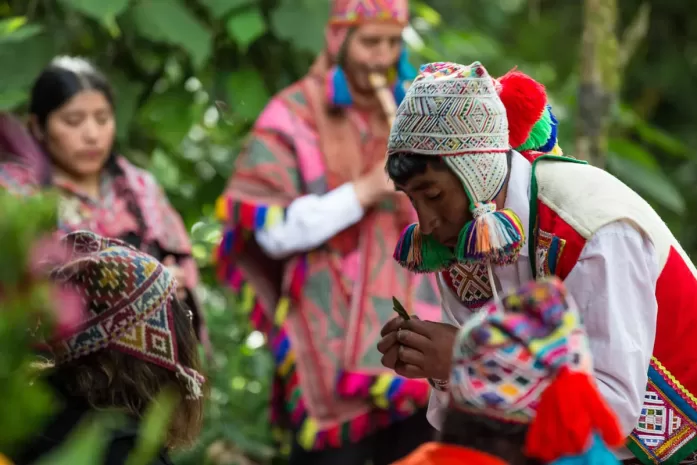
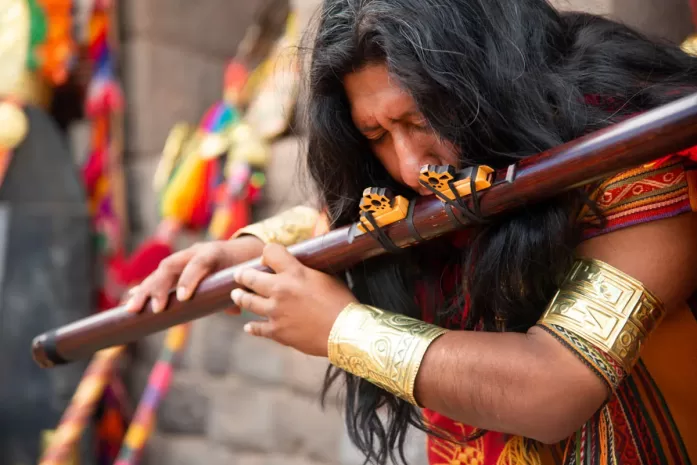
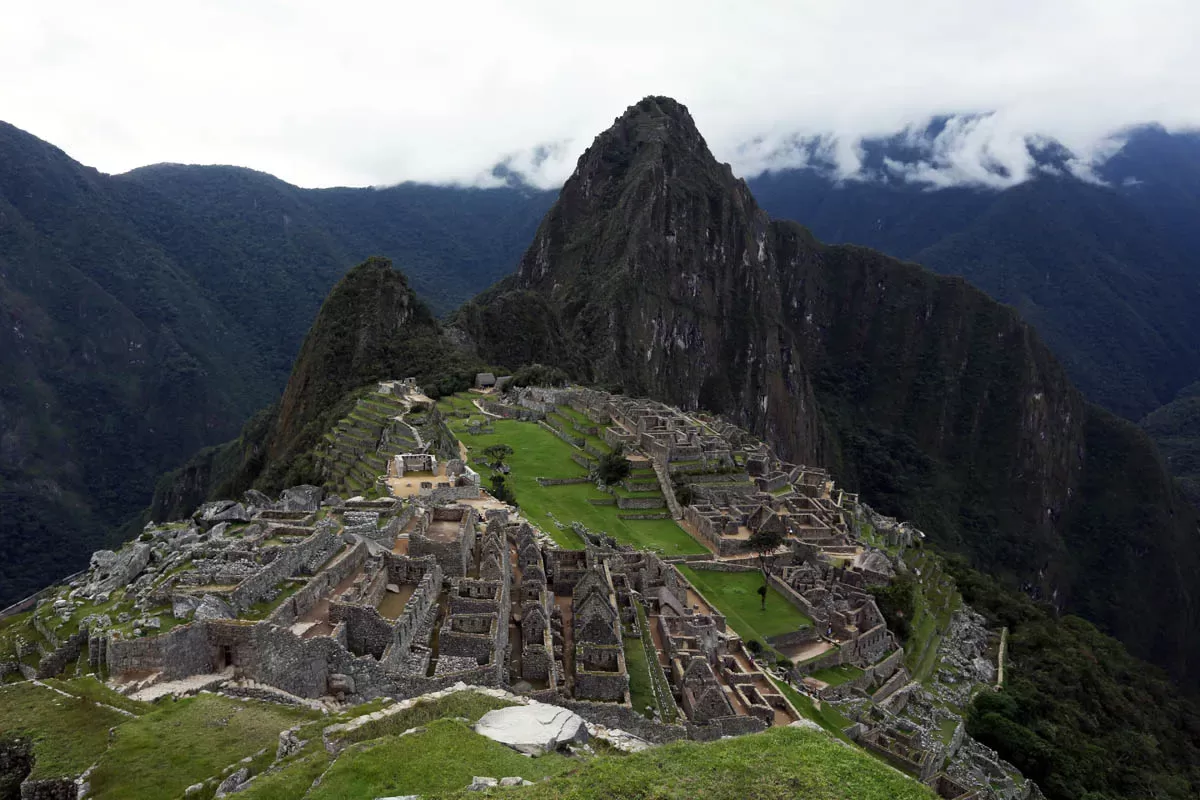
With pre-dawn access to Machu Picchu, or at lesser-known sites such as the stone fortress at Ollantaytambo or Chavín de Huántar—structures purposefully aligned with celestial events and seasonal cycles—guests are invited to join shaman-led ceremonies that honour the apus and offer blessings for clarity and renewal.
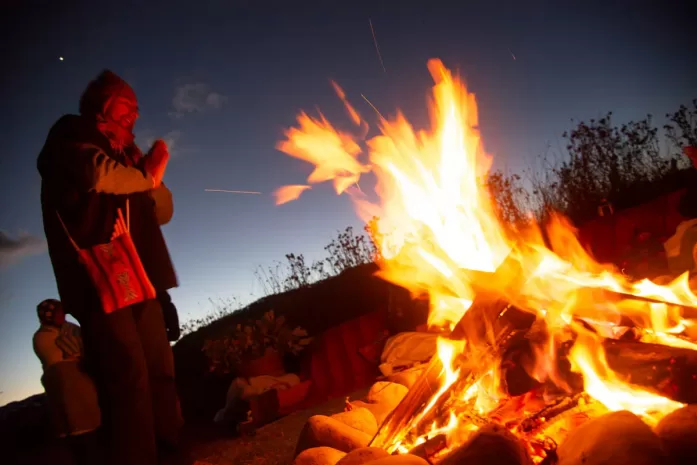
At a private wilderness camp, stories are shared by firelight: reflections on cosmology, world cycles, and the delicate balance between human life and the land that sustains it.
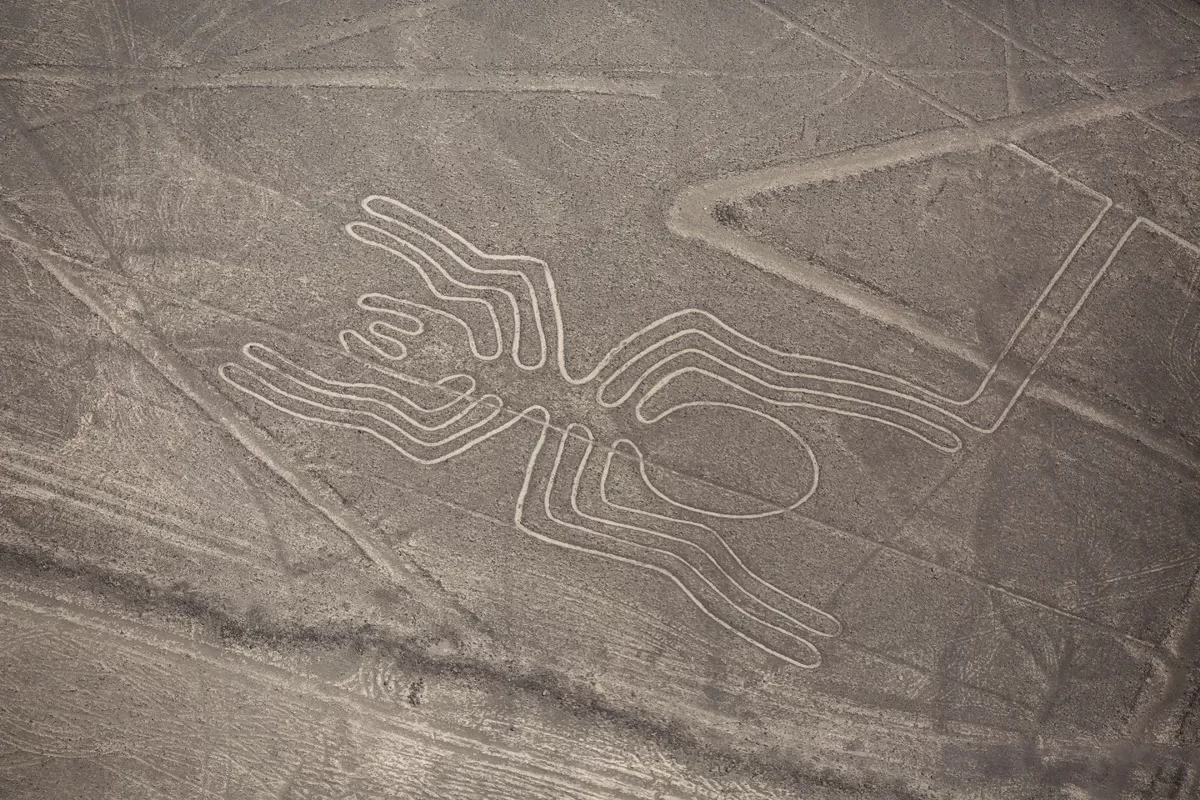
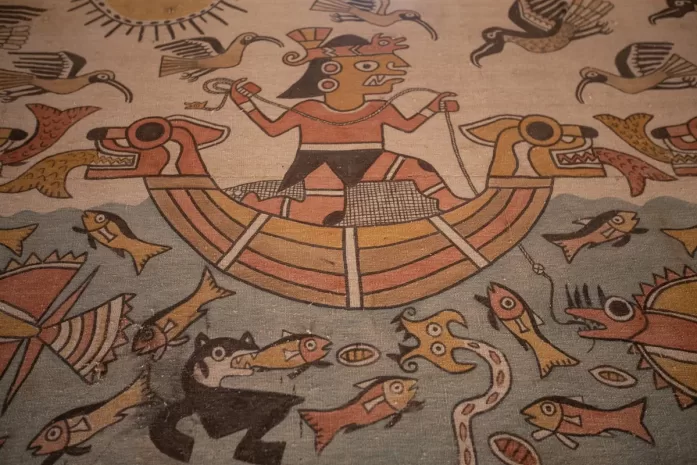
In the south, fly privately over the enigmatic Nazca Lines—vast geoglyphs carved into the desert over 1,500 years ago. Though their exact purpose remains a mystery, some theories suggest they aligned with astronomical events, while others view them as ceremonial pathways or offerings to deities in the sky.
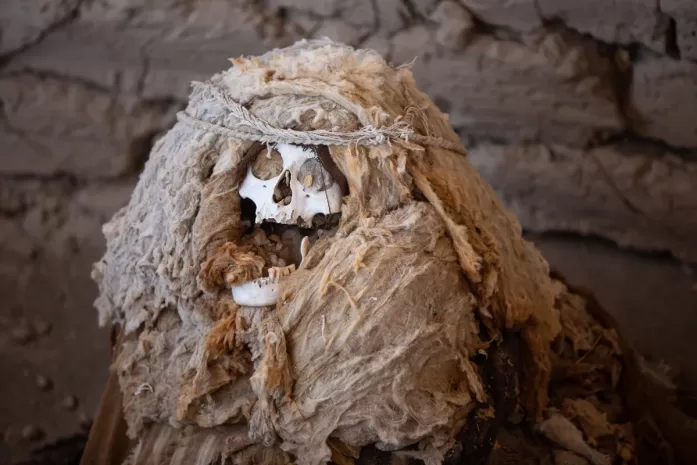
Nearby, at Chauchilla Cemetery, remarkably preserved mummies sit in open tombs. Their hair, garments, and burial positions offer a rare glimpse into ancient beliefs surrounding death and the soul’s passage—rituals designed to honour and sustain life beyond life.
To travel through these sacred landscapes is to witness a worldview shaped by reverence—for the land, the cosmos, and the enduring bonds between them.
For travellers who seek more than movement—for those drawn to meaning—these journeys offer rare access to places where spirituality still shapes daily life. Each path is designed in dialogue with the land and its custodians, ensuring every step remains respectful and deeply resonant.