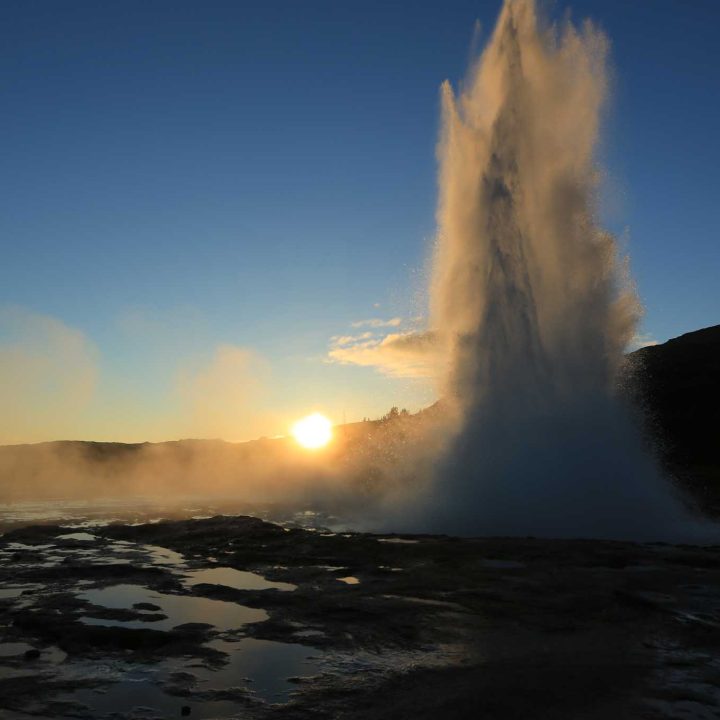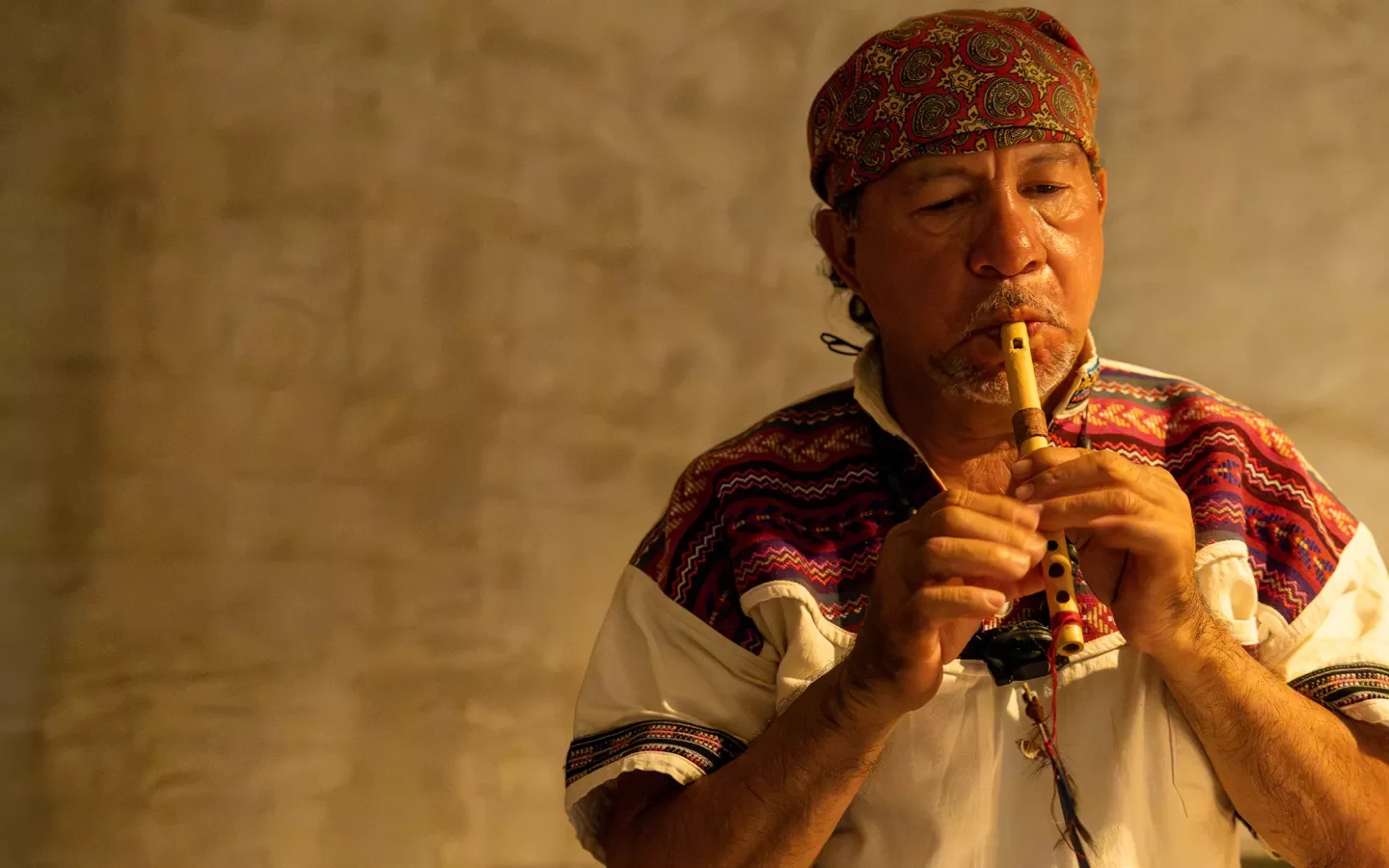
Music, in many parts of the world, isn’t just a performance. It is ritual and resistance. A way of explaining things that language doesn’t quite manage. A way for people to process memory, connection, loss, and identity.
For travellers who have a desire to understand a tradition from within, beyond concert halls and curated festivals, a rhythmic journey follows the pulse of a sound back to its source. Its makers, its spaces, its purpose.
Experienced within the right setting, music becomes a connection to something higher. A way into the culture itself. A deep, soulful and pure form of a people’s artistic expression.
Morocco
Rhythms and Rhymes
In Morocco, music is stitched into everyday life. Carrying weight, not only as entertainment, but as something functional. It is used to heal, to honour, to summon, to send off.
Gnawa musicians carry spiritual knowledge rooted in sub-Saharan traditions. Their trance-like music forms part of sacred rituals that use rhythm and repetition to connect with ancestral spirits.
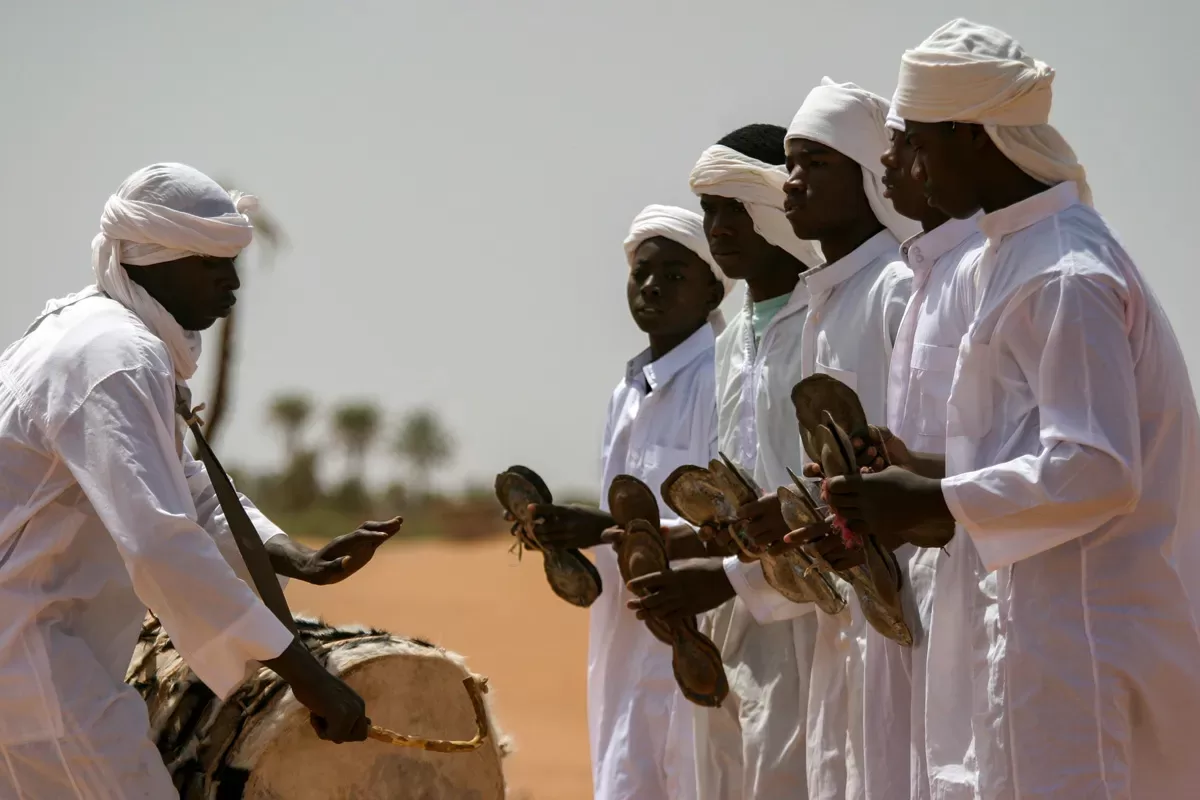
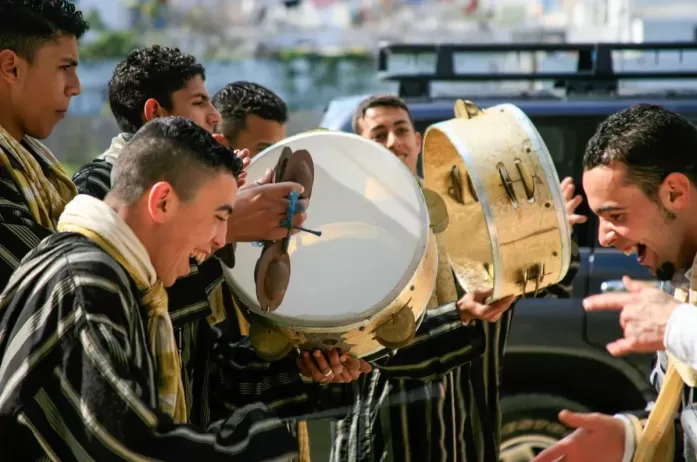
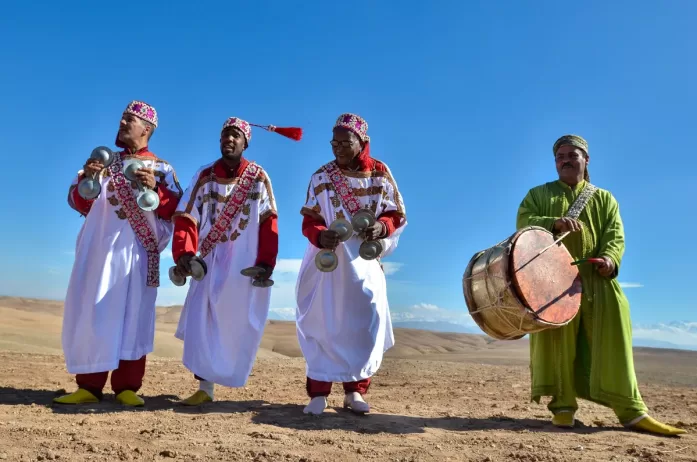
Across the country, spiritual music takes many forms. In Fez, immerse yourself in a private Sufi samāʿ ceremony within an ornate Zawiya, where repetition and breath are utilised to guide participants into a state of communion with the divine.
In the Sahara, nights are shaped by stargazing, storytelling, and the hypnotic sound of Desert Blues, performed by Tuareg musicians whose electric guitars echo the cadence of nomadic life.
In the Atlas Mountains, uncover the diverse styles of Amazigh music, which serve as a conduit for language, landscape, and continuity. Performed at seasonal gatherings and family rites, these songs are passed down as both expression and inheritance.
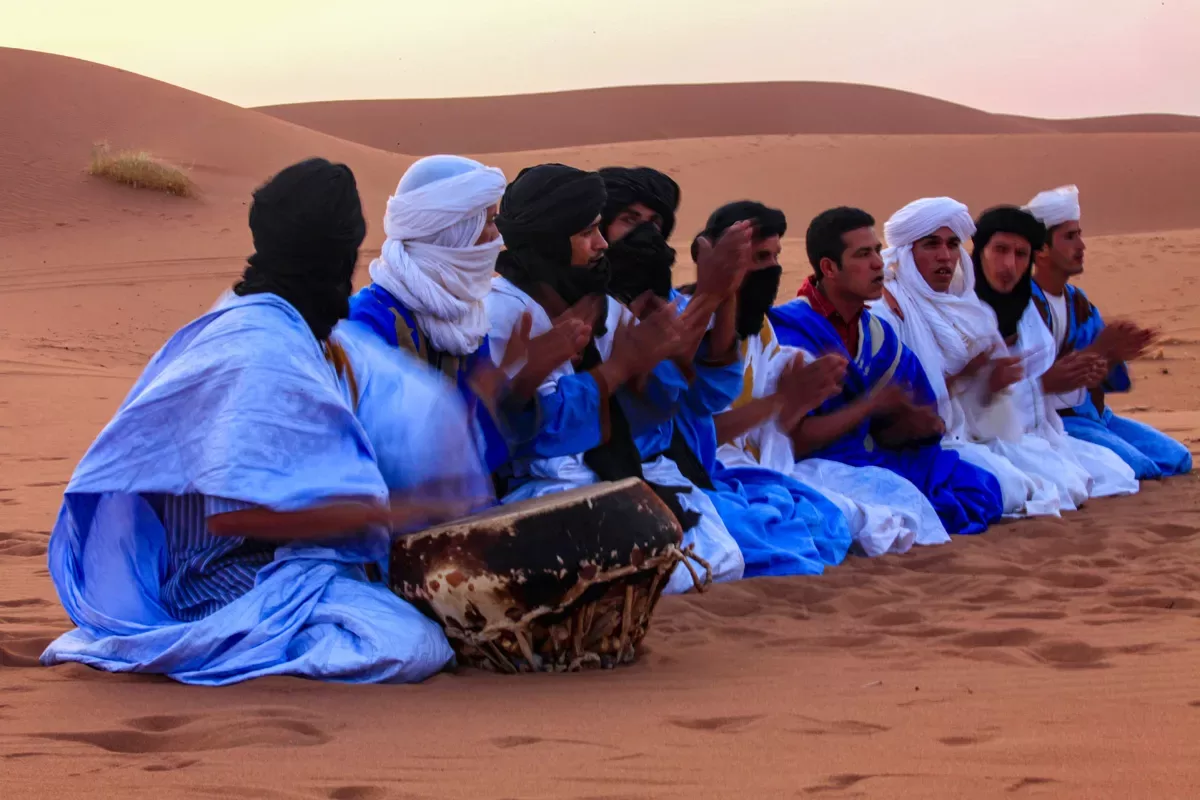
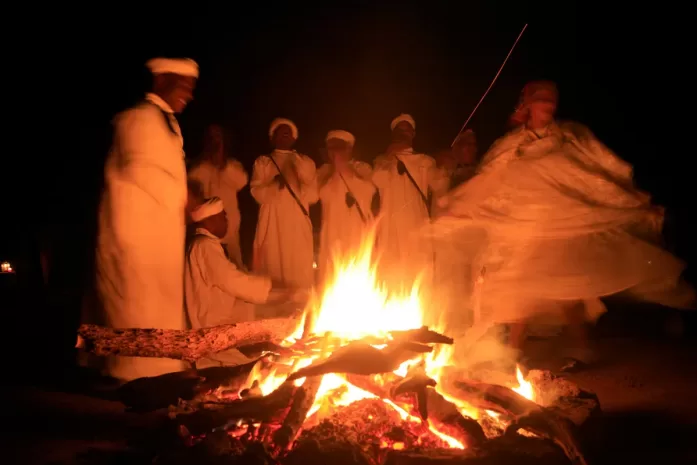
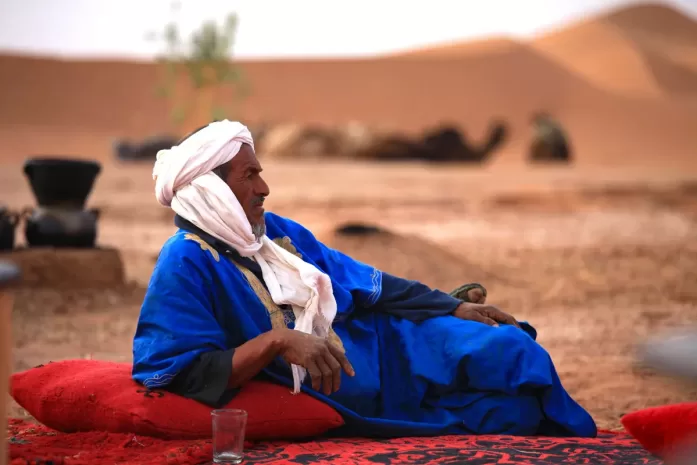
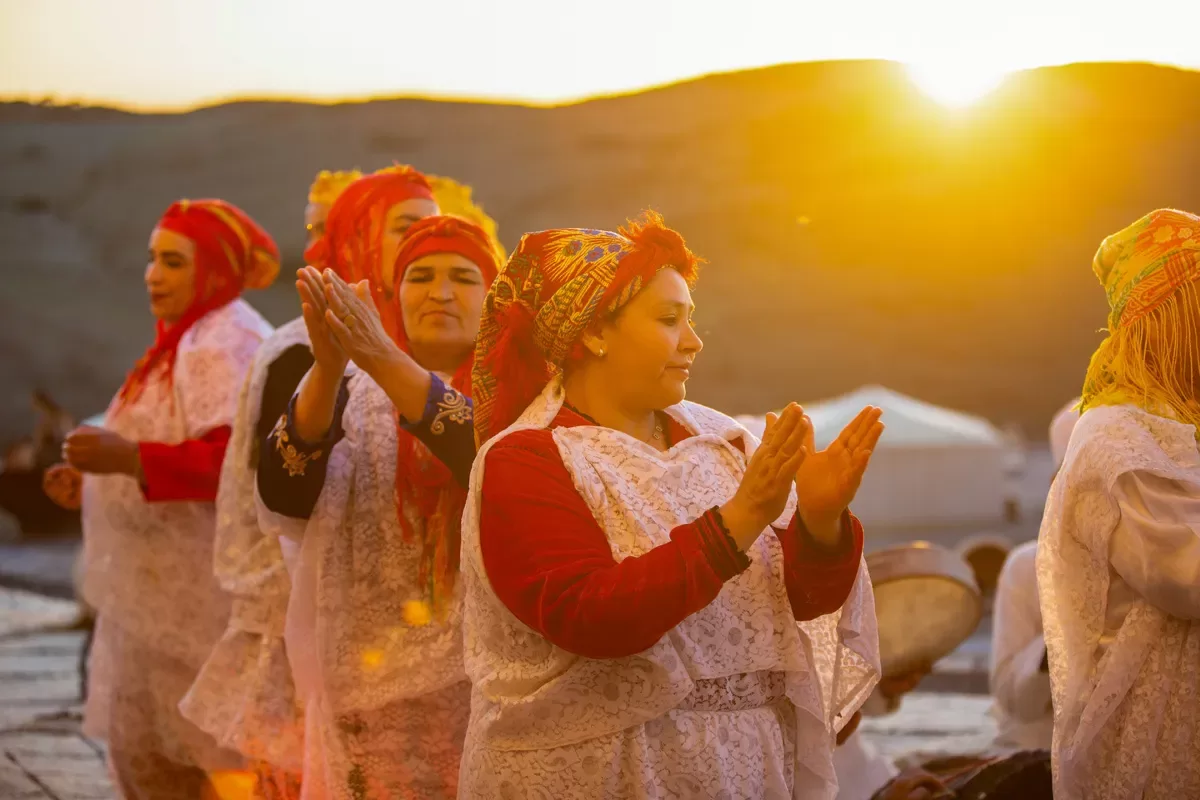
Together, these musical traditions form a living archive of Morocco’s cultural memory—adaptable yet deeply rooted. To witness them is to engage with a world where rhythm is not only an art, but a form of communication. Still shaping communal life, and still passed on through generations.
India
The Raga and the Ritual
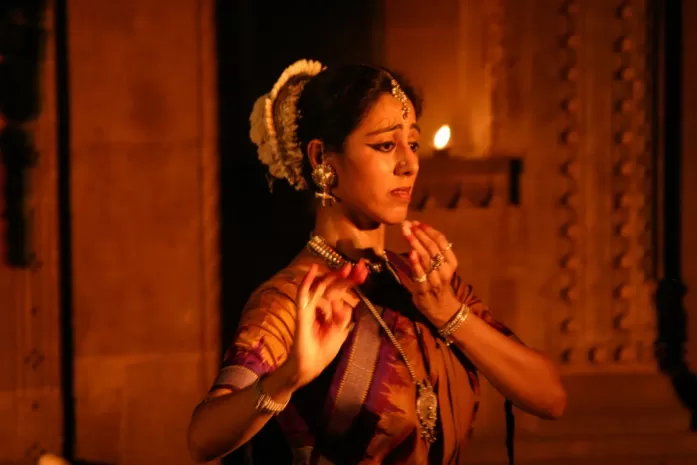
To join a musical gathering in India is to step into something layered, precise, and alive. These are traditions shaped by sacred texts, courtly patronage, and oral instruction, where sound is treated not simply as performance, but as a medium of the divine.
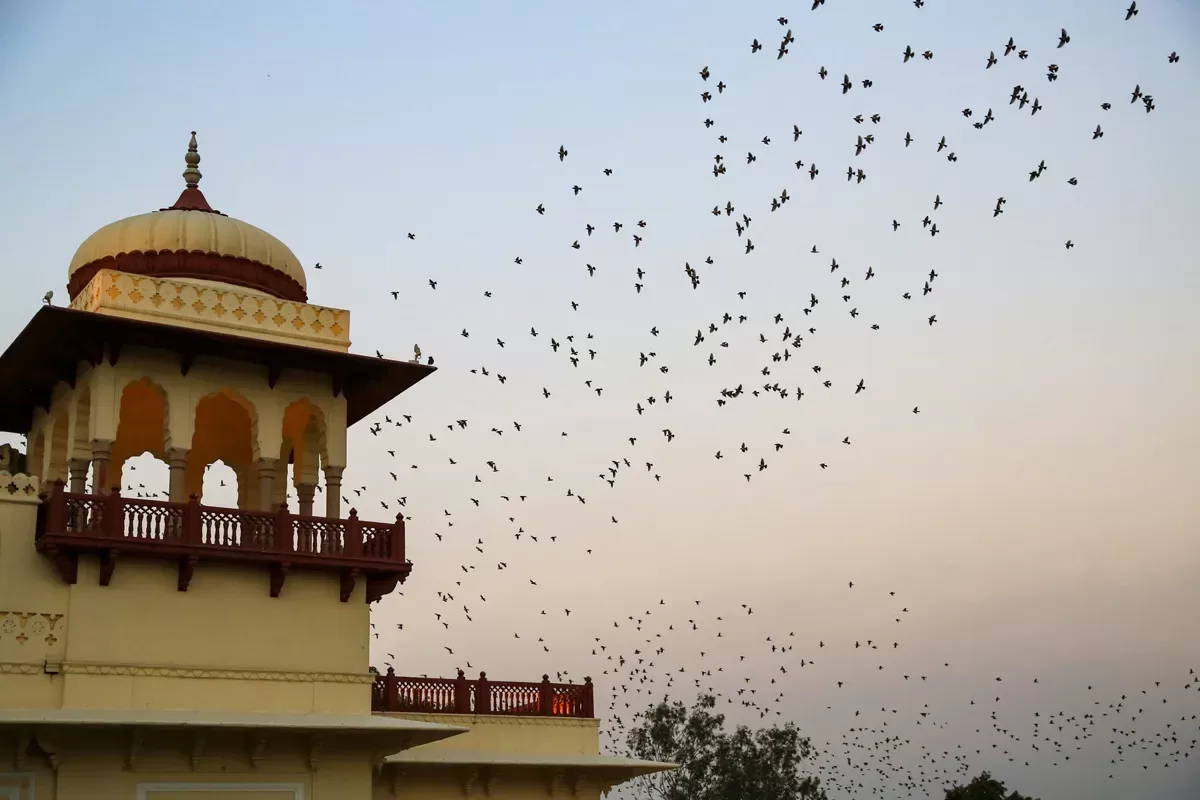
As privileged guests of one of the Great Maharajahs, find yourself in a palace courtyard at dusk, welcomed with a raga chosen for its hour or emotional weight. Each note is improvised within a centuries-old framework, guided by the exchange between performer and listener.
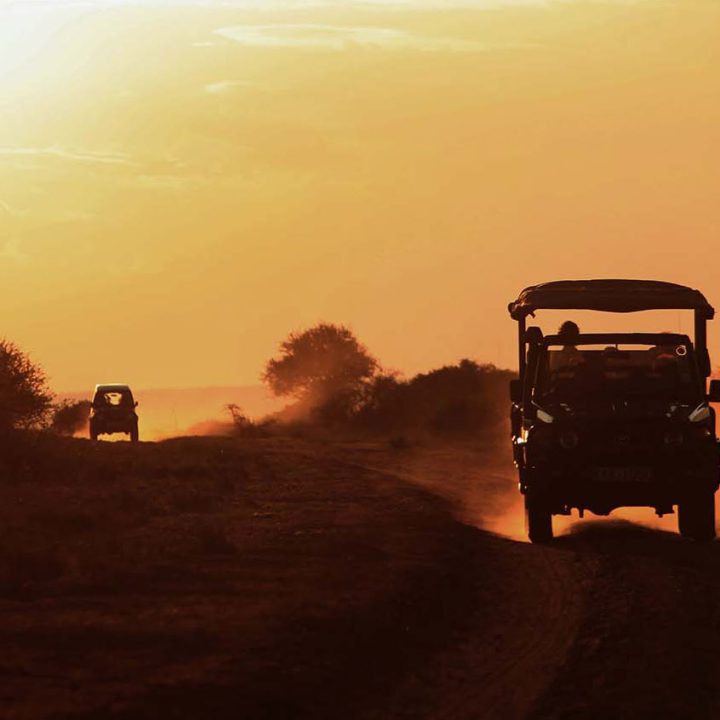
In Rajasthan, the rhythm of the day includes tracking Bengal tigers, exploring the beautiful countryside by jeep, bicycle, or horseback, and private dining under the stars within the courtyard of an ancient fort.
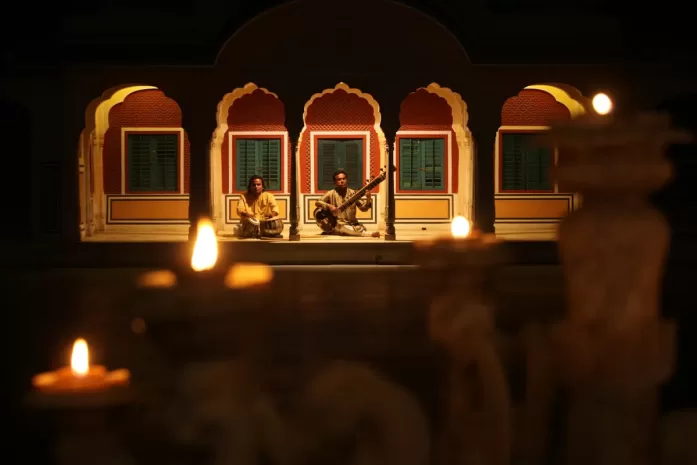
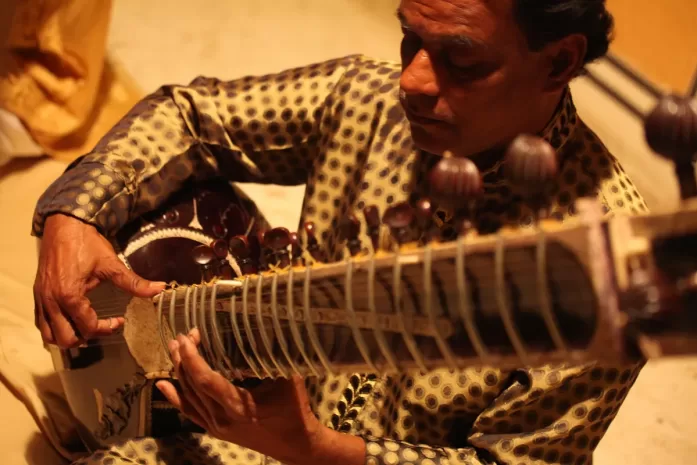

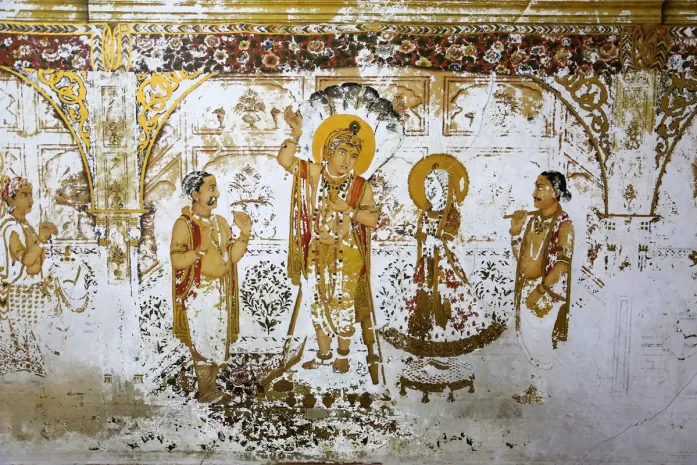
Evenings bring another kind of immersion. Folk musicians—often from the same families who have performed for generations—play songs tied to local rituals, festivals, and oral histories.
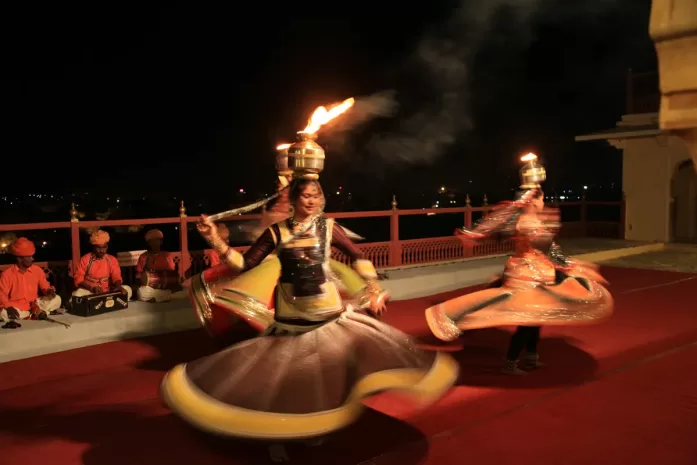
The dholak and harmonium provide the foundation; the kamaicha adds its rasp. Dancers move with practised ease. Bhavai artists spin with flaming pots balanced on their heads, the movement elegant and exact.
For travellers drawn to the deeper architecture of sound, India displays not just tradition, but a living system of music that is still unfolding.
Colombia
Echoes from the Earth to the Coast
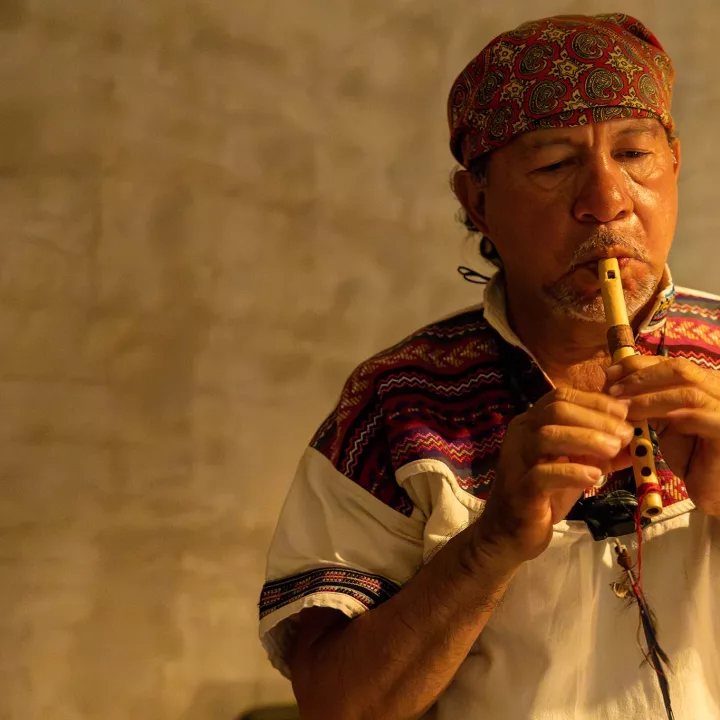
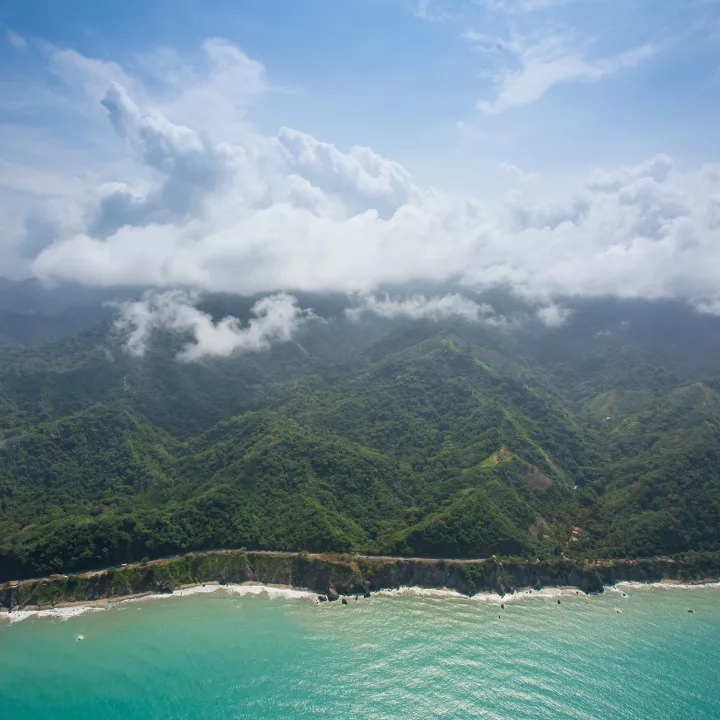
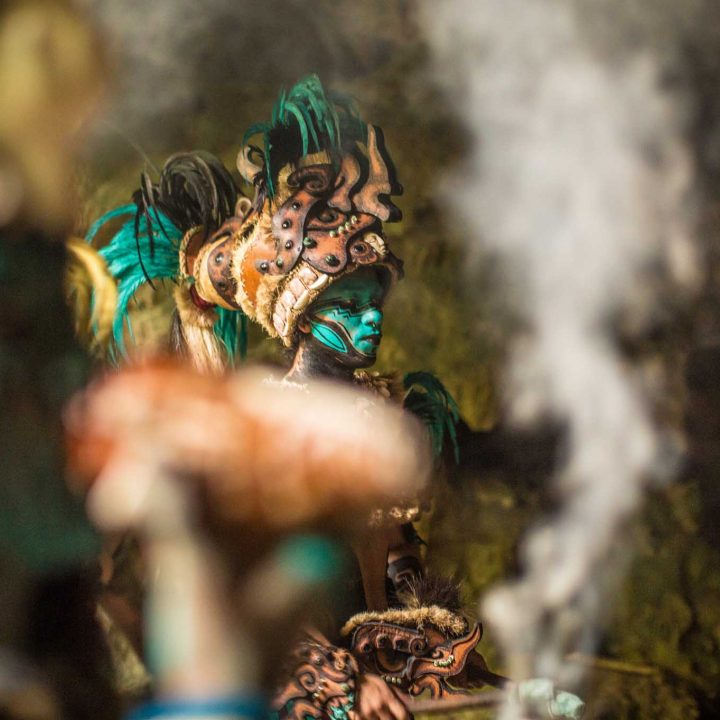
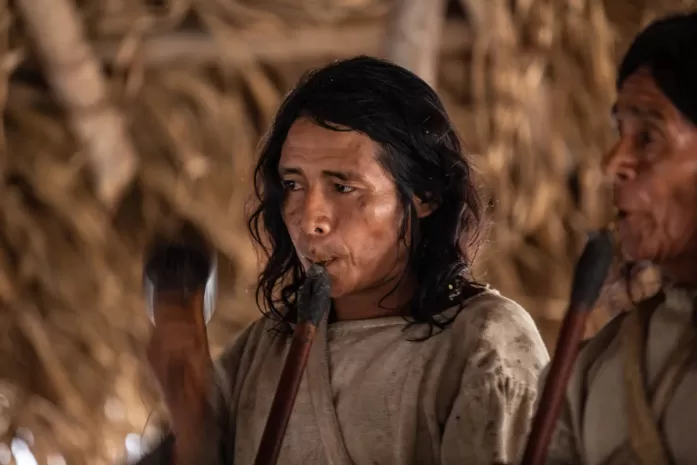
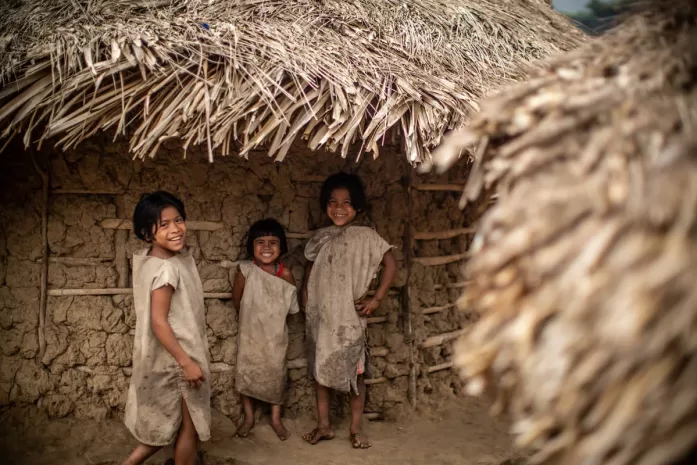
Colombia’s musical traditions are layered, rhythmic, and rooted in the diverse identities of the country’s people. In the northern highlands, Indigenous communities preserve ceremonial forms of music that honour land and lineage. Rituals that are shaped as much by intention as by melody.
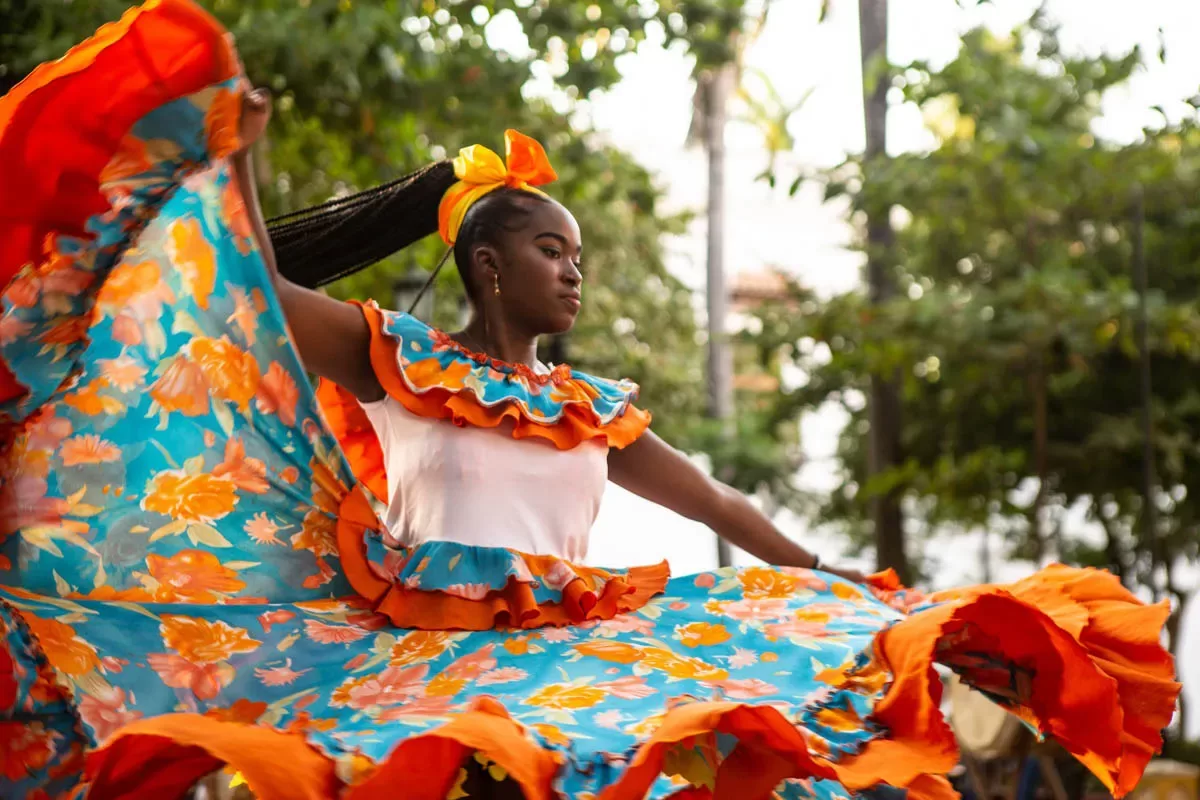
Along the Caribbean coast, the energy shifts. Afro-Colombian rhythms take the lead, where drum-led genres such as bullerengue and mapalé pulse through the streets.
Drums are central: the tambora for its bass, the alegre for its syncopation, the llamador for its calls. Voices rise over layered percussion, sharing stories of resistance, love, and daily life.
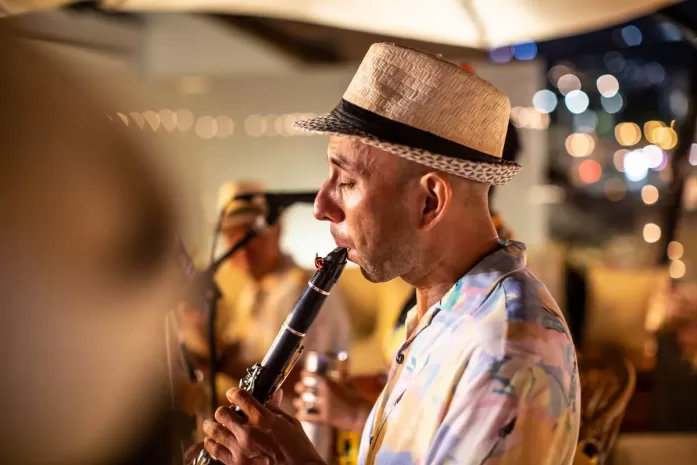
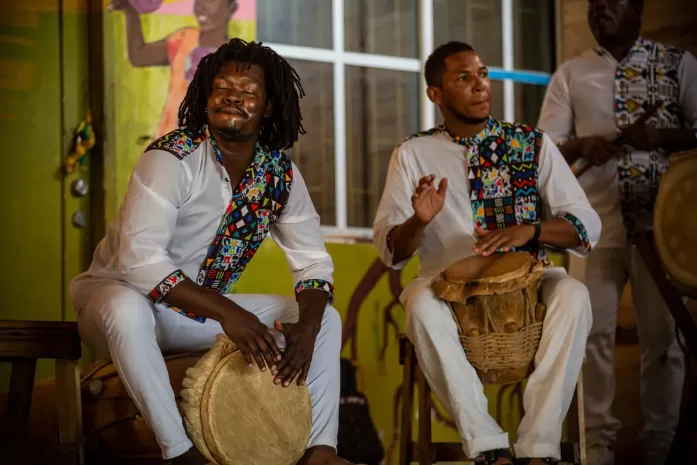
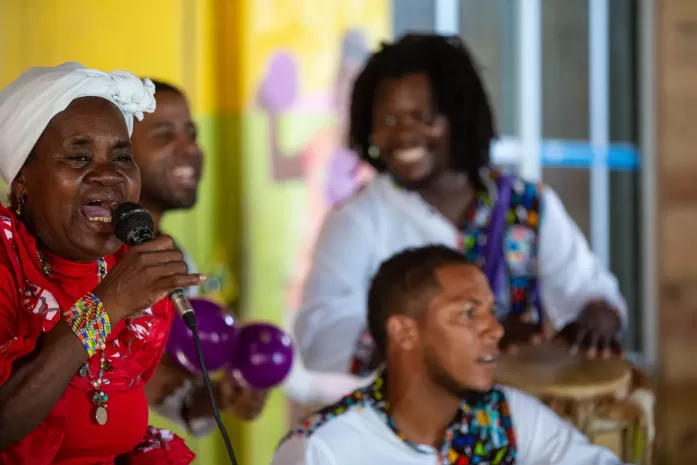
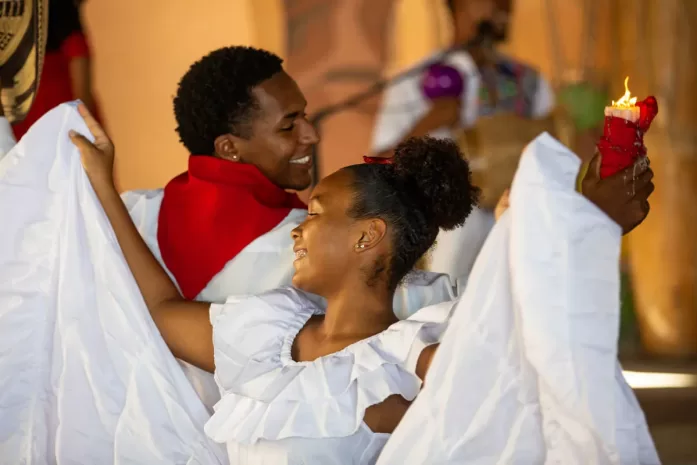
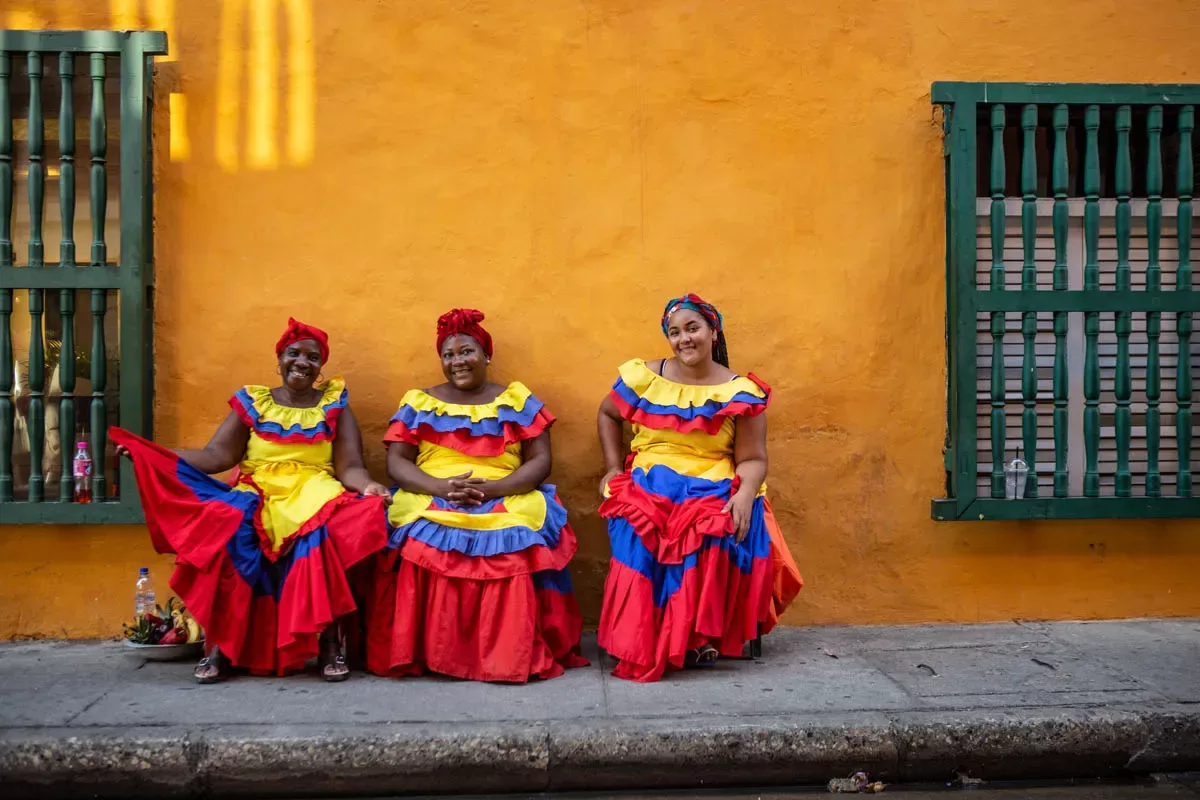
Across Colombia, music flows between mountains and coast, ceremony and celebration. These are not separate worlds, but expressions on the same continuum.
Travel between them is immersive, and with the right introductions, these displays are no longer performances; they become something deeply personal: intimate, powerful, and profoundly alive.
Mongolia
The Silence Between Notes
Across Mongolia’s wide-open steppe, music echoes the landscape—raw, elemental, and expansive. It moves with the rhythm of the herders, the changing seasons, and the arc of oral tradition.
In the country’s west, khöömei (throat singing) allows a single voice to layer multiple tones at once, mimicking the sounds of the natural world: wind against rock, a river’s current, the cry of distant birds. Intricate in technique yet ancient in instinct, it reflects a deep attunement to the environment.
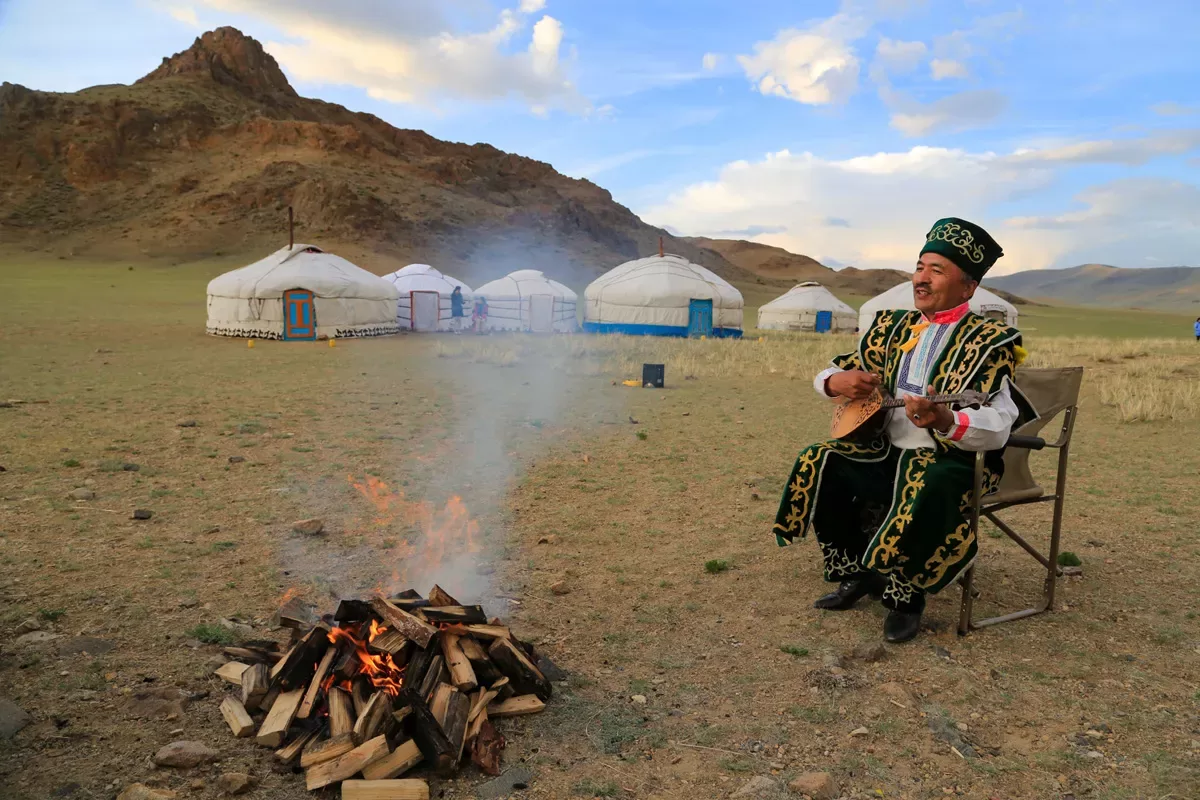
Equally iconic is the morin khuur, Mongolia’s national instrument. Two strings stretch across a wooden body and long neck, ending in a carved horse head—a symbol of the enduring bond between humans and horses on these plains.
The morin khuur is often played solo, though it can accompany folk songs (urtiin duu), mythical tales, dances, and ceremonies, many of which centre on equestrian life.
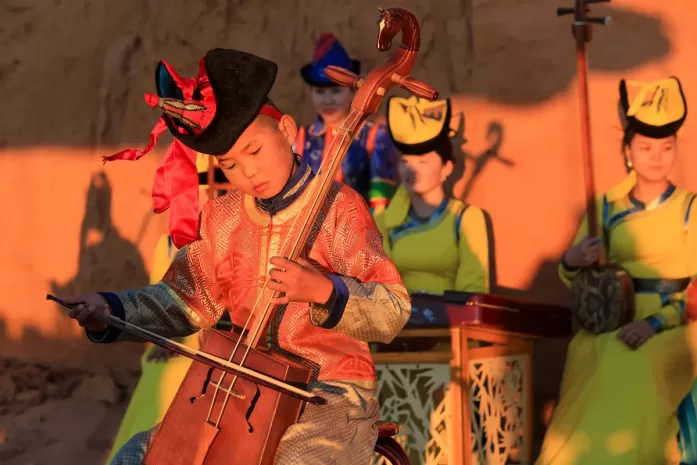
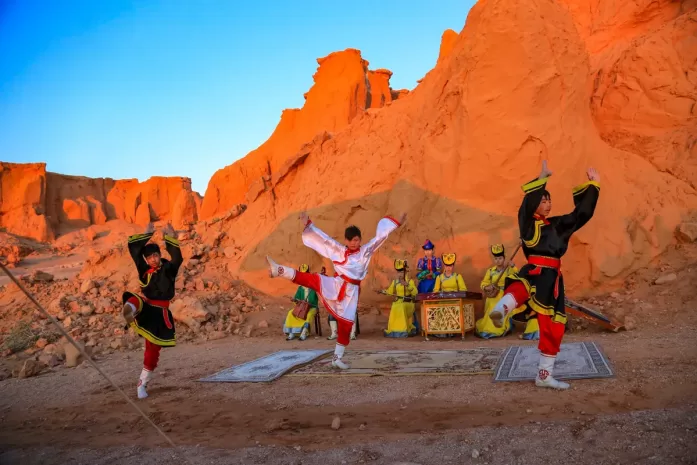
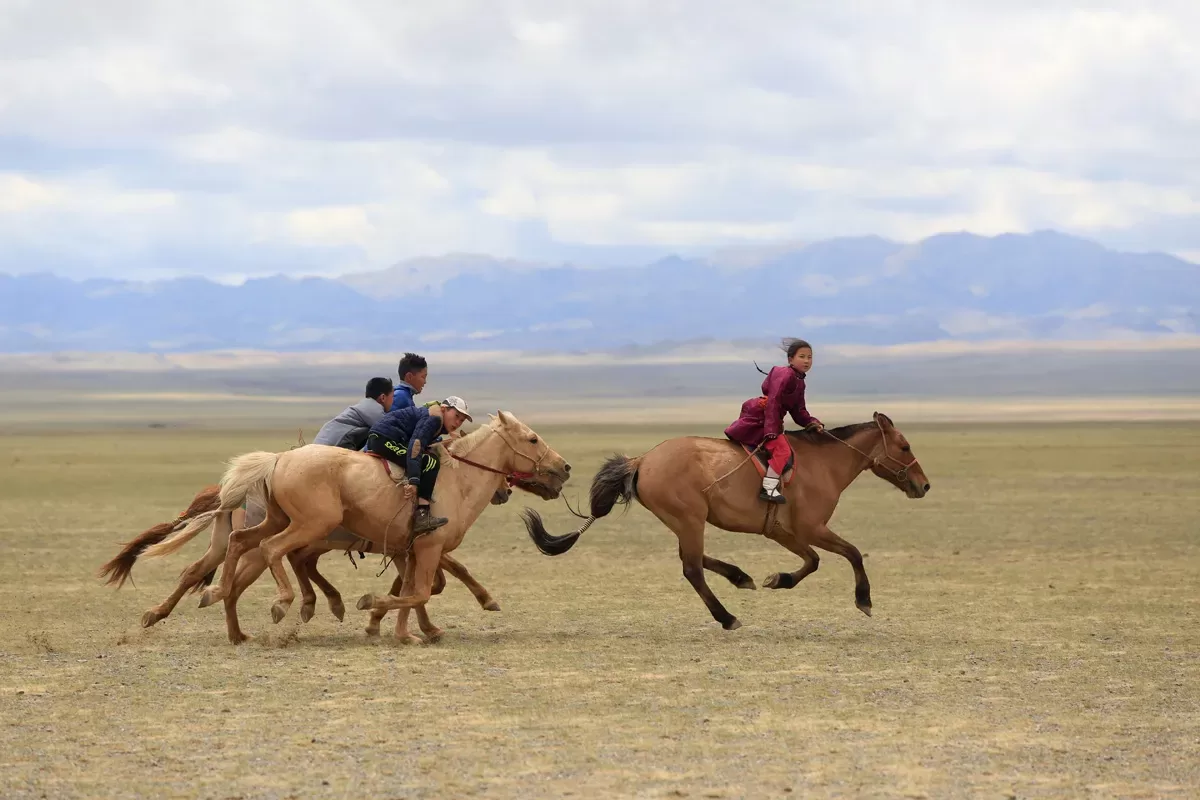
Time spent with Mongolia’s nomadic families offers a glimpse into a way of life shaped by movement and resilience. A culture of open landscapes and expression, where stories aren’t just told but passed on through sound. In a world rapidly shifting, these musical traditions remain a living thread, connecting people to place and past to present.
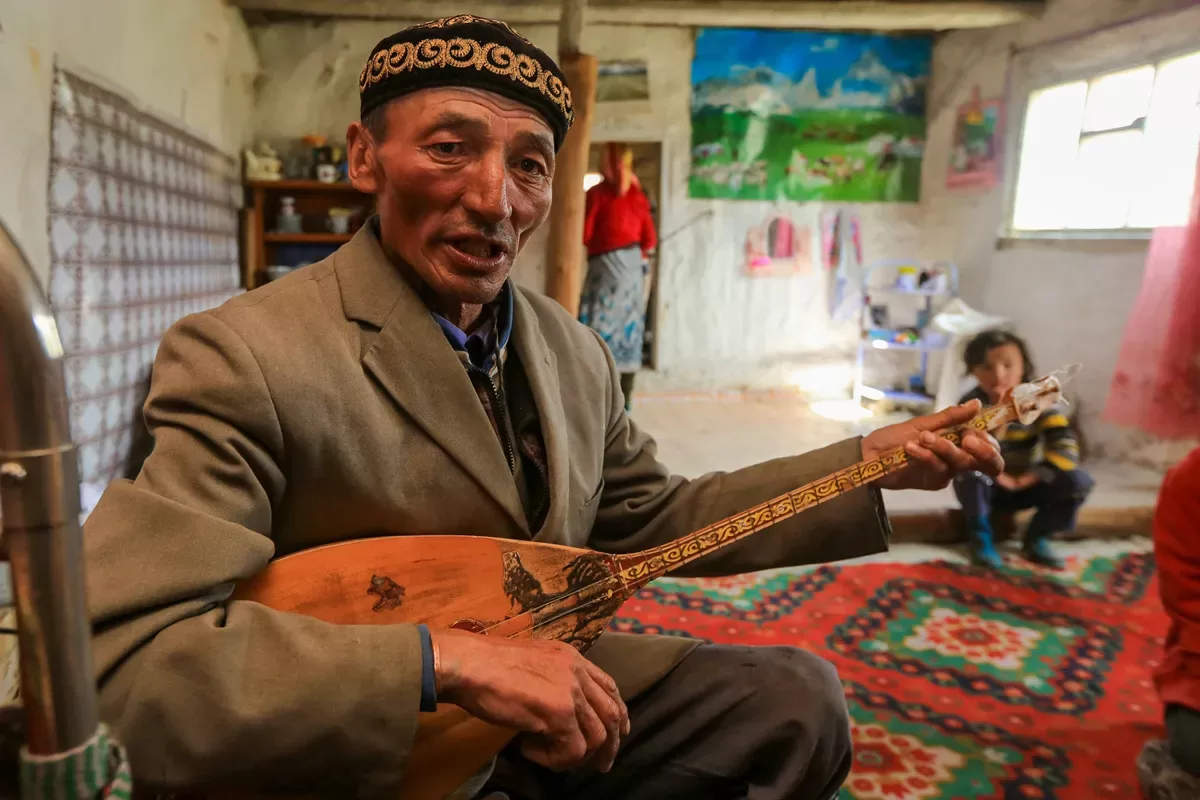
For travellers drawn to music as more than entertainment, we create journeys built around your curiosity, wherever it leads.
From remote ceremonies to private palace performances, each experience is shaped by local relationships and cultural integrity.
We orchestrate one-of-a-kind encounters, grounded in respect and designed for presence. Whether your interest lies in rhythm, ritual, or the stories music tells, we’ll take you to its source.