Around the globe, Indigenous cultures sustain traditions that illuminate humanity’s oldest ways of life. Through language, ceremony, artistry, and storytelling, their ancestral knowledge continues to thrive, from the Amazon rainforest to Africa’s expansive plains.
Travelling within these communities, you will encounter opportunities not merely to observe, but to participate in thoughtful exchanges, grounded in listening, respect, and presence. To discover that our worlds are not so distant after all.
Often expeditionary in nature, these journeys are planned with precision to ensure comfort, safety, and cultural sensitivity. Every detail is carefully considered to enable authentic interaction, allowing guests to engage with communities on their terms and witness traditions carried forward across generations.
New Guinea
A Continuum of Culture
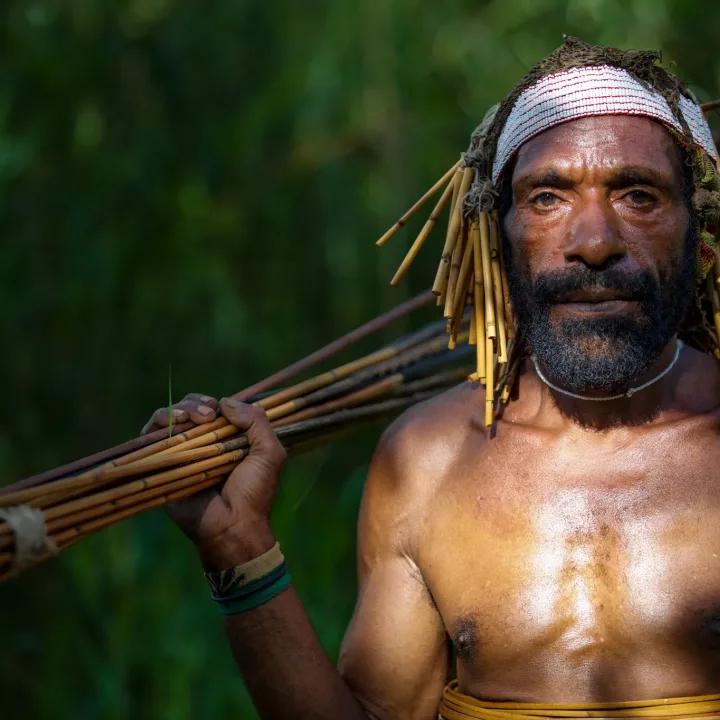
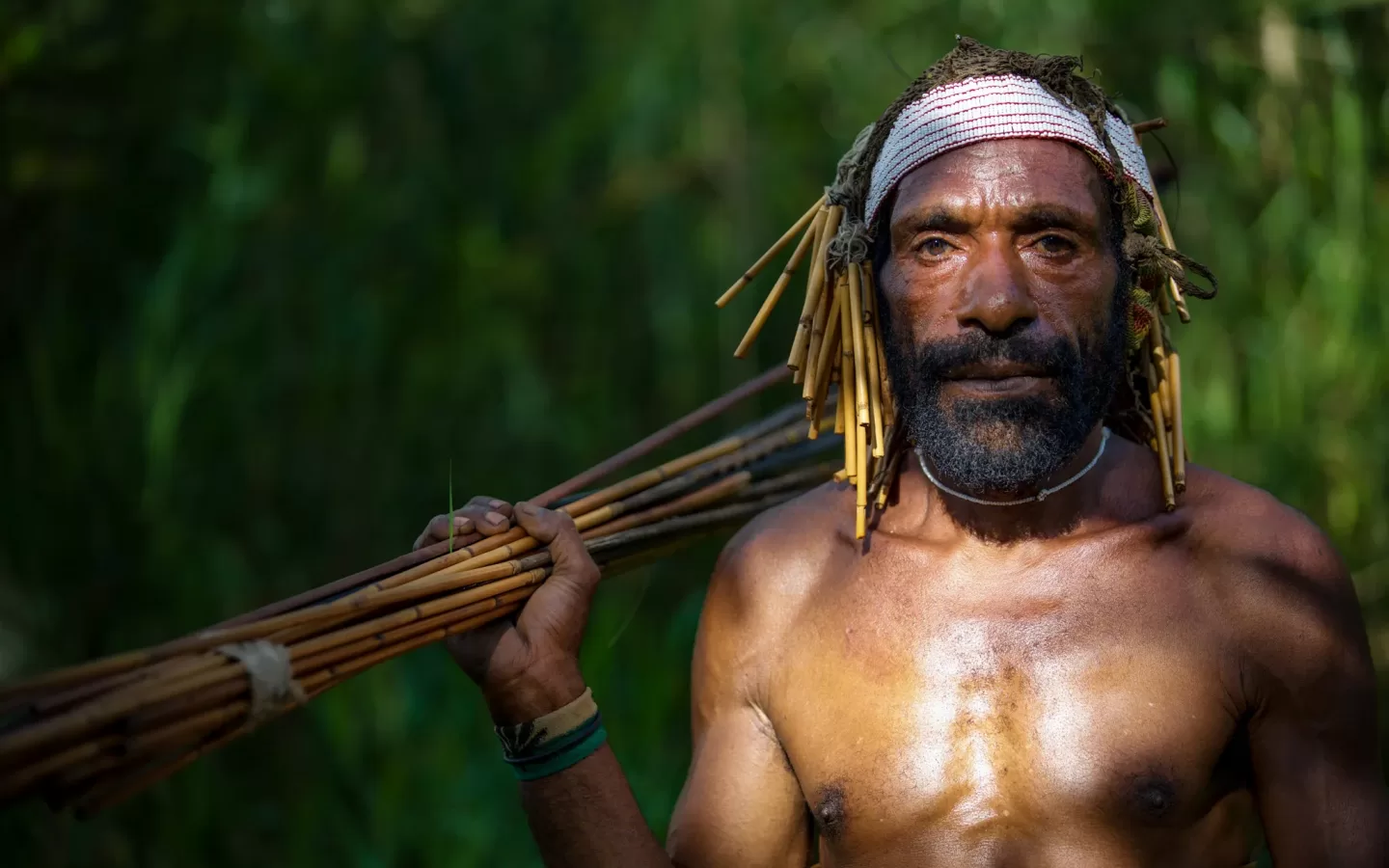
Across the vast and varied landscapes of New Guinea—the world’s second-largest island—Indigenous communities preserve some of the planet’s most diverse and intact traditions. With more than 800 languages spoken, the island is a centre of linguistic and cultural richness.
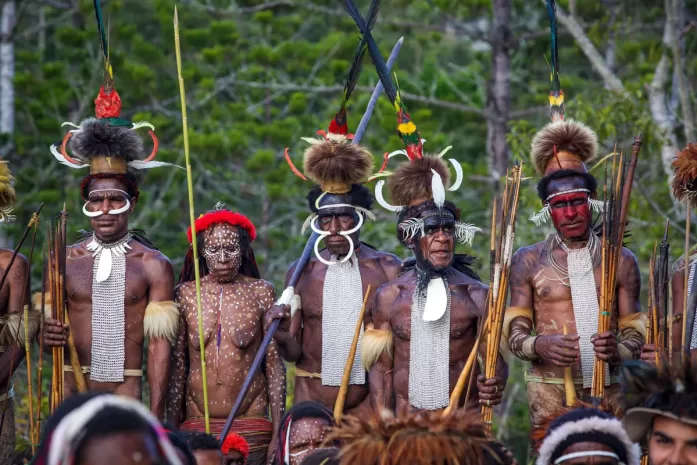
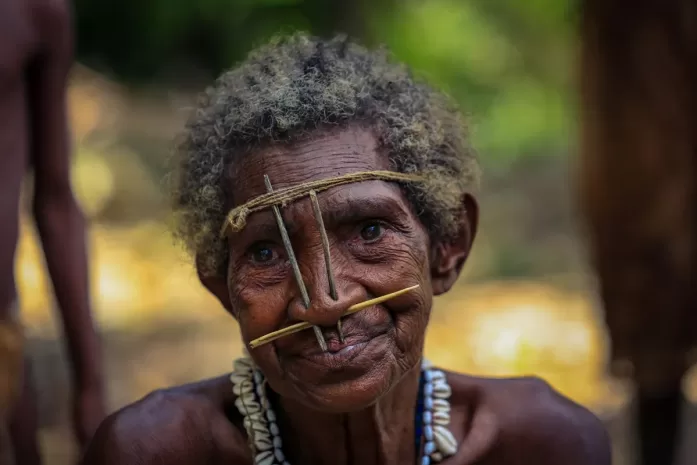
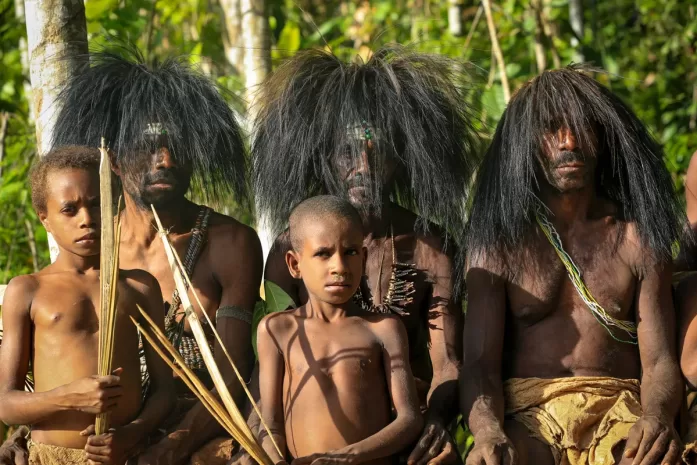
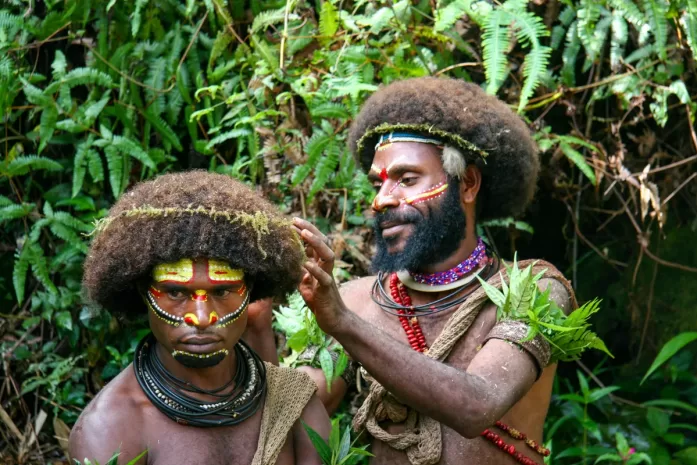
In the central highlands, the Dani and Huli people continue to practise intricate ceremonial customs, marked by rhythmic dance, vibrant adornment, and powerful symbolism.
Visitors gain insight into worldviews passed down through generations and may even be welcomed into tribal gatherings rarely seen by outsiders, participating respectfully in age-old celebrations. Although visually striking, these ceremonies are not performances; they are authentic traditions shared intimately within family compounds and open fields.
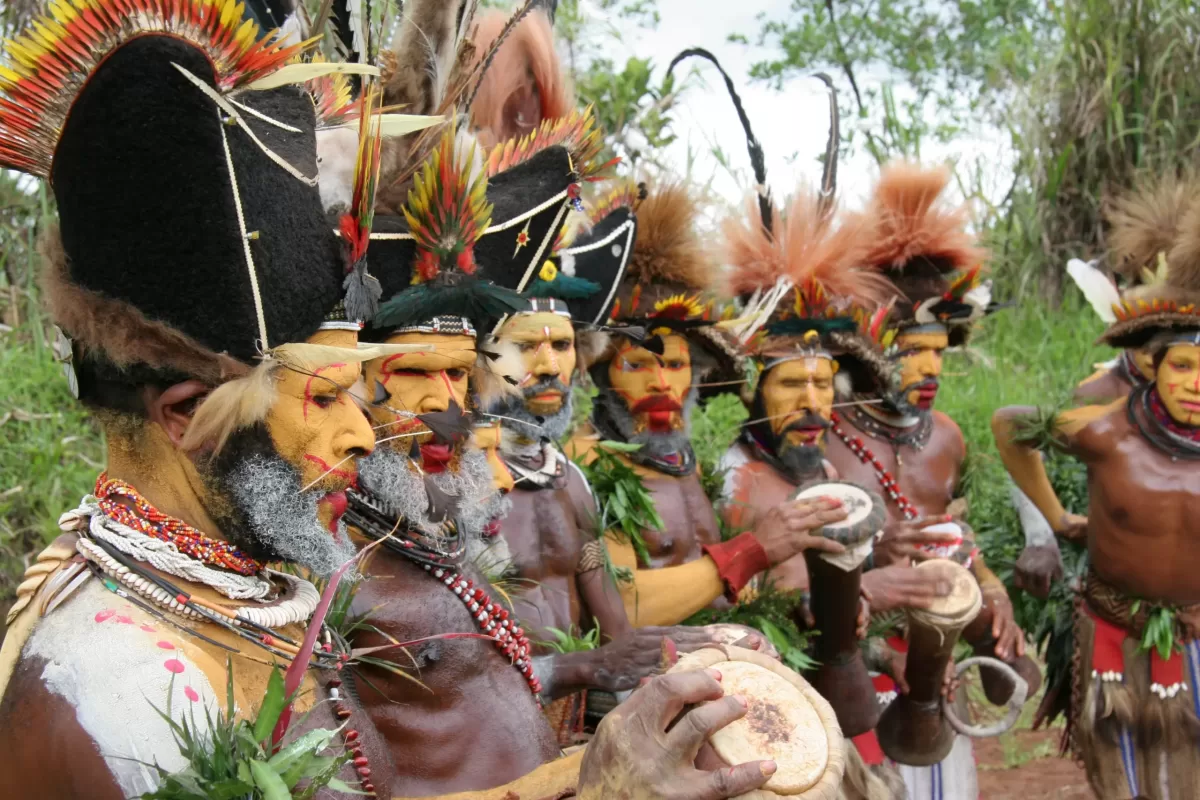
Along remote rivers such as the Sepik, artistic traditions flourish—carvings, masks, and totems reflect ancient cosmologies, particularly in communities speaking more than 250 languages. Coastal regions and offshore archipelagos offer exceptional marine knowledge and navigation traditions.
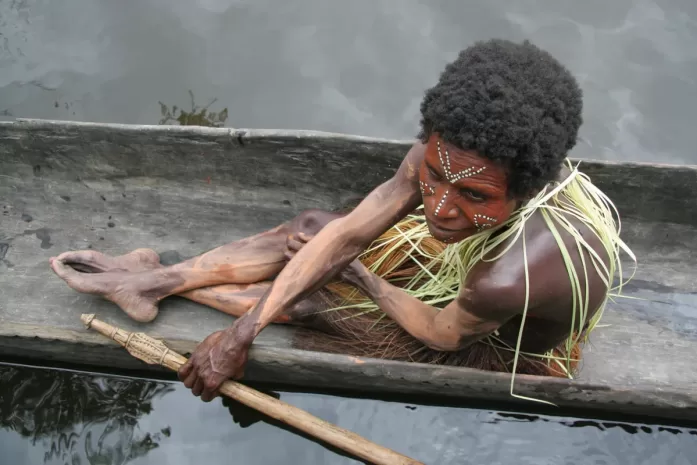
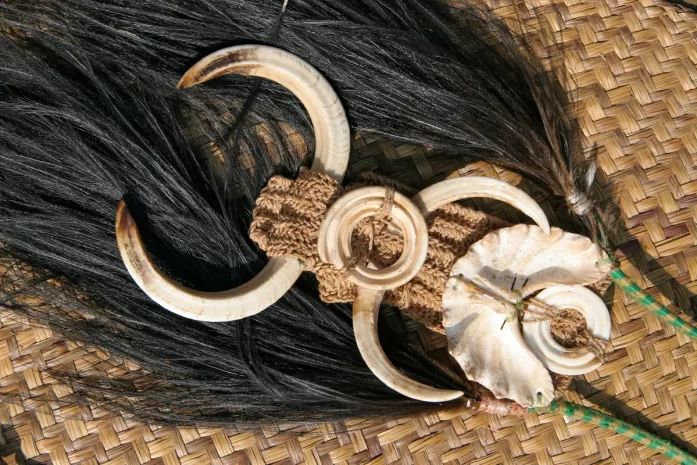
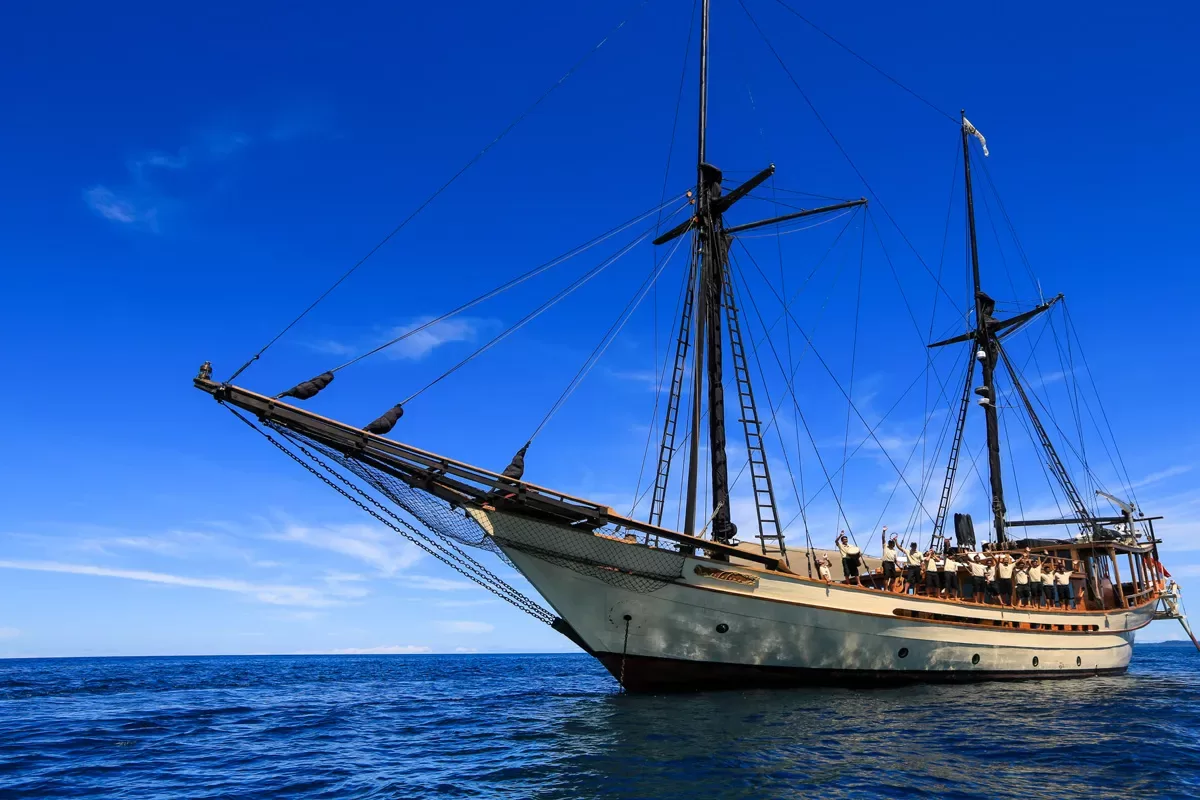
Sailing aboard a traditional Phinisi yacht grants exclusive access to remote villages reachable only by sea, immersing guests in daily life shaped by fishing, storytelling, and spiritual connections to the ocean. Expeditions to the Trobriand Islands include witnessing Kula-ring exchanges—ritualised trade voyages in large canoes that reaffirm inter-island relationships through ceremonial gifting.
Wildlife encounters in New Guinea are equally remarkable. Dive alongside a professional underwater photographer to capture the extraordinary biodiversity of pristine coral reefs and swim with gentle whale sharks.
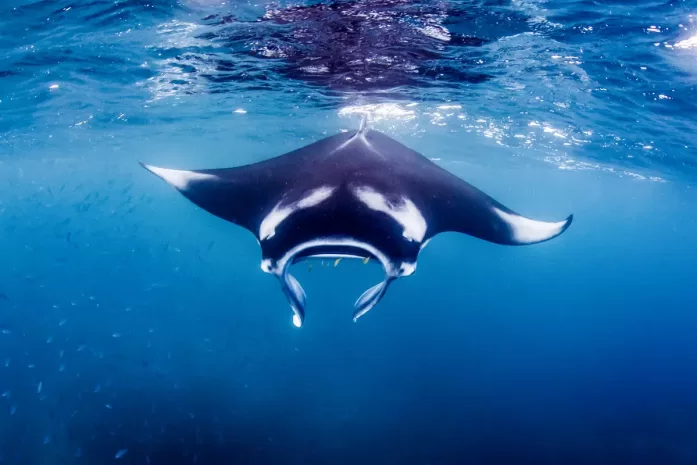
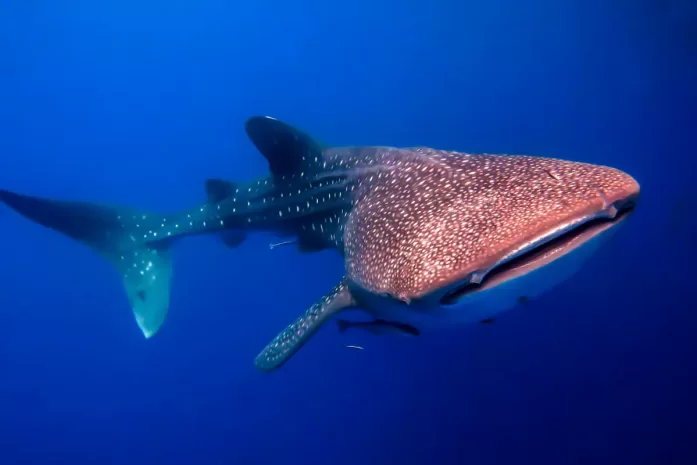
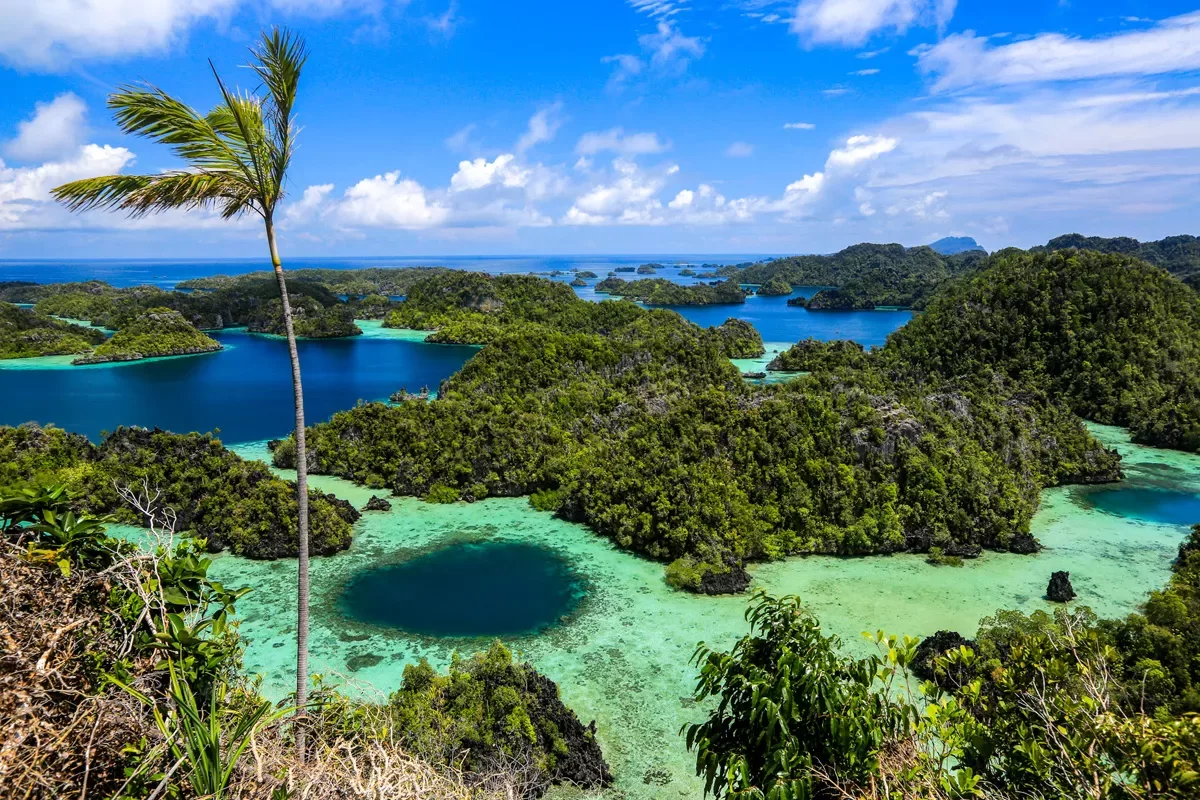
Every journey here is uniquely rewarding, whether navigating dense forest trails, conversing with elders at dusk, or listening to the rhythm of ancestral songs. Travel in New Guinea fosters profound cultural connections driven by curiosity and respect.
Throughout Africa
Land, Lineage, and Living Practice
Across Africa, Indigenous communities continue to live in close relationship with their environments, shaping, and shaped by, the land they inhabit. These are not marginal worlds; they are living systems of knowledge, refined over millennia and held in daily practice.
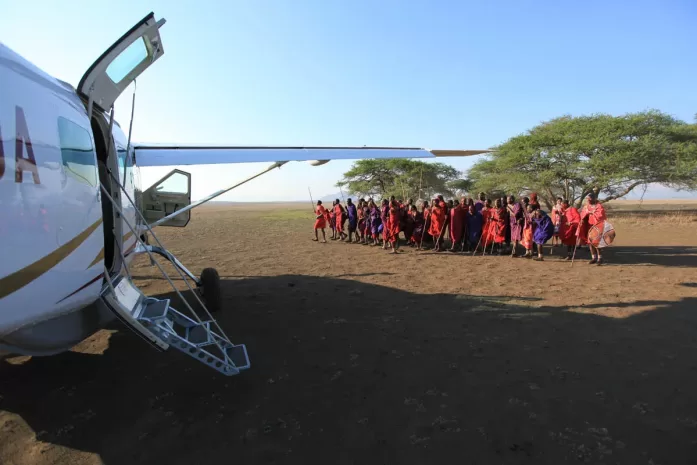
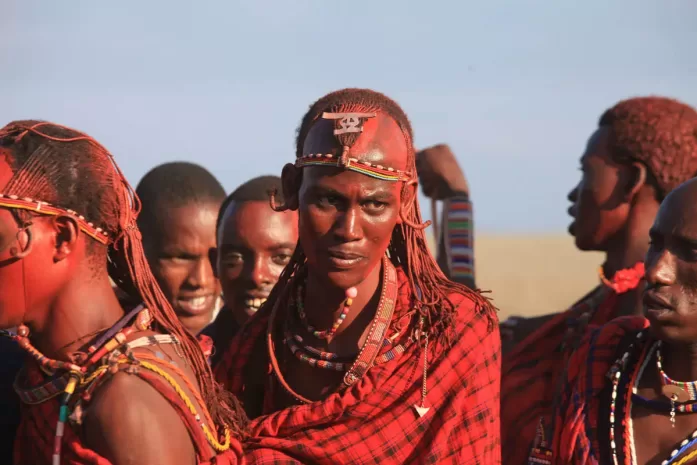
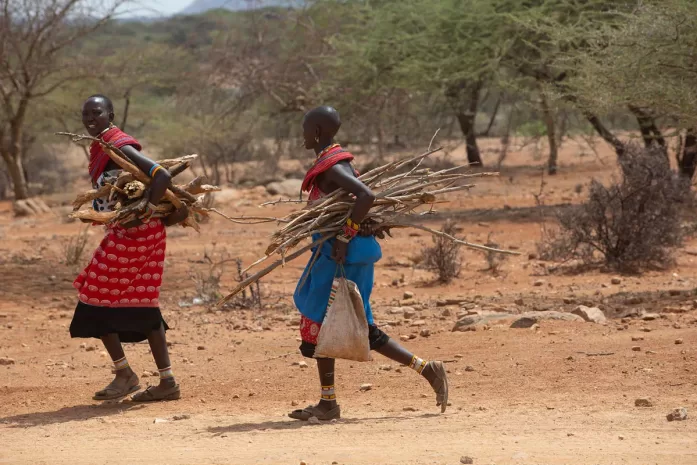
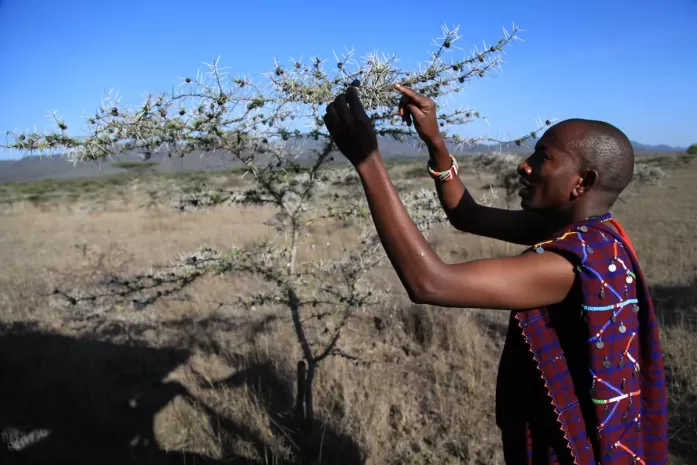
In Kenya and Tanzania, the Maasai have long sustained a semi-nomadic pastoralist way of life. Their social structures, dress, and rituals reflect a deep understanding of ecological balance—decisions around grazing, water, and migration are not arbitrary, but based on inherited wisdom about the land’s capacity and cycles.
Visiting a Maasai community opens a window into this living system, where respect for cattle, landscape, and kinship interweaves.
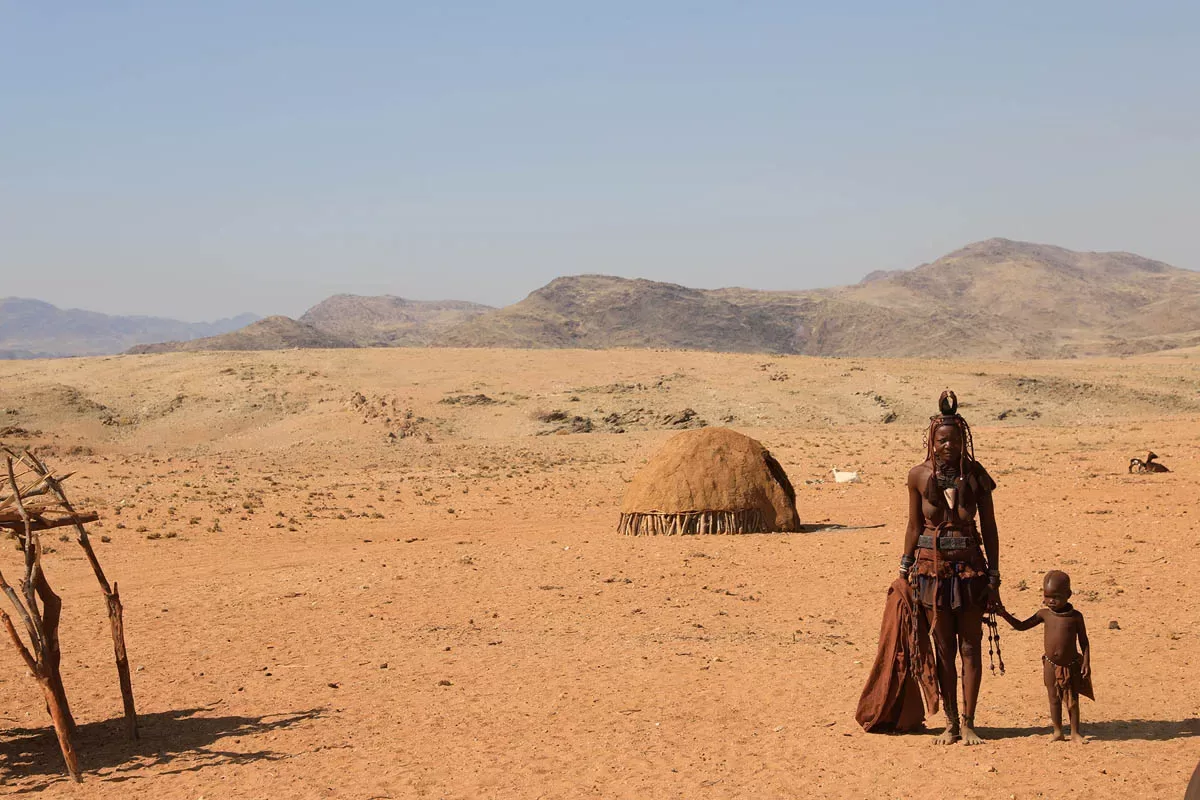
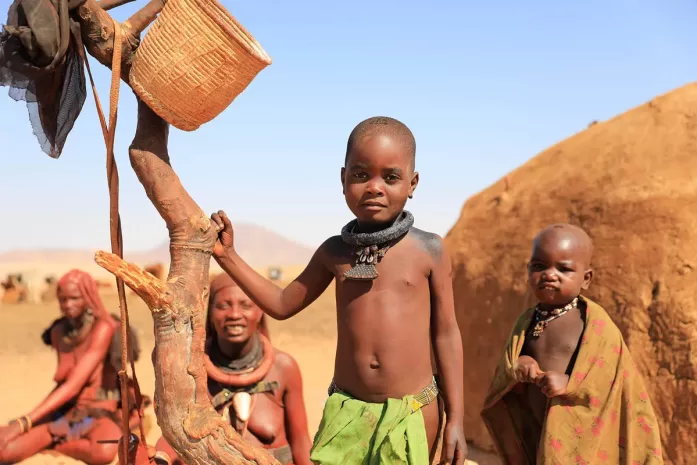
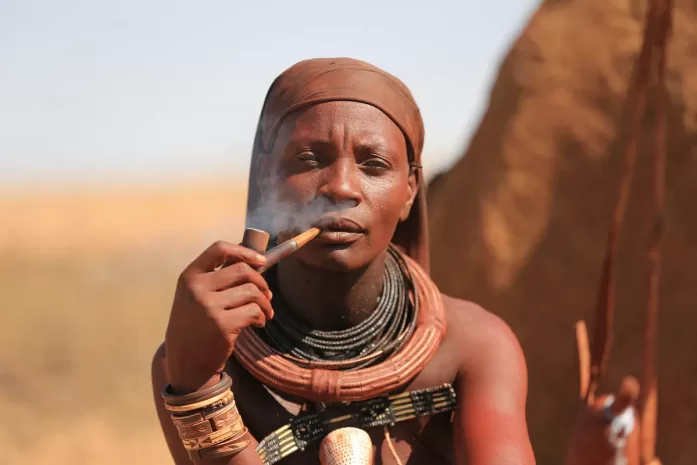
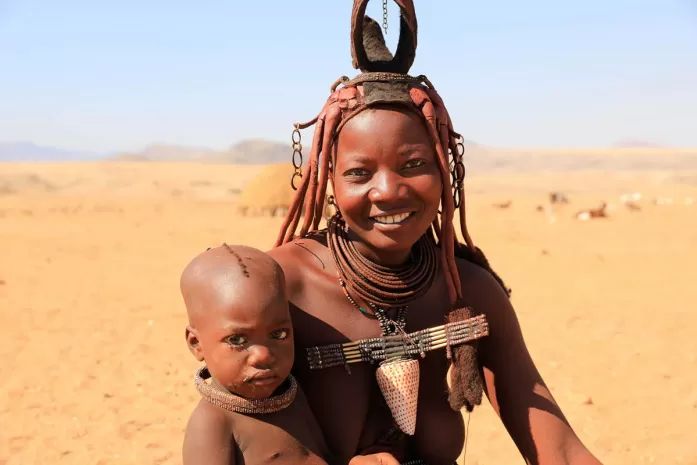
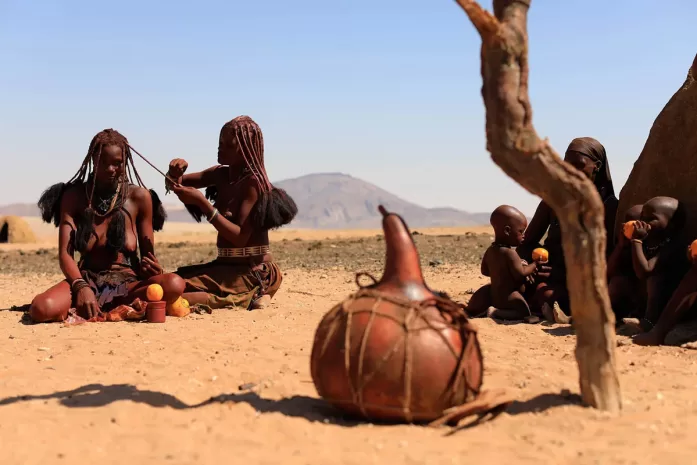
Further south, Namibia’s Himba people live in the arid expanse of Kaokoland, where survival depends on adaptation. Using a paste of ochre and butterfat to protect their skin, Himba Women maintain a distinctive tradition that also signals identity, status, and beauty.
Their villages, or kraal, function as intimate spaces of cultural continuity, where guests are welcomed into conversations about ancestry, resilience, and life in one of Africa’s most challenging terrains.
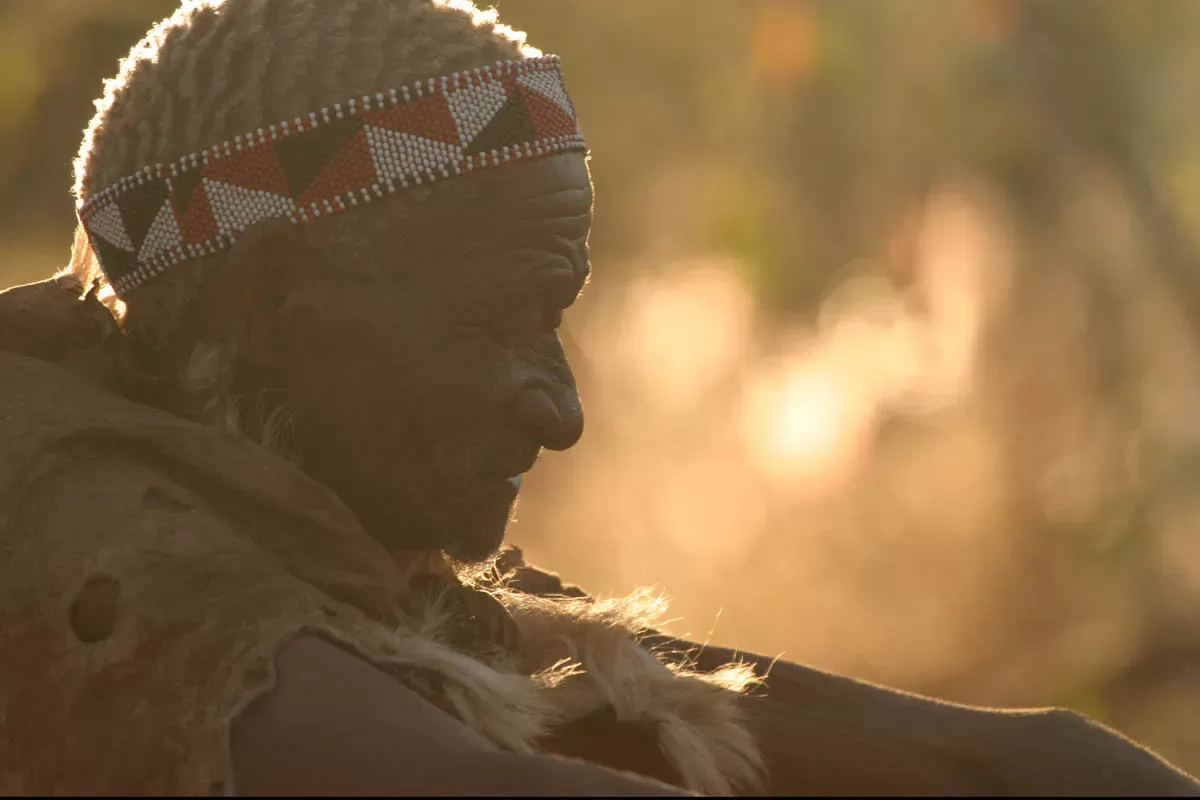
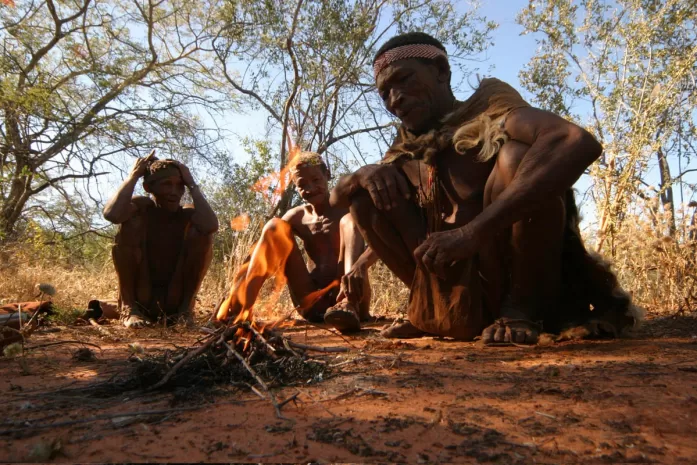
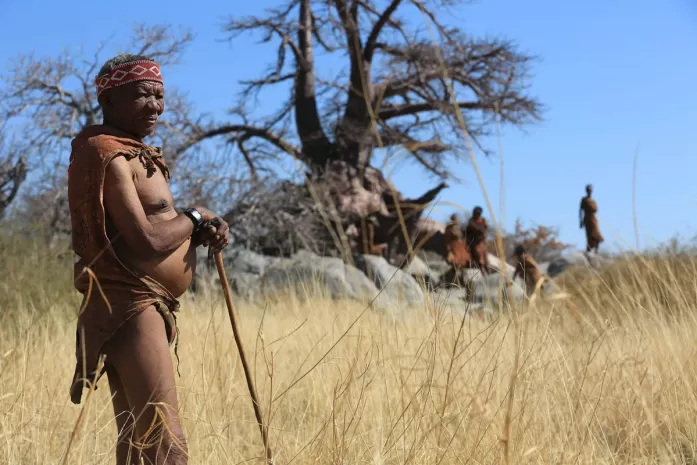
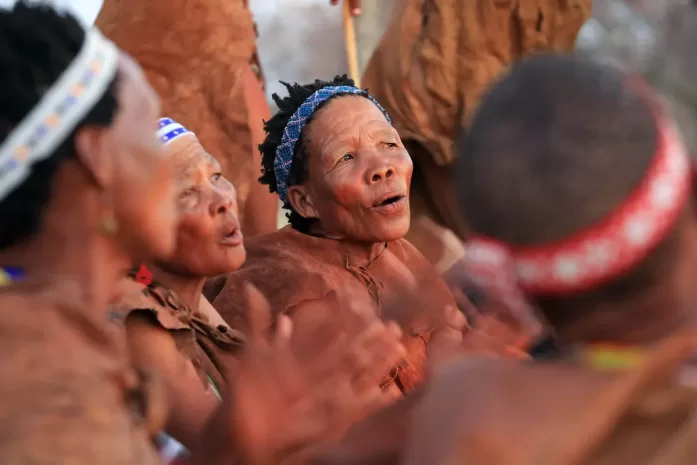
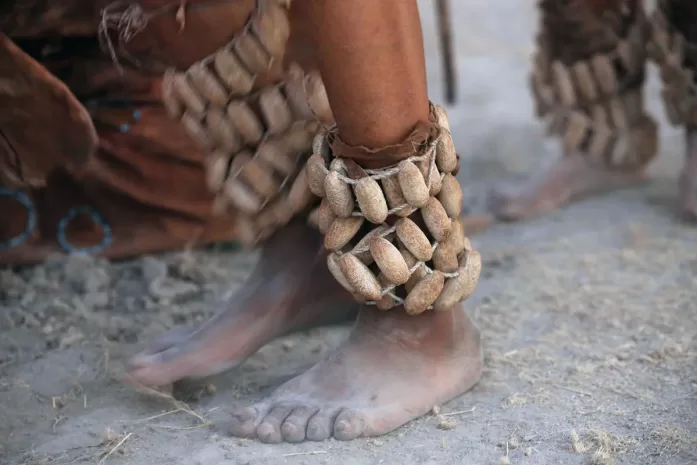
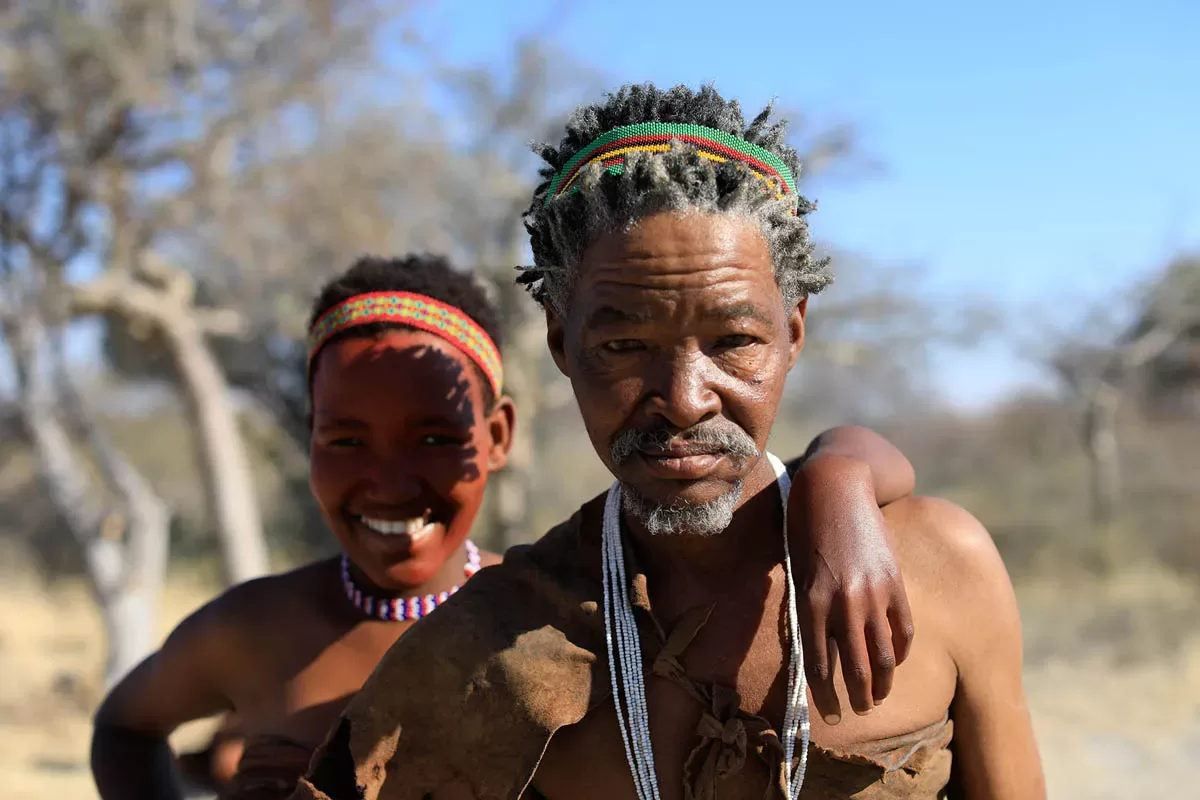
In Botswana’s Kalahari, the San—often referred to as Bushmen—possess intricate environmental literacy. With unmatched skill in tracking and storytelling, San hunters read the land as text, interpreting faint footprints, wind shifts, and animal behaviours to navigate and survive. Walking alongside them is a humbling encounter. A simple act, yet one of humanity’s oldest continuous ways of knowing the earth.
Venezuela
Ancestral Ways in a Living Forest
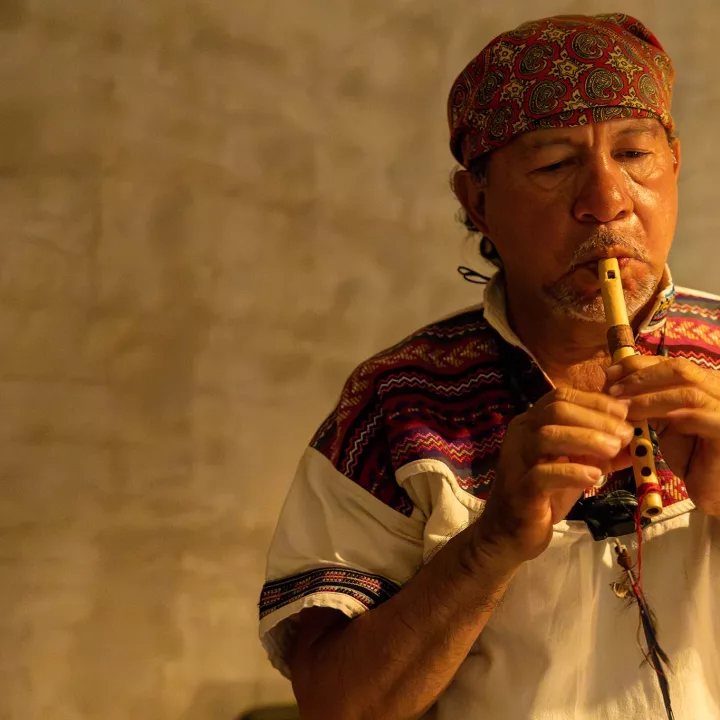
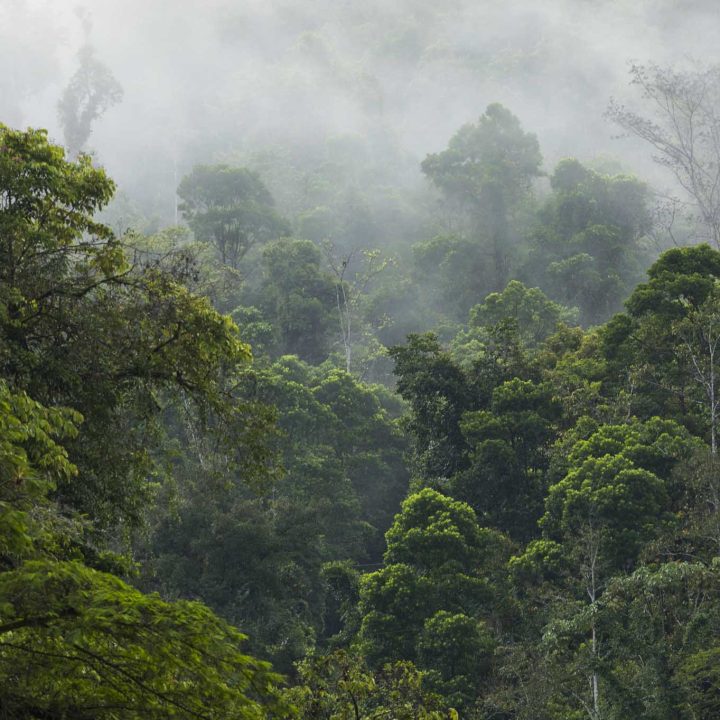
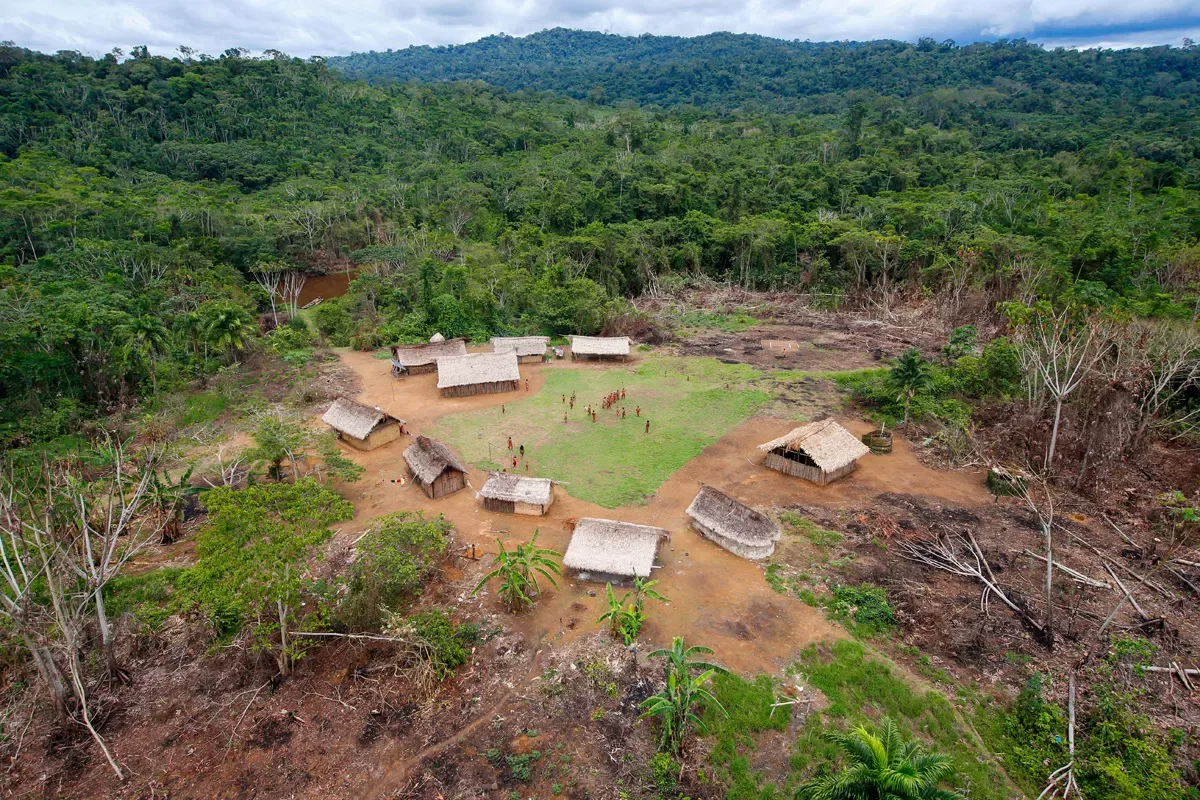
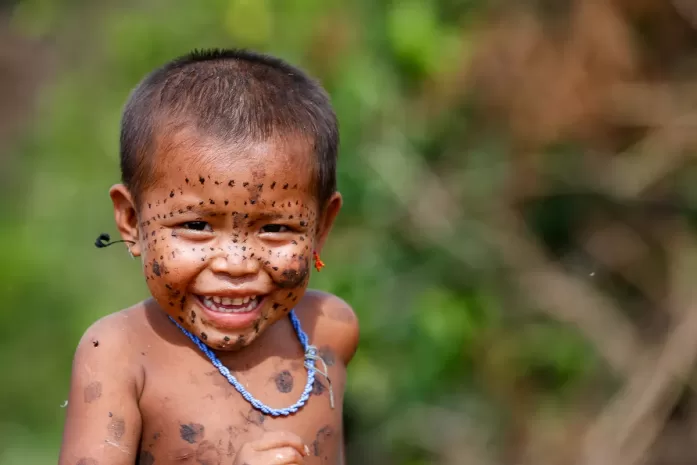
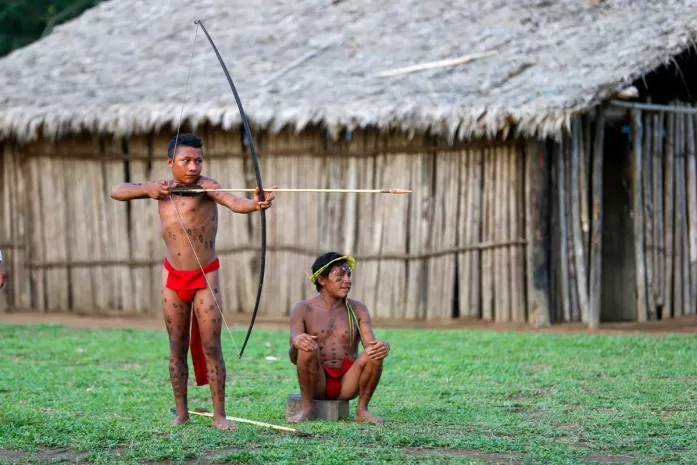
In southern Venezuela, the dense Amazon rainforest shelters one of the world’s most isolated and resilient cultures: the Yanomami. Living in communities deep within the jungle, the Yanomami maintain a worldview shaped by the forest itself—its rhythms, spirits, and cycles. Their language, rituals, and cosmology offer profound insight into a way of life, largely untouched by modernity.
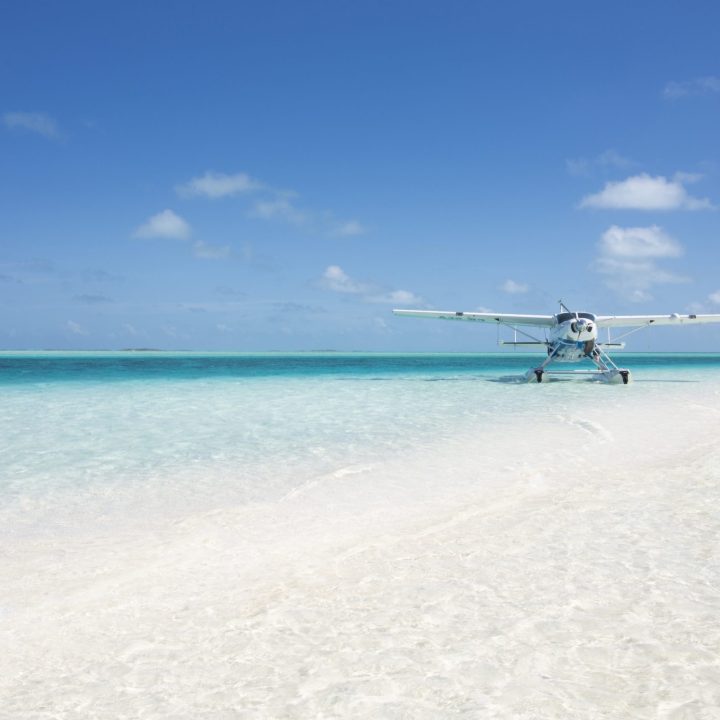
Reaching their territory is an expedition in itself. Visitors must fly by light aircraft and continue by canoe to access remote villages, where visits are made possible only through long-standing, respectful relationships.
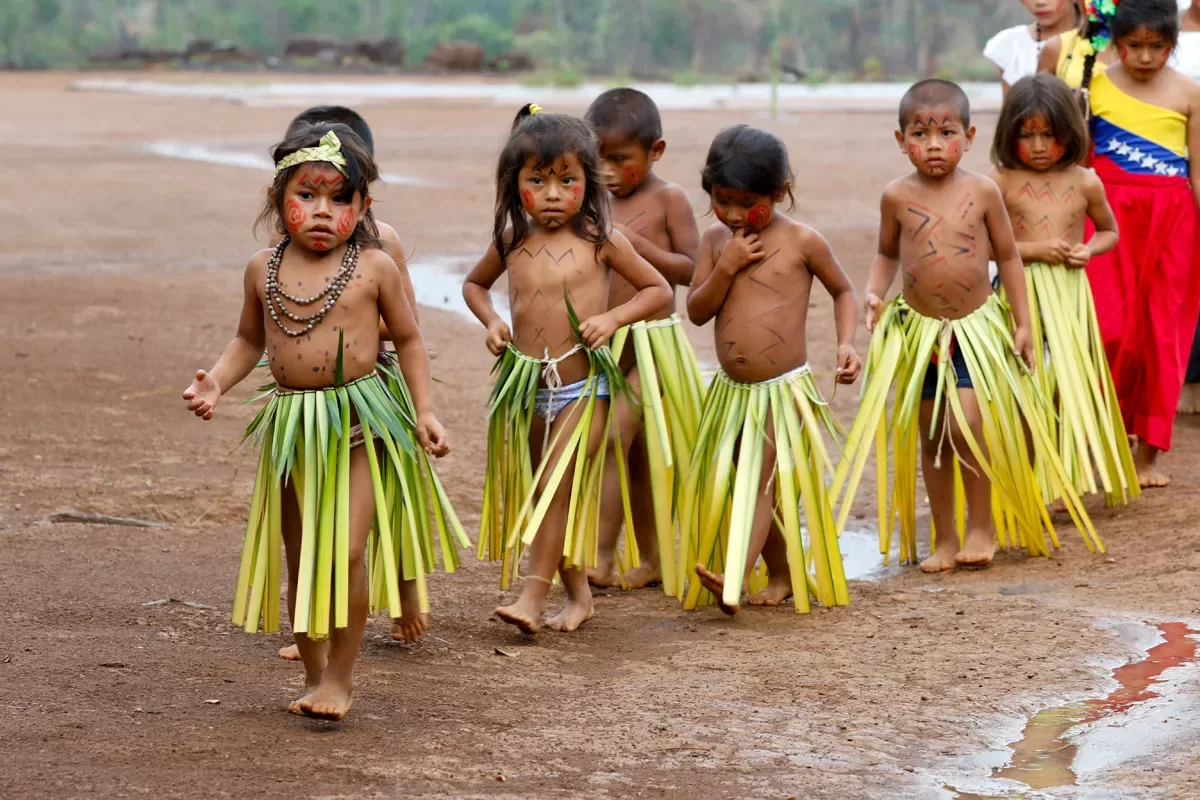
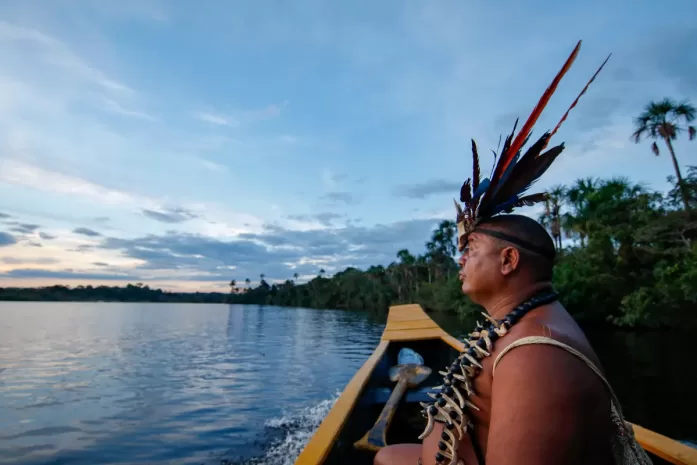
On the same journey, experiences with the Warao—‘the canoe people’ of the Orinoco Delta—reveal a different vision of paradise. Believing their world to be perfect, their language contains no words for negativity or rejection.
Kayak beside them through winding river channels and spend evenings in their stilted homes, immersed in a culture where simplicity and contentment shape daily life.
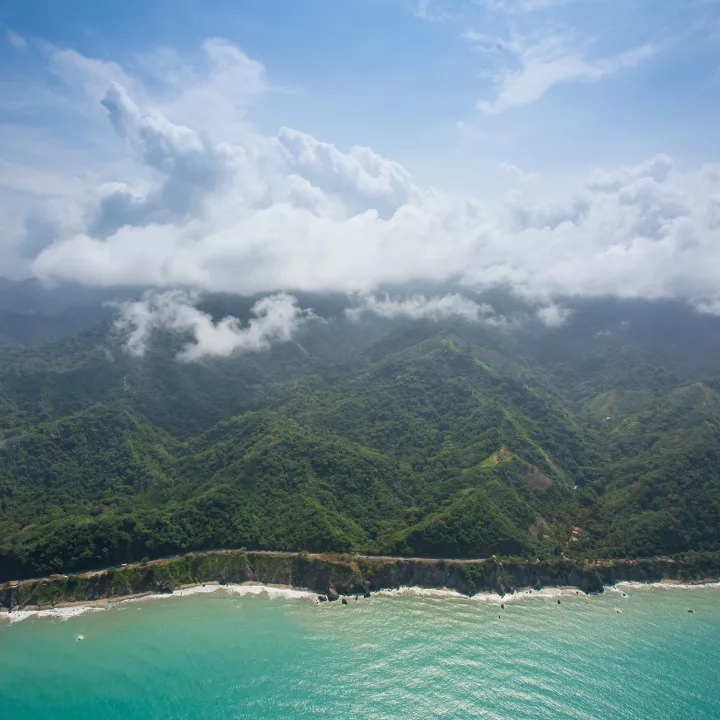
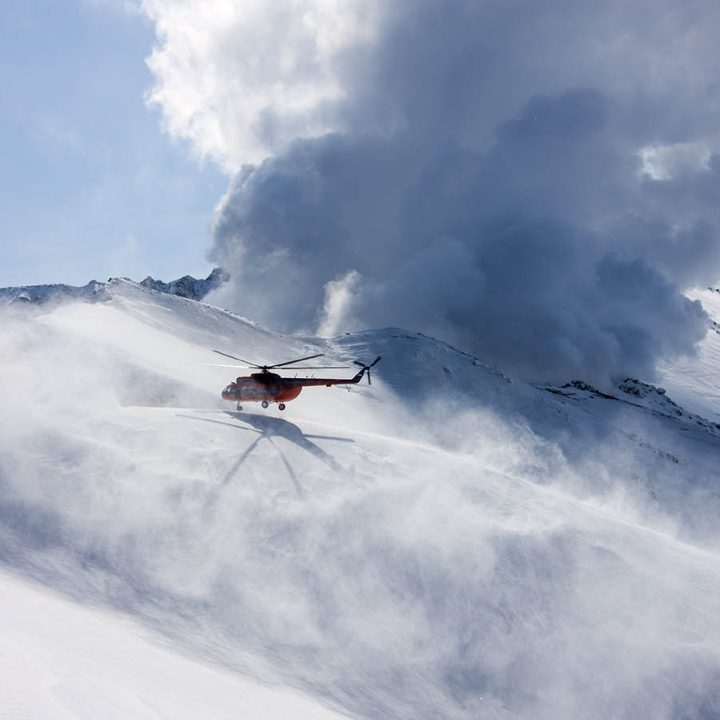
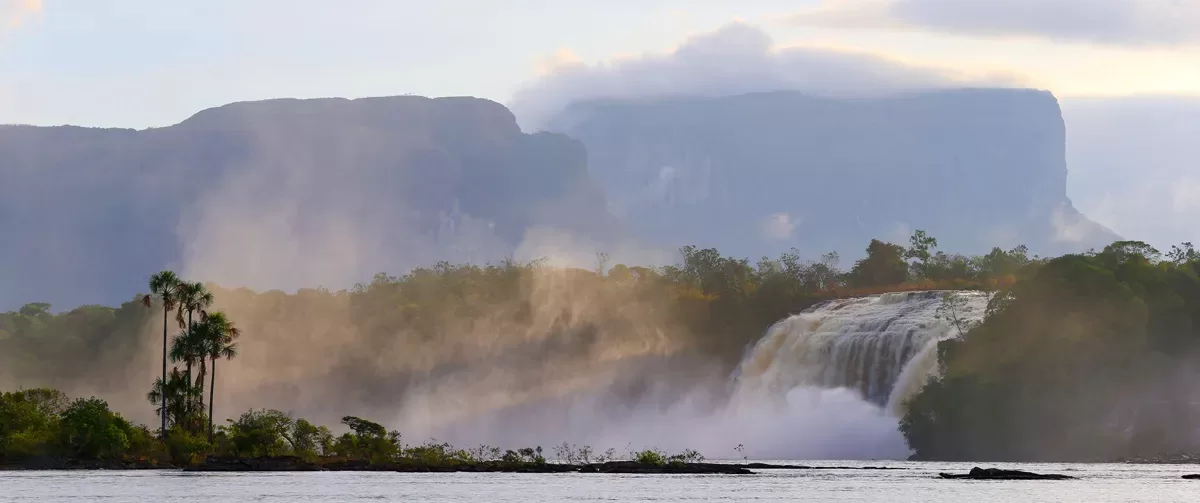
Further south, among the tabletop mountains of Canaima National Park, the Pemon people act as stewards of a landscape that defies description. Join them for a traditional celebration, then venture to the summit of Ayuán-tepui by helicopter for a picnic beside the pools that feed Angel Falls—crashing, sacred, and myth-laced.
Whether walking through cloud forest, floating across delta waters, or sitting cross-legged around a fire, these moments are invitations into Indigenous perspectives that challenge, enrich, and endure.
Although maintaining strong links to the past, these cultures are not relics of history. They are contemporary communities whose stories continue to evolve, offering travellers privileged access to knowledge and understanding impossible to replicate elsewhere.
Designed in collaboration with communities and guided by longstanding relationships, each experience prioritises cultural integrity and meaningful presence.