Mongolia is iconically vast.
Before the wheels touch the ground, the scale of the country takes hold. An unbroken sweep of grassland stretching far beyond view. From the air, Ulaanbaatar appears almost incidentally; a loose gathering of buildings set within a vast, open plain.
Then, quite suddenly, the city asserts itself. Traffic builds. Glass towers rise from the valley floor. The capital sharpens into focus.
Ulaanbaatar — “UB” to those who live here — is a modern city, confident and fast-moving, with polished hotels and an increasingly sophisticated dining scene. Yet it never quite detaches from the surrounding landscape. Past and present exist side by side here.
Beyond the capital, the country begins in earnest. Flying west, Bayan-Ölgii feels like another world entirely.
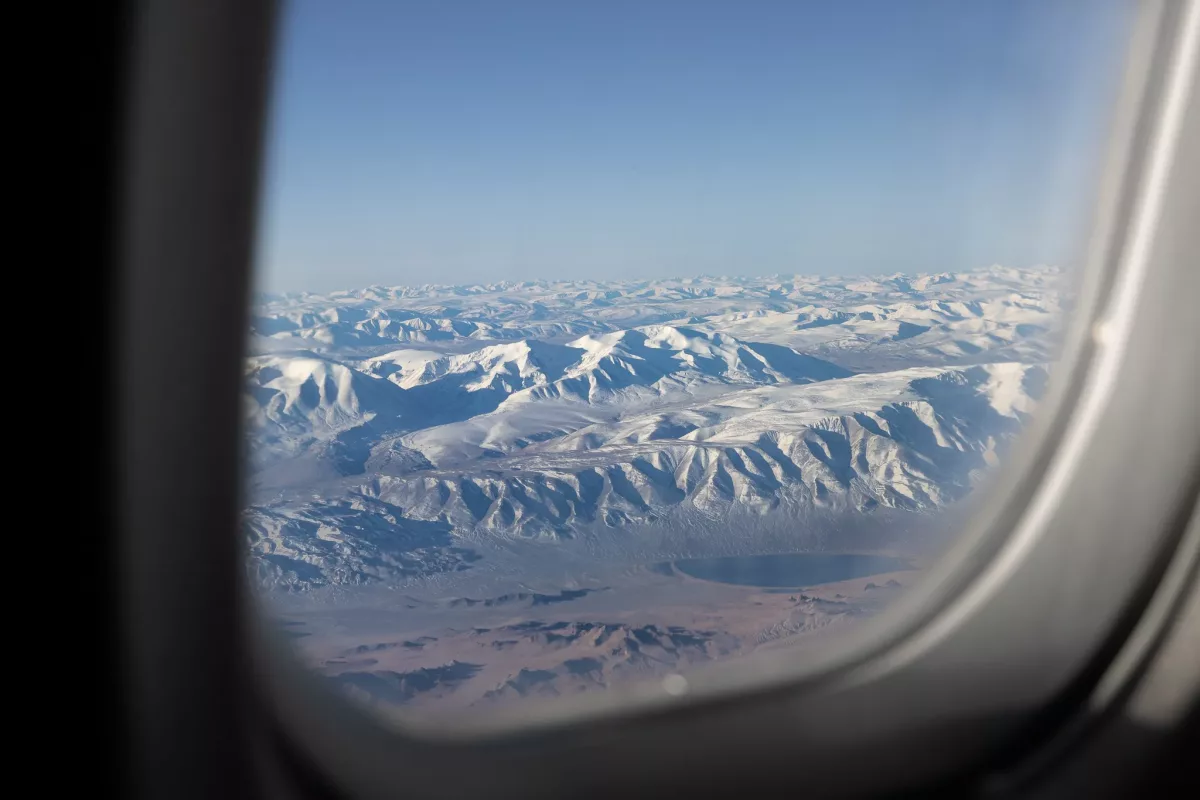
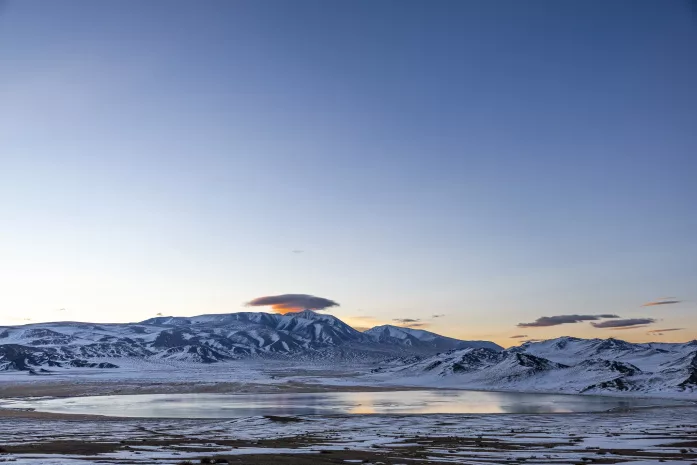
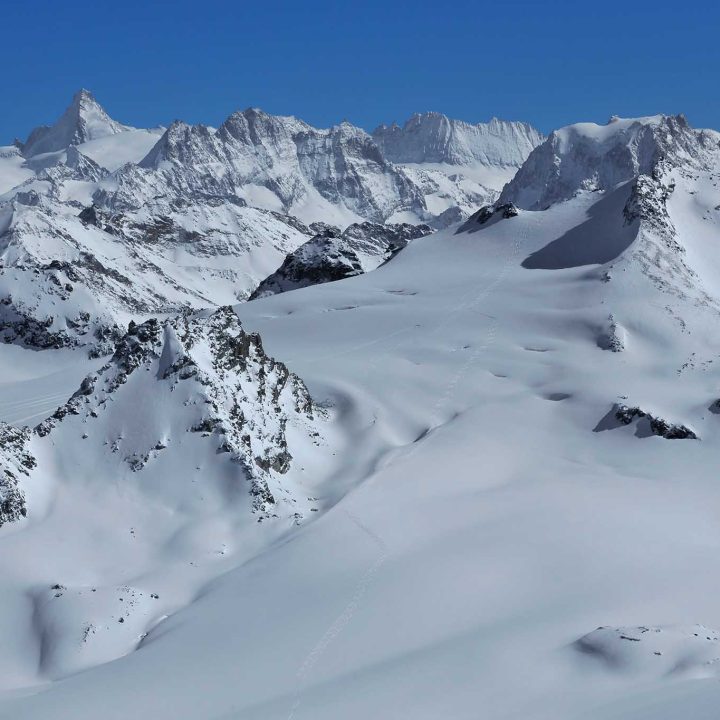
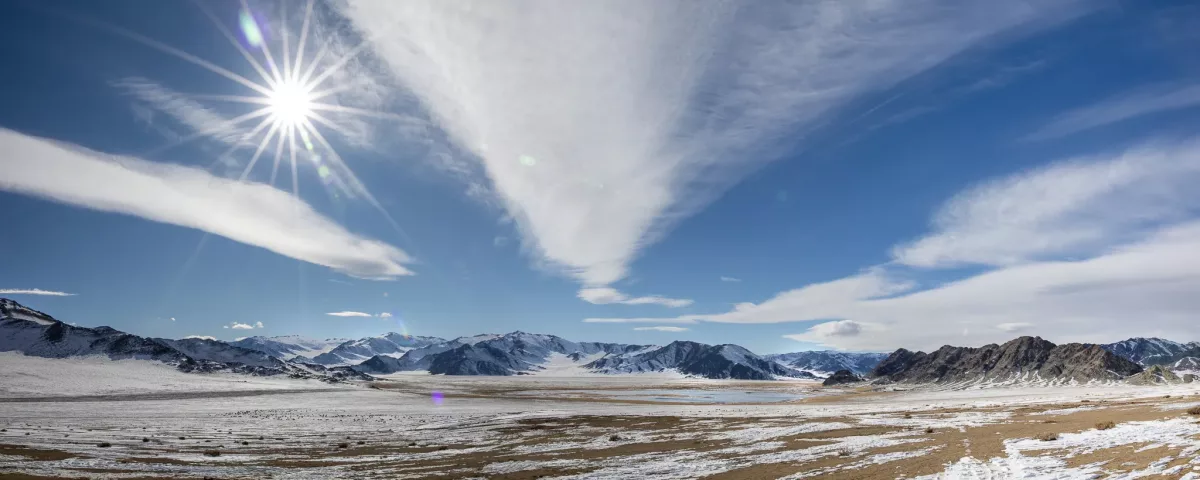
Dominated by the towering Altai Mountains that cut through the borders of China, Russia, and Kazakhstan to form a high-altitude, snow-dusted frontier, the scenery here feels almost mythical.
Valleys carved deep and wide, cliff faces plunging sharply into the earth, and mountain ranges layered with shades of ochre, olive and gold.
The air is crisp and clean, and the light startlingly clear, pulling the distant peaks deceptively close.
Eagle Hunters and Huntresses
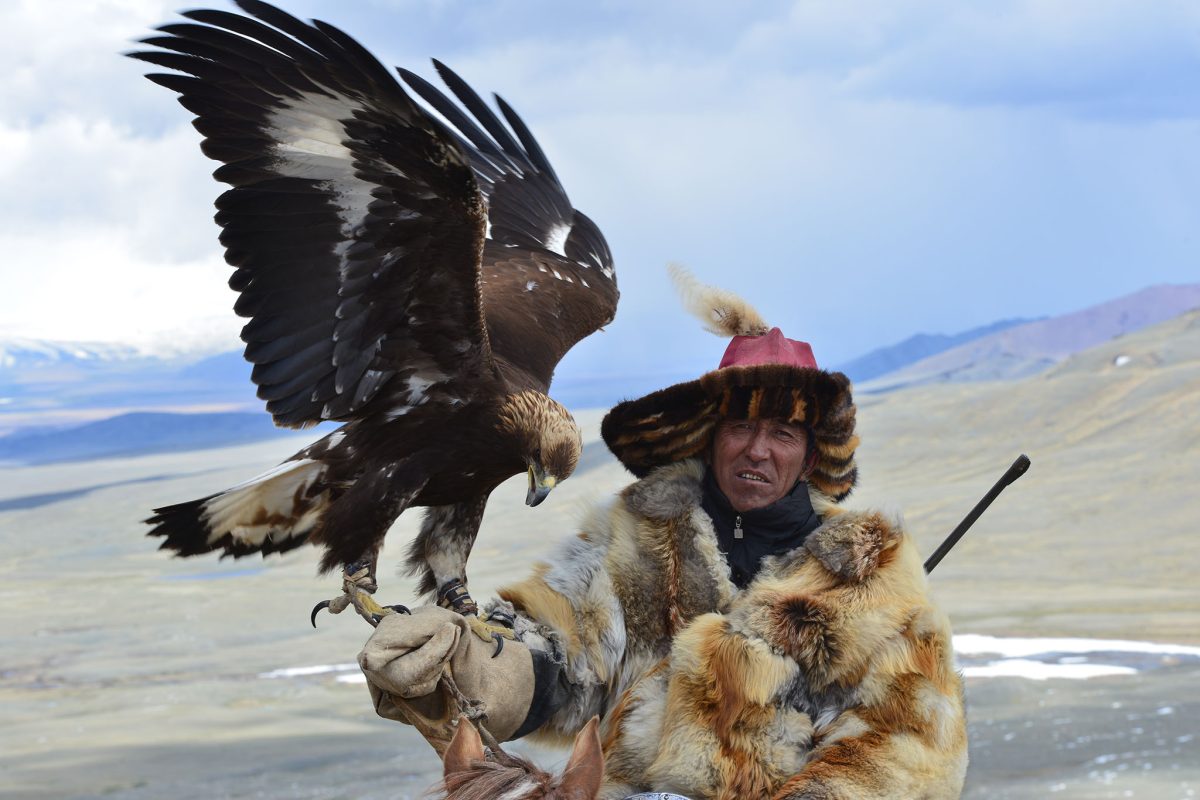
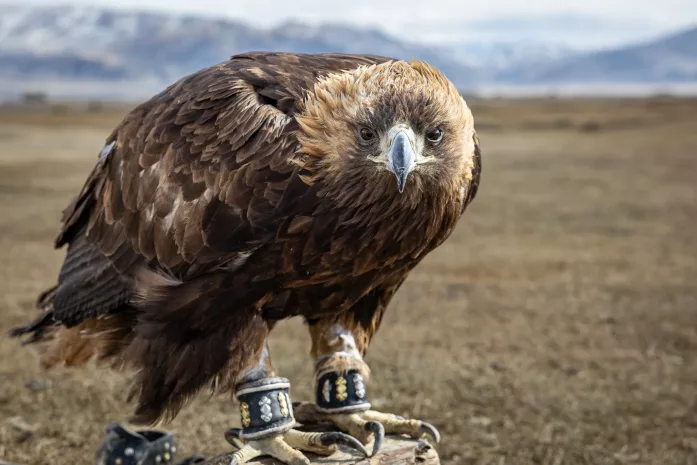
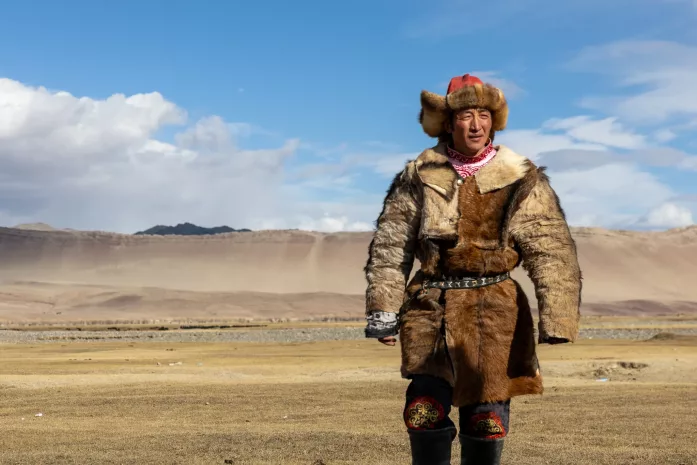
This region is the cultural heartland of the ethnic Kazakh community. Distinct for their nomadic lifestyle, Islamic faith, and unique language, the Kazakh people are perhaps best known for their majestic Eagle Hunters.
The bond, forged between man and raptor, built on trust and patience, and sustained across generations, appears cinematically theatrical, but is, in fact, deeply practical. An ancient skill once essential for hunting food and gathering furs in one of the harshest climates on earth.
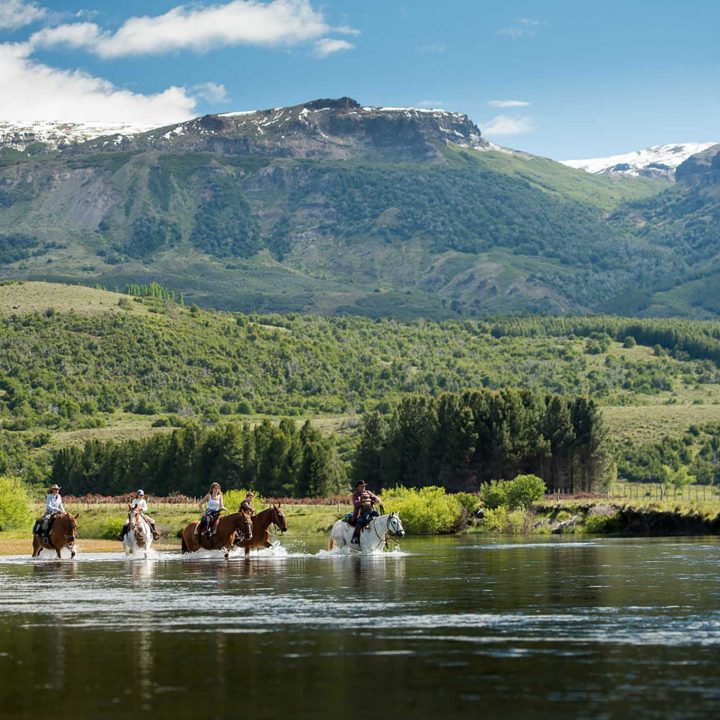
Time spent with the hunters is unforgettable. Learning the subtle calls used to communicate with the birds, riding alongside the hunters across the Altai landscape, and understanding how to read and track the terrain. This is a profound immersion into a way of life that continues despite the world’s dramas.
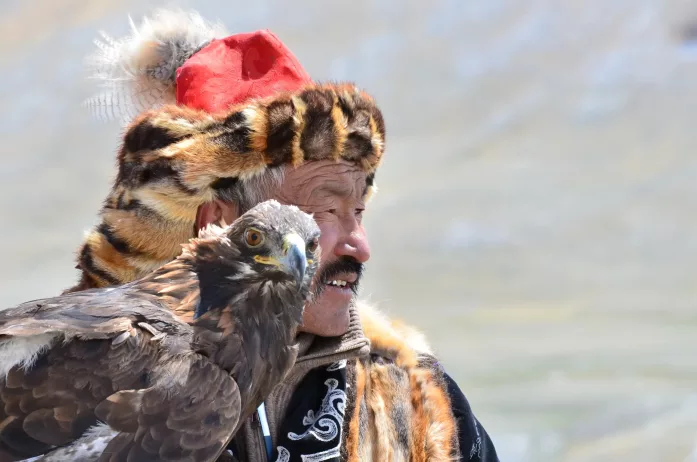
To preserve this unique spectacle, the Golden Eagle Festival was founded in 1999 by dedicated eco-luxury pioneer, Jalsa Urubshurow.
Conceived to safeguard cultural heritage and inspire younger generations, the festival — held each October, timed to the season’s first snowfall — has evolved into an internationally recognised event. It now not only supports Mongolia’s nomadic communities but is also a life-changing event for those fortunate enough to witness the spectacle.
Among the younger generation, eagle huntresses are becoming increasingly visible. While often perceived as a male domain, women have long played a role in the practice. Today, young Kazakh huntresses train alongside their fathers to compete on equal footing at the festival. In 2023, one such huntress, Ay Moldir Daiynbek, won the festival at just 13 years old — not the first, but the youngest female to win the prestigious honour.
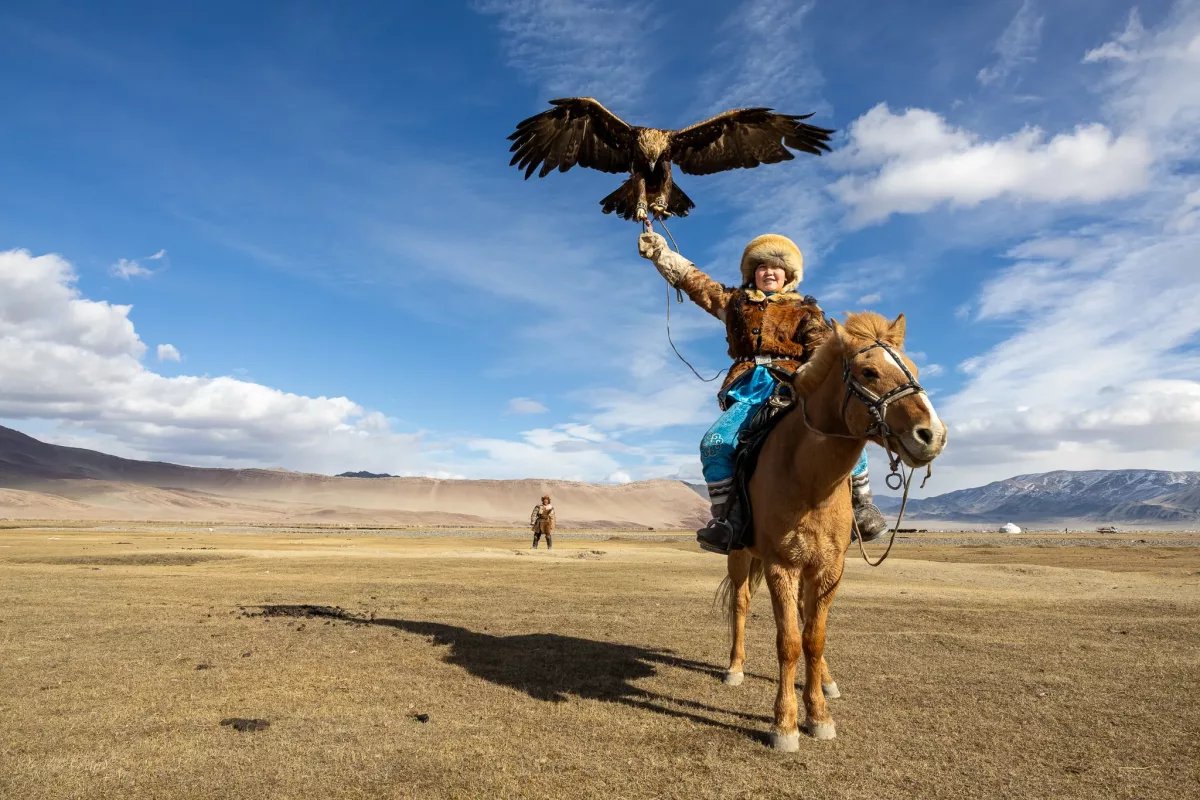
A Nomadic Welcome
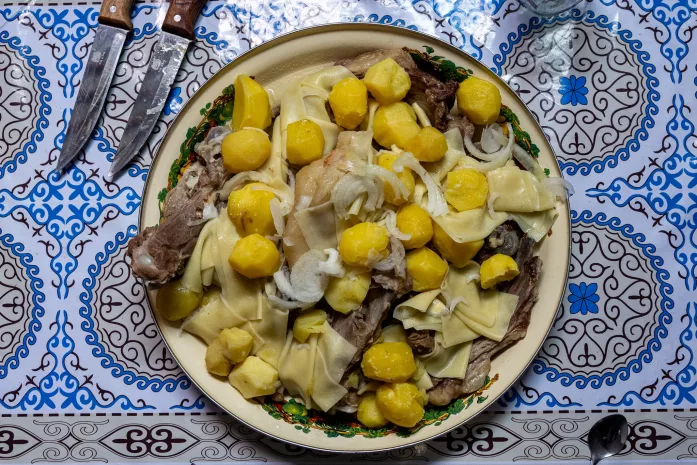
Within the hunters’ homes — nomadic ger tents that move with the seasons — a nourishing meal is shared. Freshly prepared mutton, tangy dried cheese, and buttery tea.
Hospitality in these lands is not simple courtesy; it is survival. In a landscape this vast and unforgiving, generosity needs to be reciprocal. To accept warmth from a stranger, you must be prepared to offer it. It is within this exchange that a deeper kind of human connection takes root.
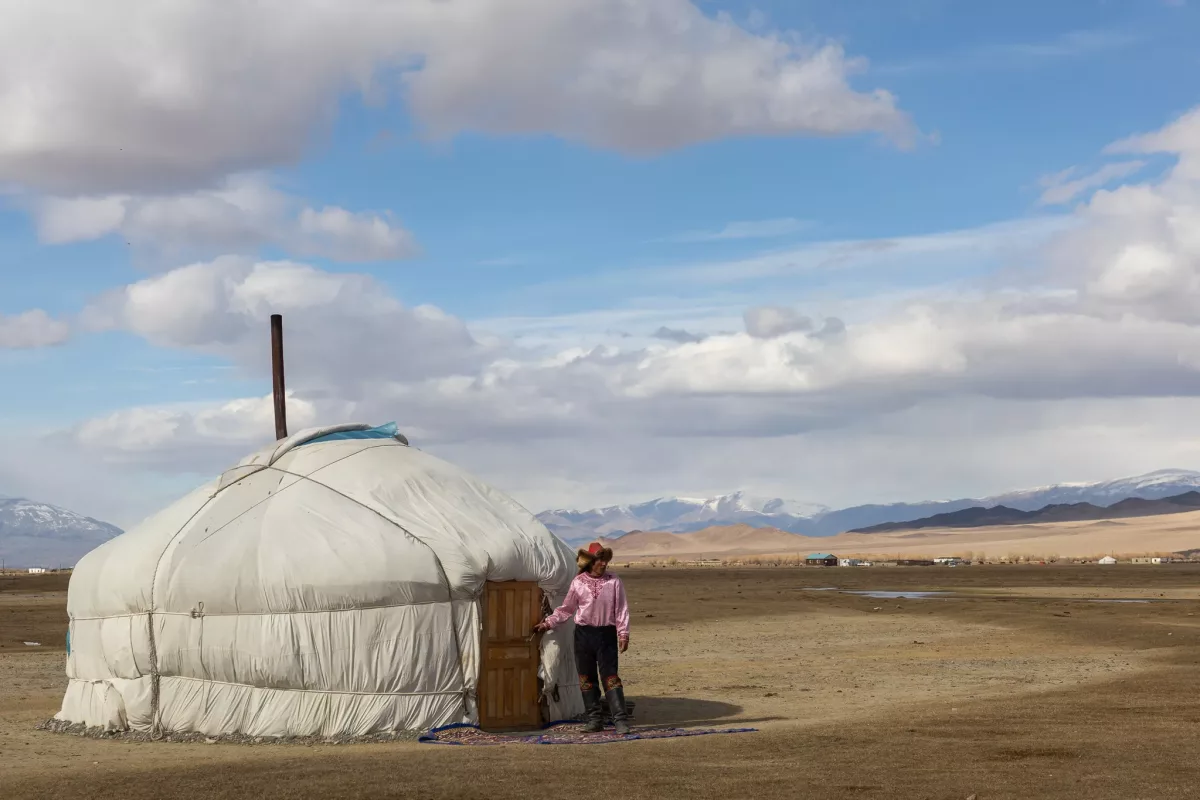

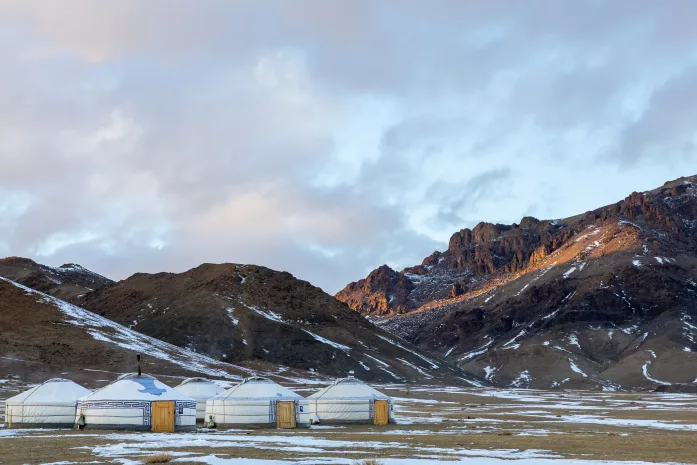
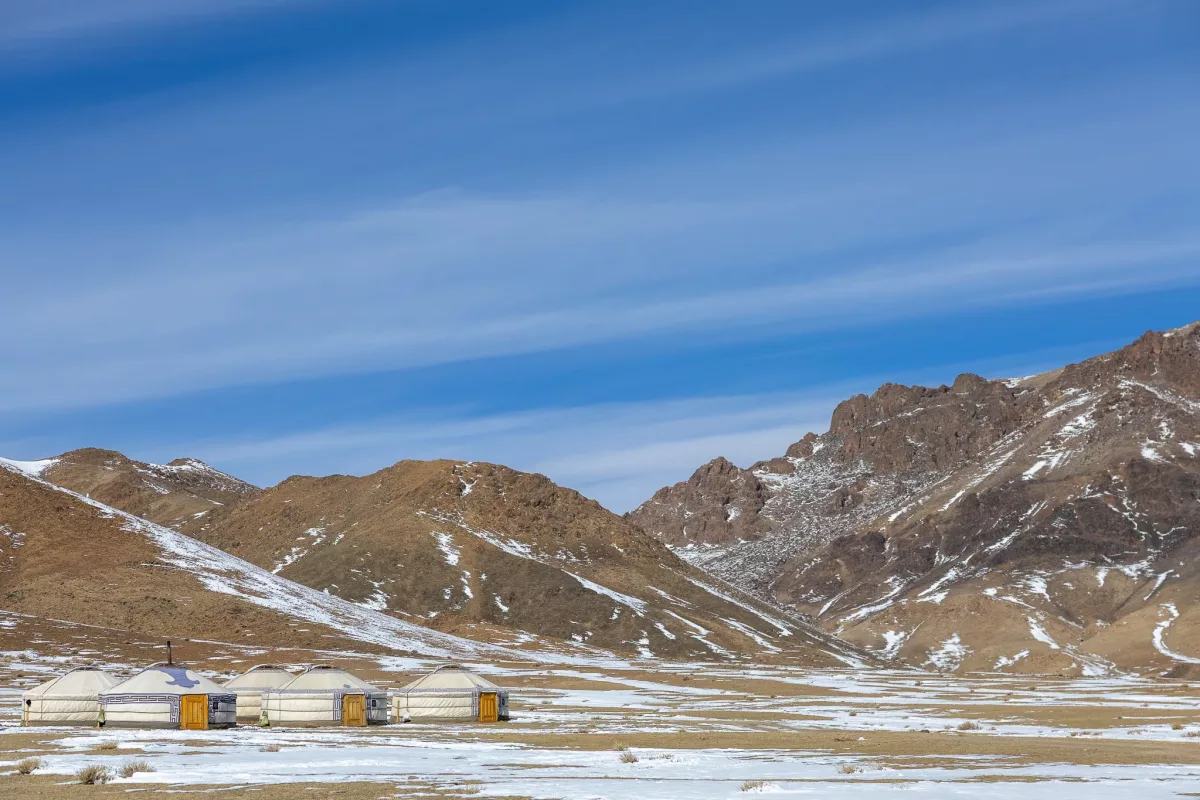
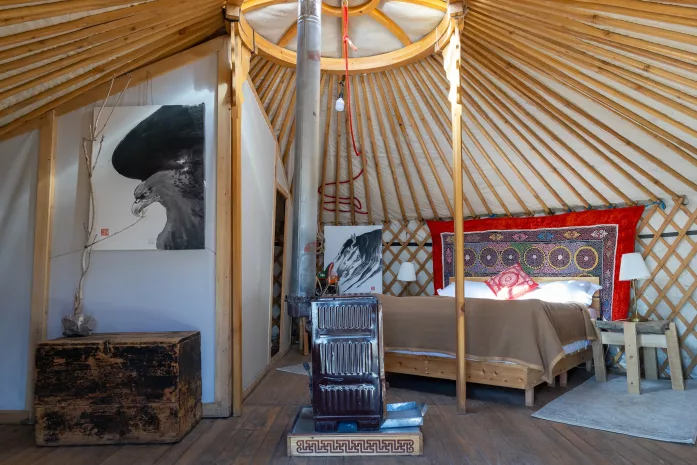
For visitors, gers are also the best form of accommodation. Jalsa’s team creates fully custom camps that mirror traditional nomadic camps on the outside, while providing thoughtful comforts on the inside. Gers can be erected anywhere, giving you the freedom to deeply immerse into the wildest corners of the landscape.
With king-size beds, hot showers and a coal-burning hearth at the centre, these are modern upgrades to a traditional shelter that remains deeply connected to the land.
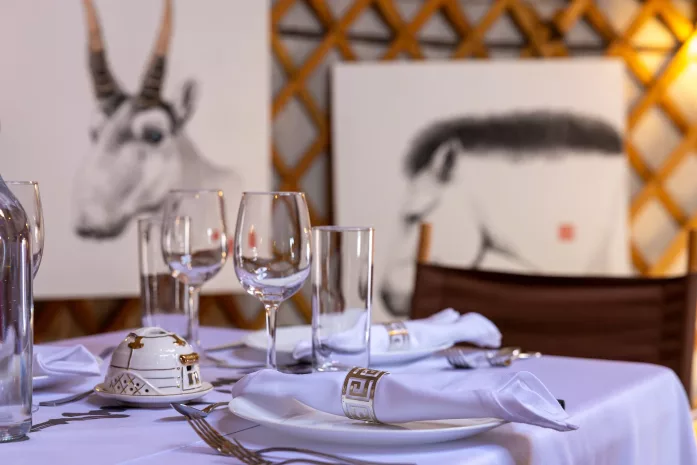
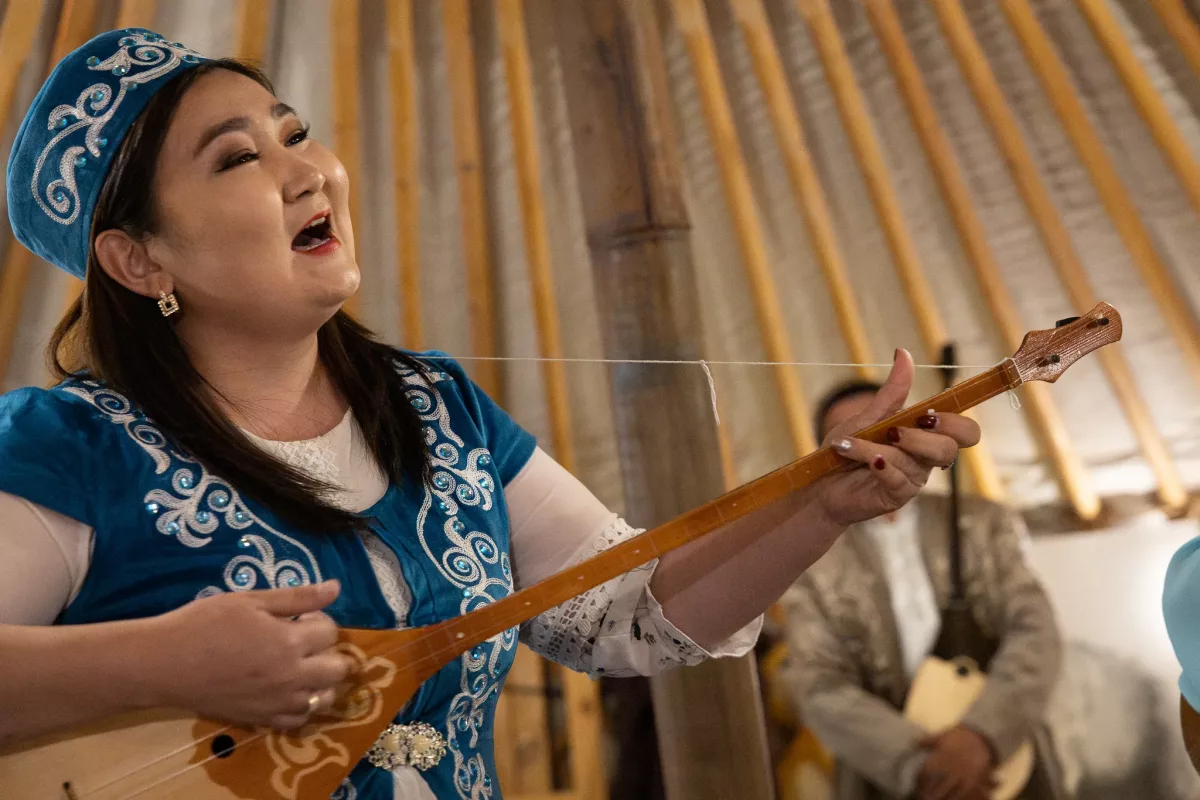
As snow falls outside, evenings unfold in the warmth of the ger: hearty meals shared by the hearth, followed by traditional Kazakh performances. The moving melodies of the dombra carry Kuis (musical narratives passed down through generations), telling stories that transport you into their people’s history.
Mountain Guardians
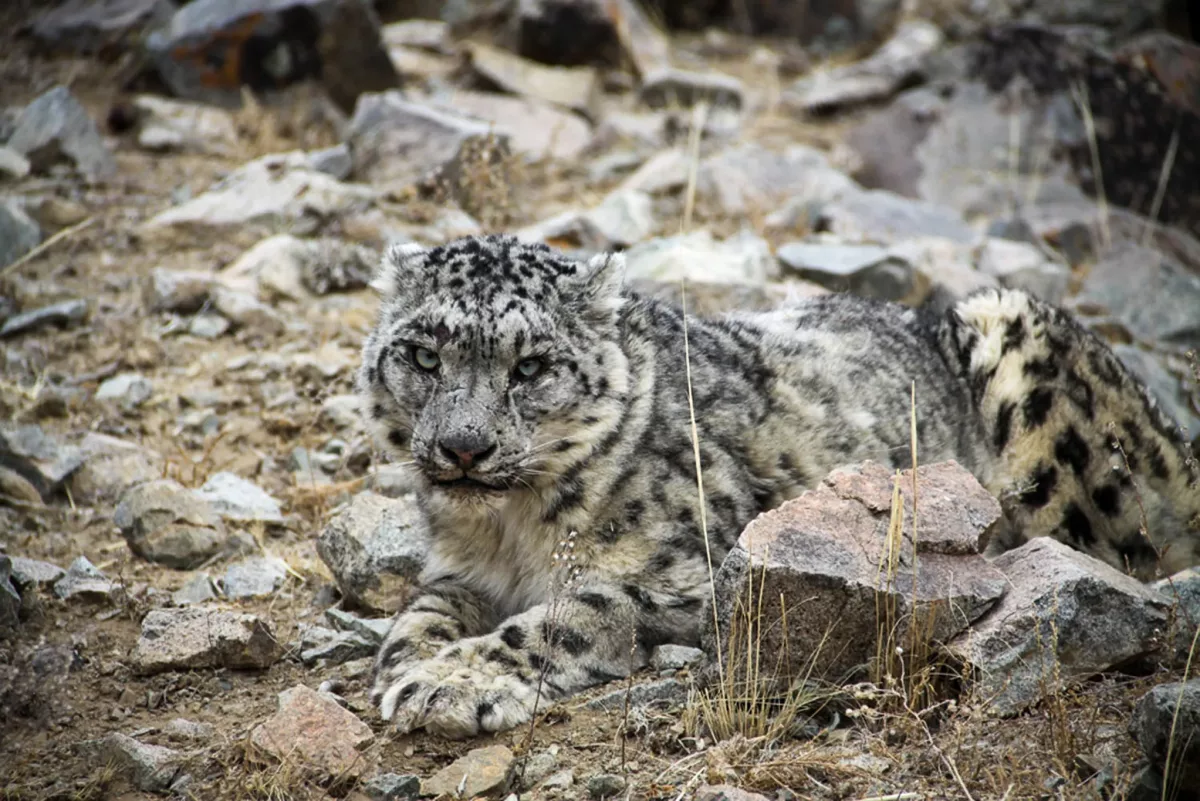
Beyond the human stories, Bayan-Ölgii holds something more elusive: the Himalayan snow leopard. Rare and almost spectral, these animals move through the high-altitude terrain with near invisibility, their smoke-grey coats dissolving into rock and snow. Local nomads speak of them as guardians of the mountains.
Tracking the snow leopard is an exercise in patience and attention. Days can pass with nothing more than prints in powder and a distant movement on a ridge. Still, those who persist are often rewarded.
Journey through space and time
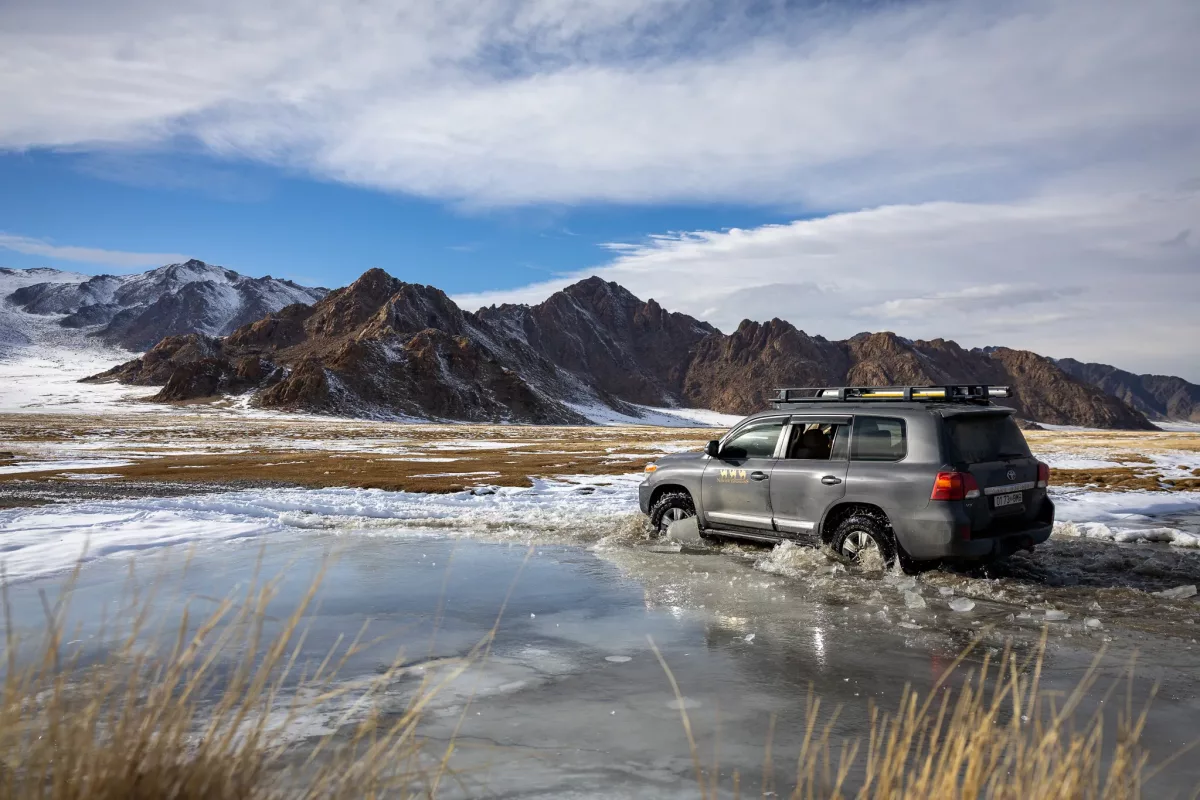
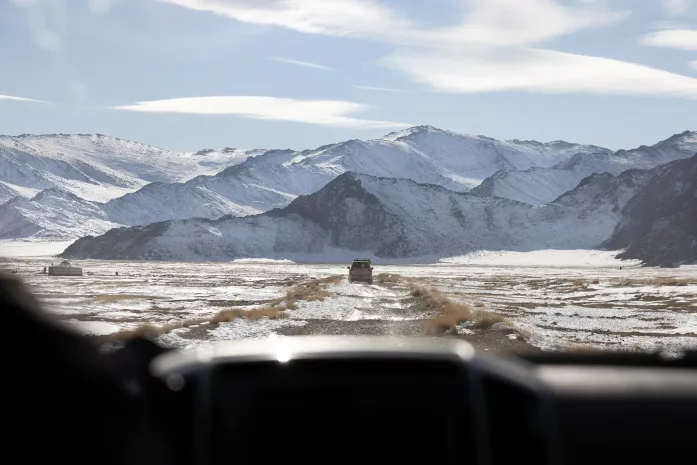
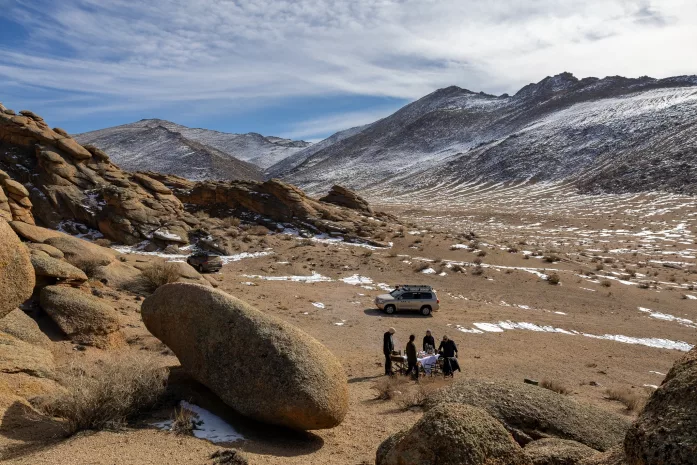
The journey through Mongolia is defined by constant transformation. Landscapes shift from jagged, snow-dusted peaks to grassy plateaus threaded with icy rivers, then to vast valleys scattered with time-worn boulders.
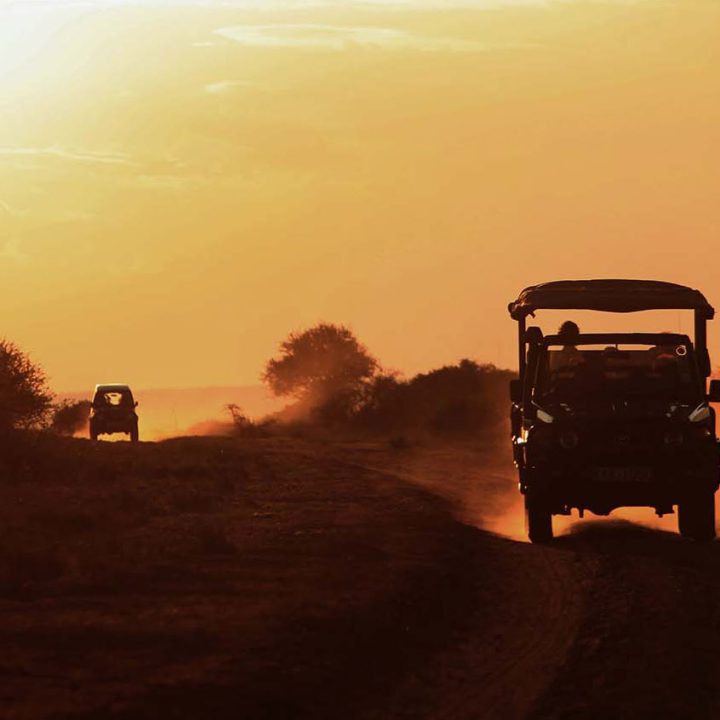
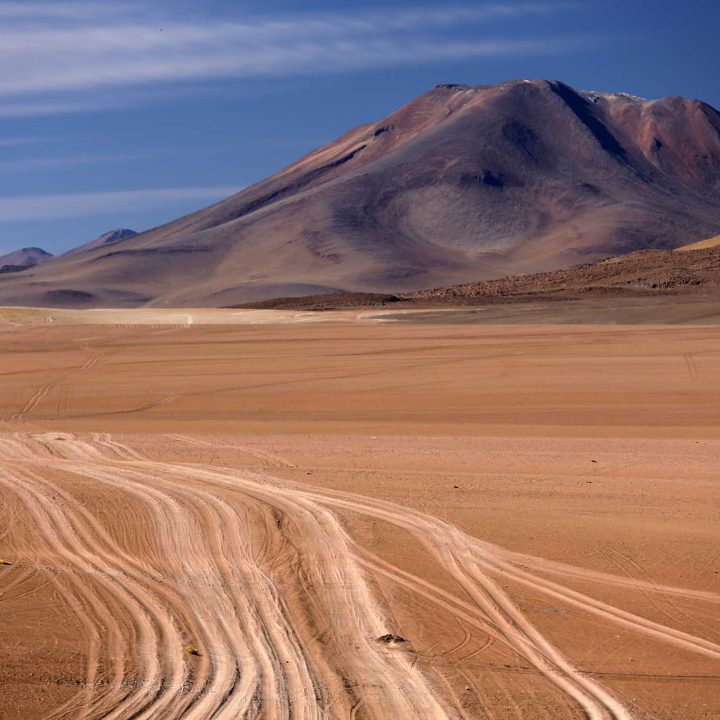
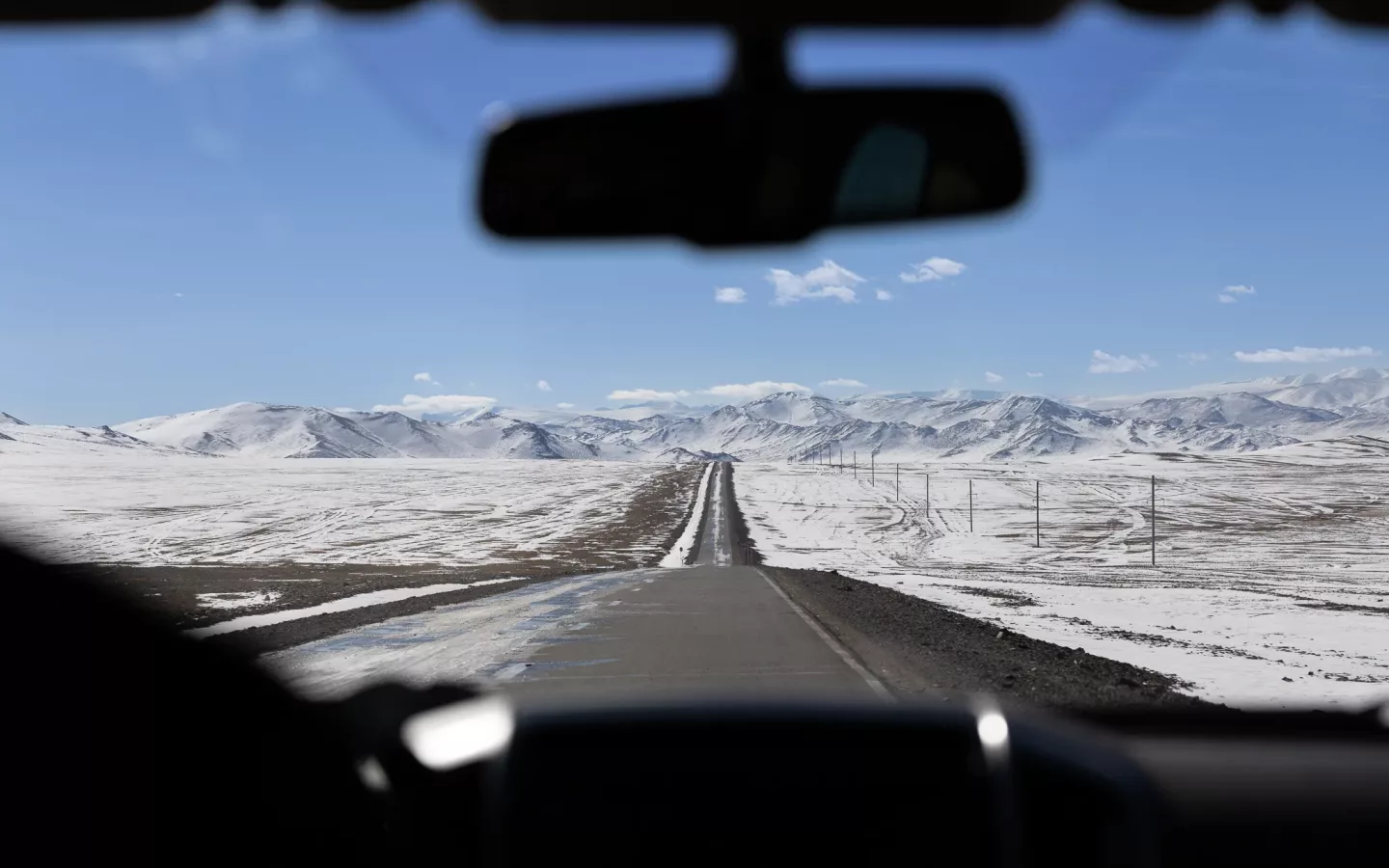
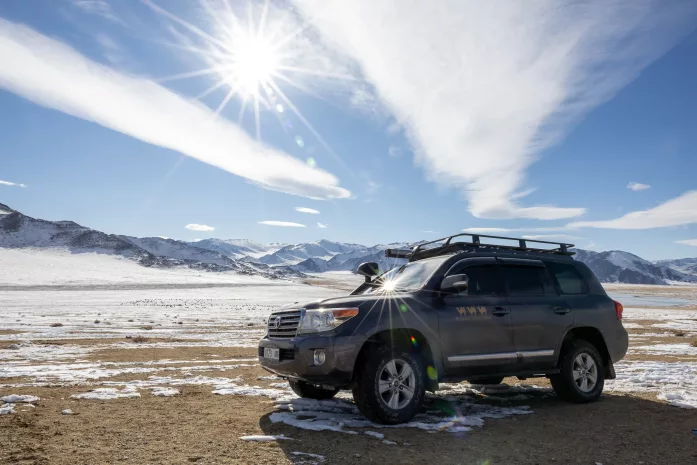
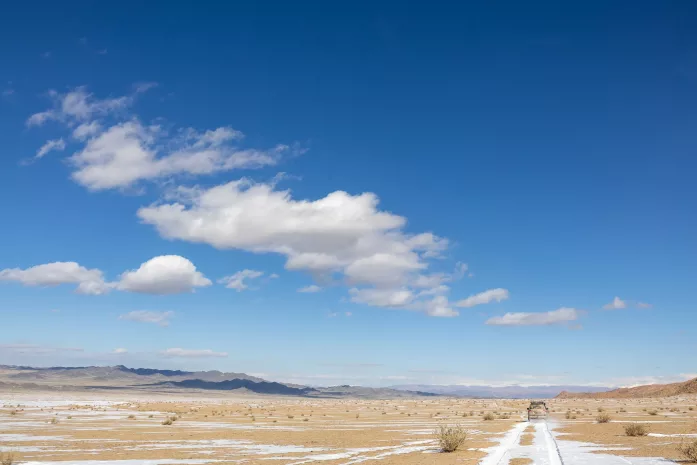
Navigation here is instinctive. Roads, as we understand them, rarely exist — only faint tyre tracks braided and re-braided across the land. Local drivers move with unshakeable assurance, navigating by a distinctive rock formation, a bend in a river, or just intuition.
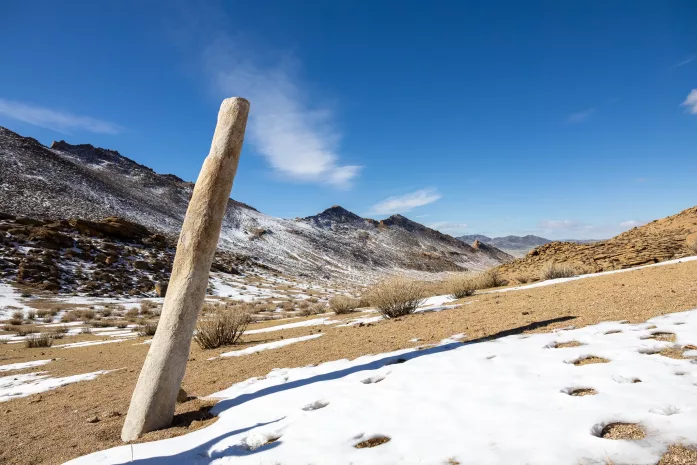
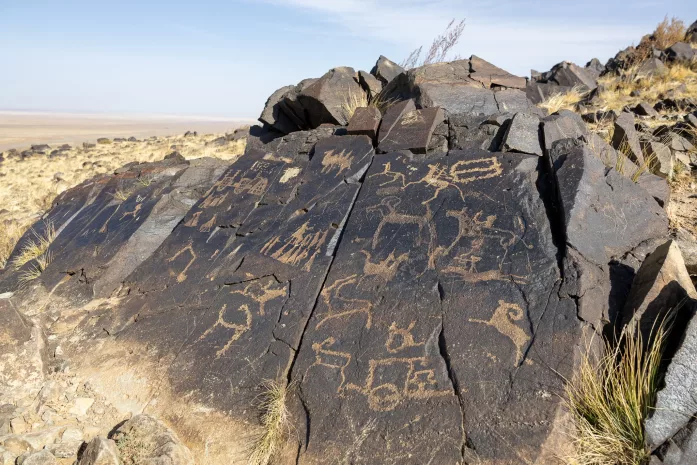
Even in the most remote regions, traces of human culture appear. Deer stones — Bronze Age monoliths adorned with intricate carvings — stand upright in the earth. Millennia-old petroglyphs depicting hunting scenes, ceremonies and daily life are found etched into rocks. And relics of shamanic tradition, once central to early Mongolian tribes, can also be found throughout the country. Shamans serve as intermediaries between the physical and spiritual worlds, performing rituals that are rooted in the worship of nature’s spirits.
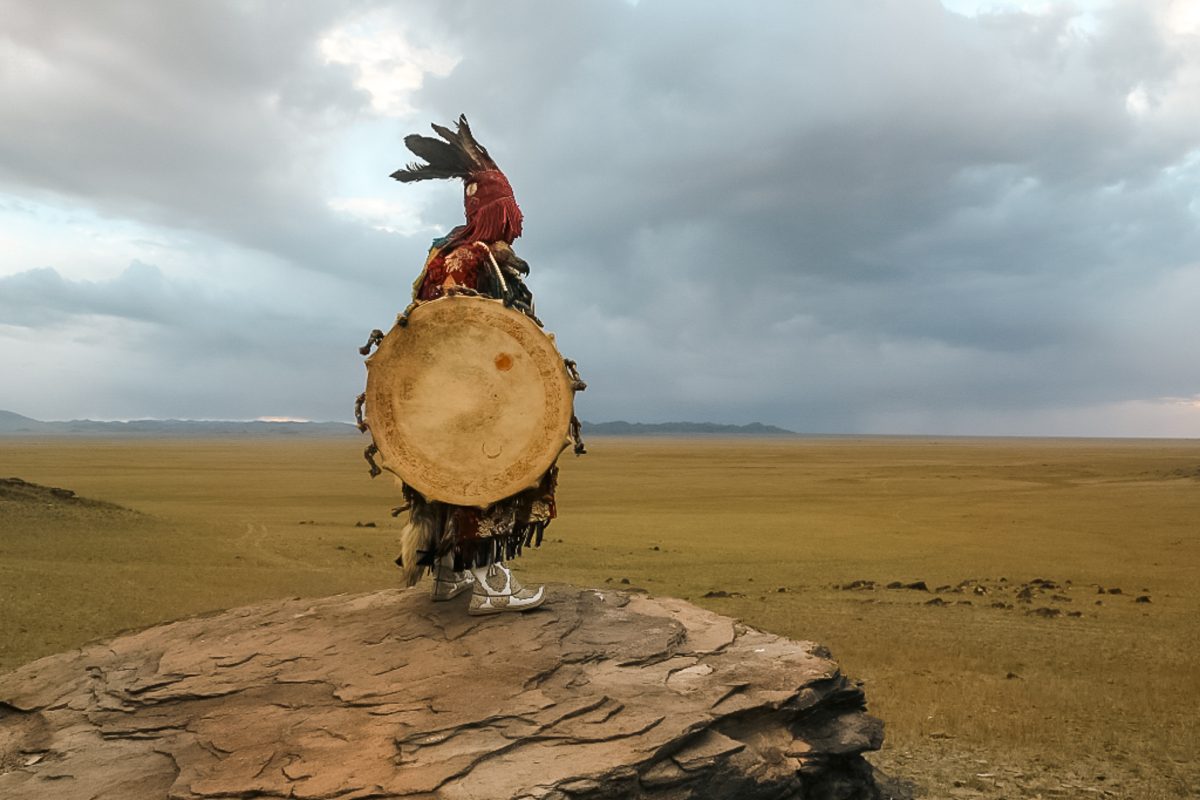
The Golden Gobi
As you move eastward, the country shifts again. Snow recedes, the land softens, and the Altai’s cool clarity gives way to the warm, expansive silence of the Gobi Desert.
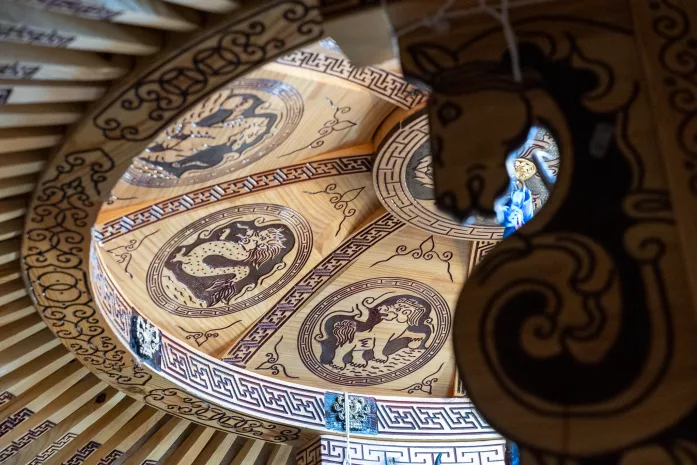
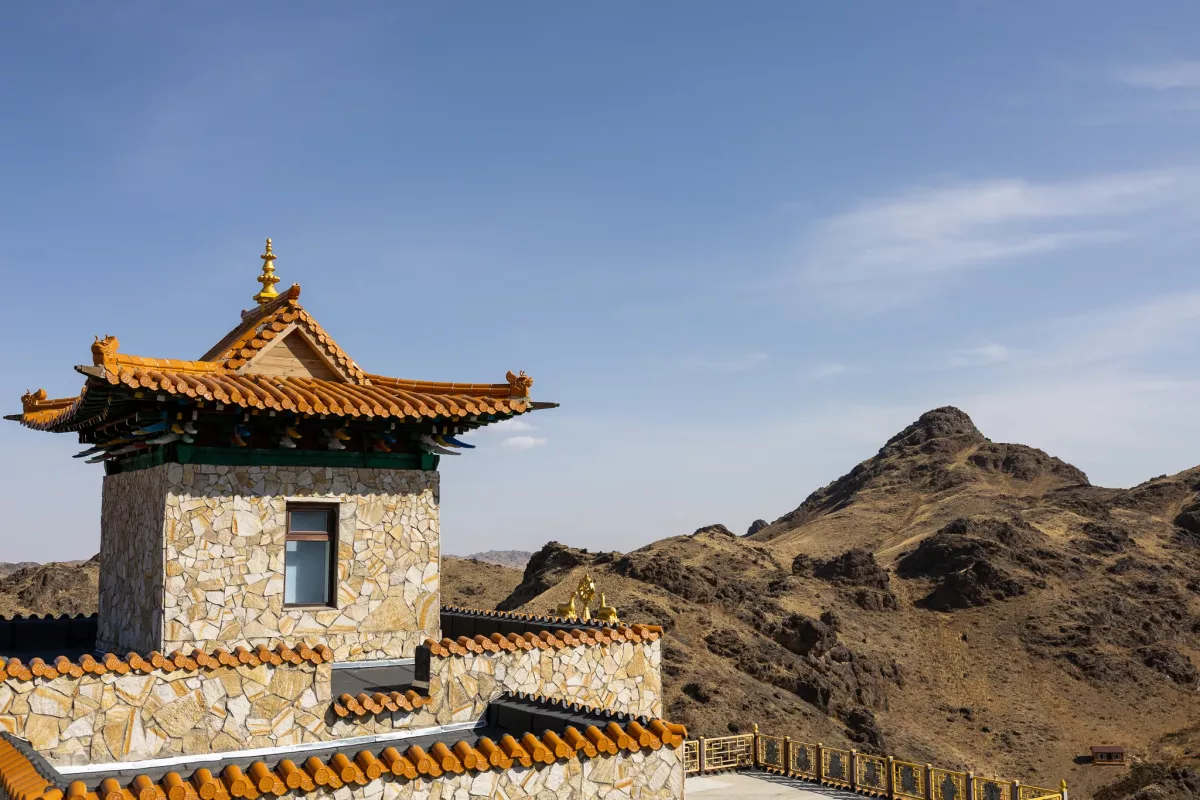
Arriving at the remote Three Camel Lodge, you encounter a different kind of refinement. Inspired by the traditional architecture of Central Asian Buddhist temples, the property blends naturally into its surroundings.
Private gers are outfitted with hand-carved furnishings, camel-hair blankets, and wood-burning stoves — comforting yet entirely in harmony with the desert and true to their heritage.
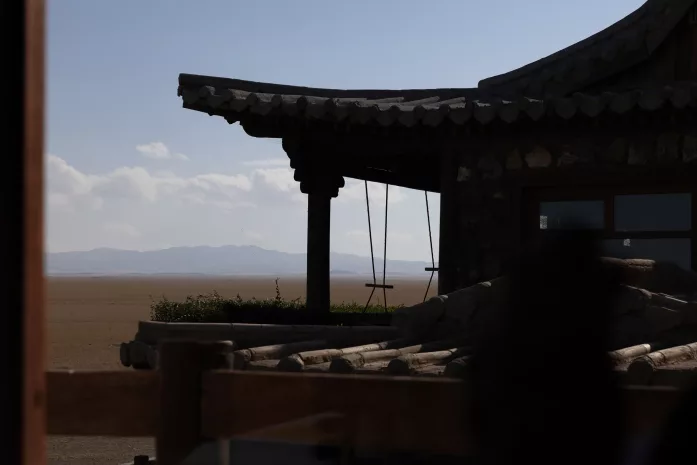
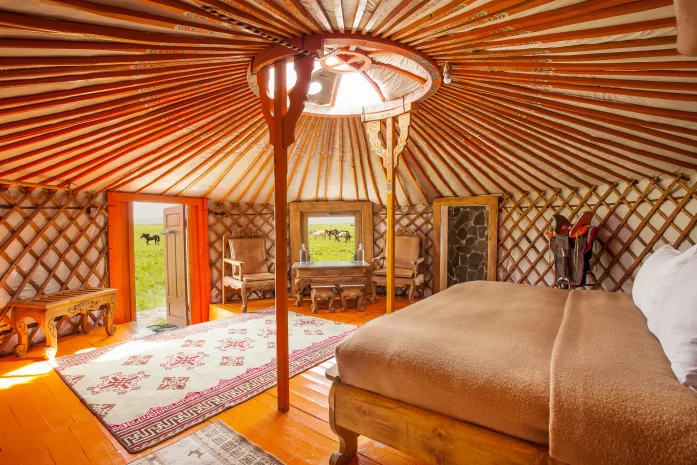
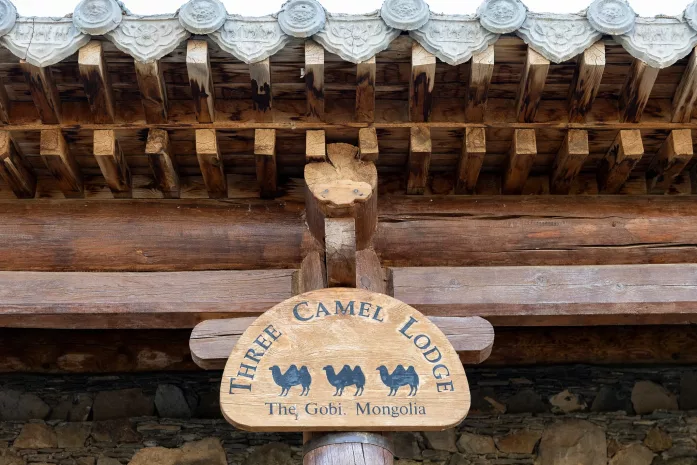
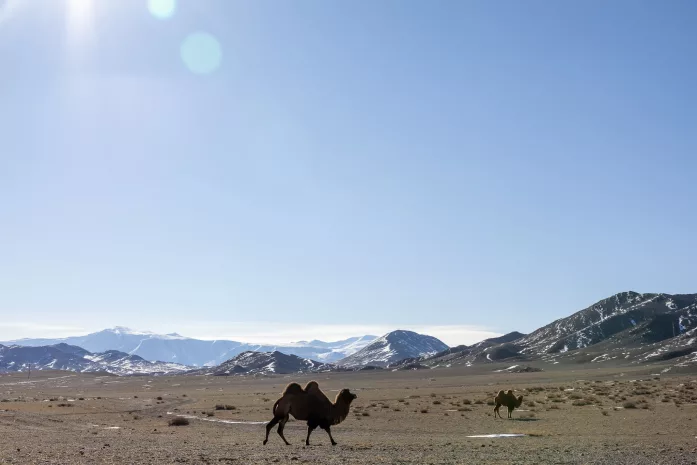
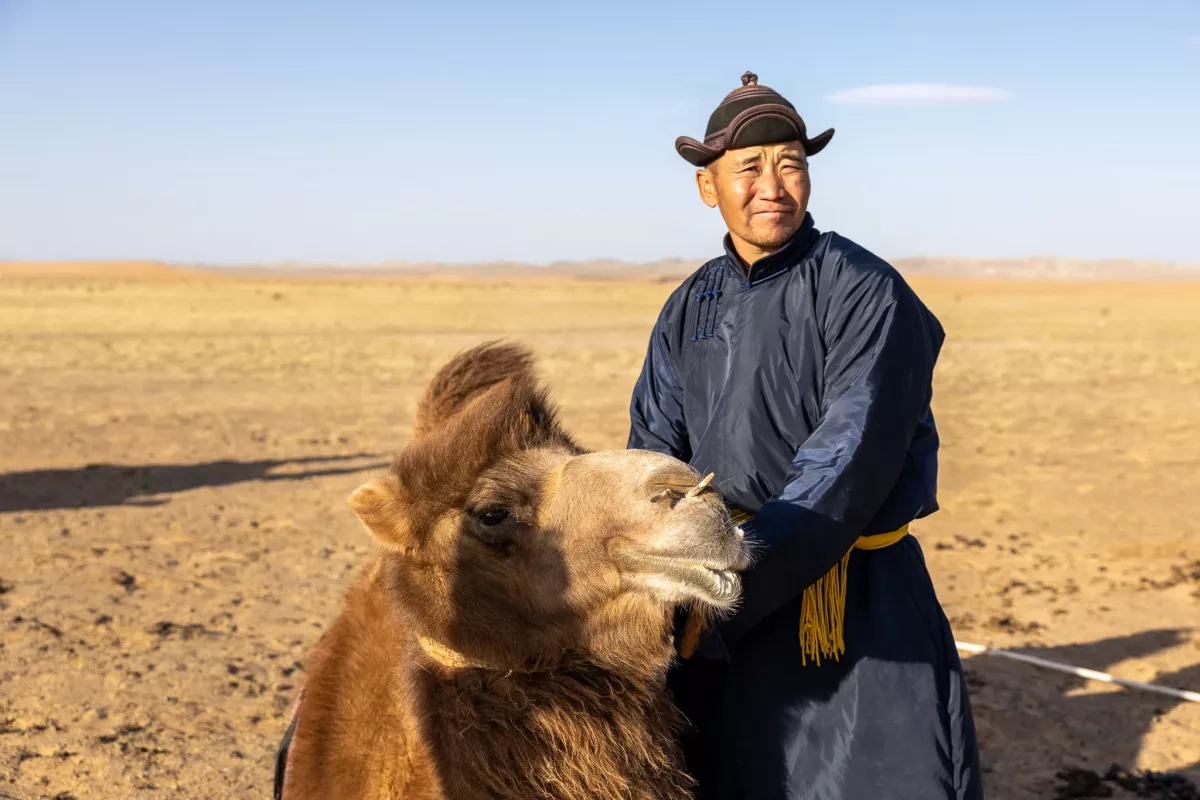
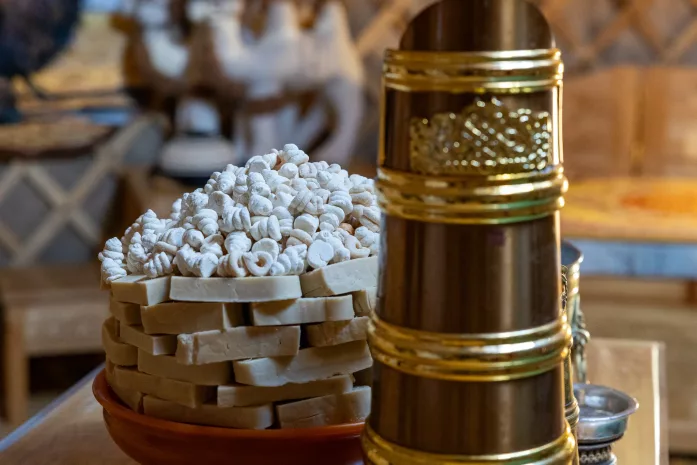
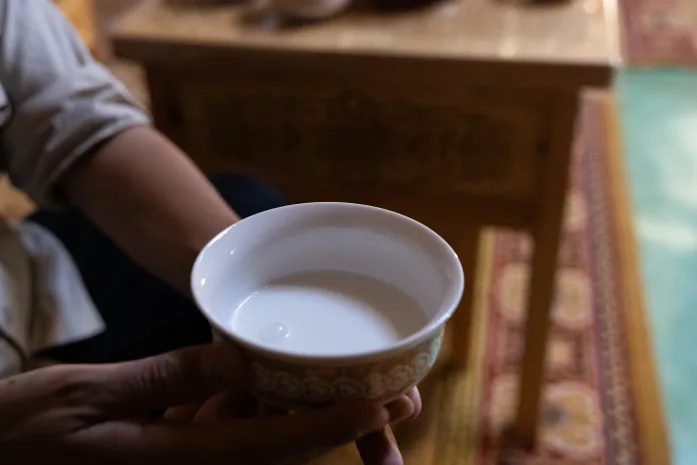
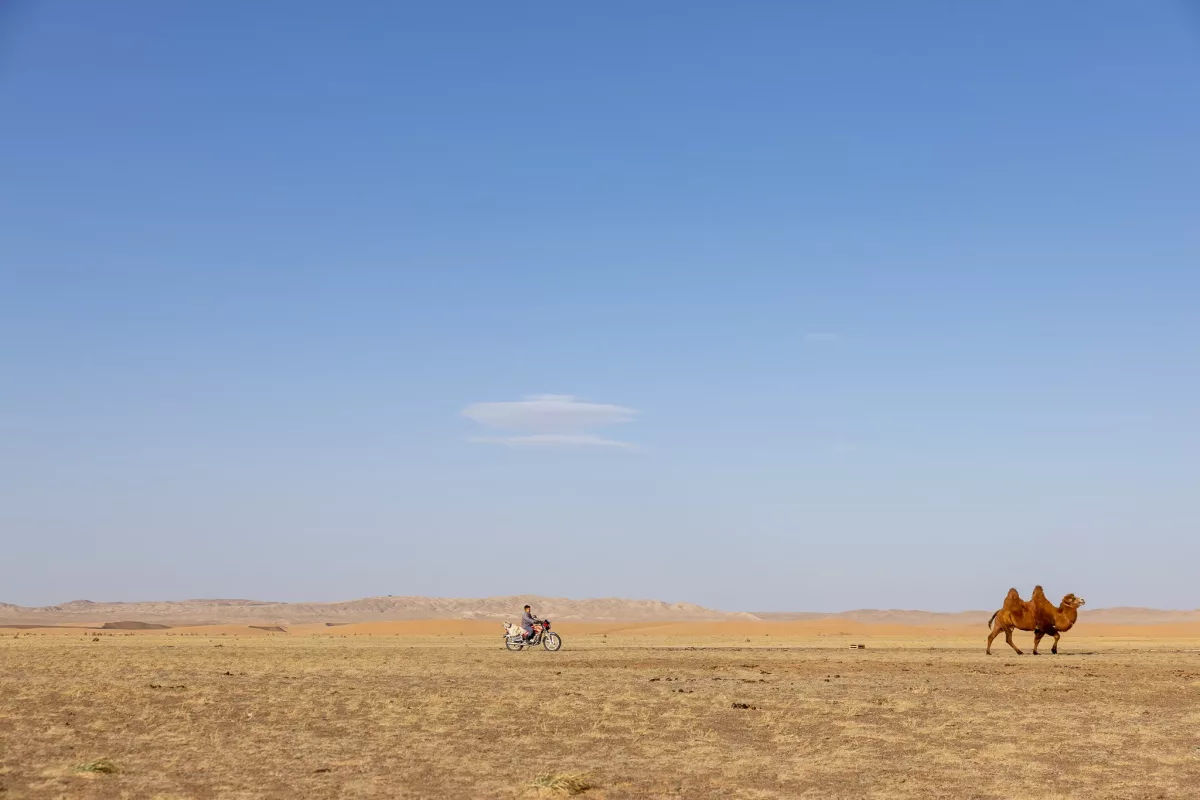
Life here exists at a gentler pace. Bactrian camels roam like prehistoric silhouettes against the horizon. Herds of cashmere goats trickle across the plains, their watchful nomad herding behind on an old motorbike. Nomadic families welcome visitors with fermented milk, distilled spirits, Mongolian buuz dumplings, and sun-hardened curd cheese — flavours shaped by the land and its seasons.
Digging Deep
The silence of the desert is a defining experience in itself. This is a place to withdraw, to recalibrate, to retreat.
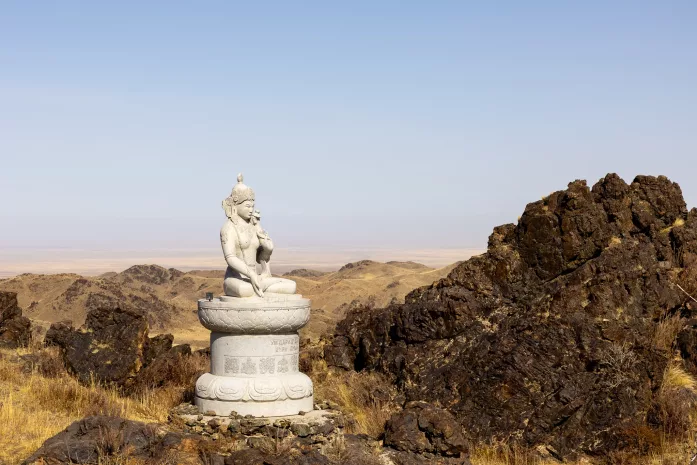
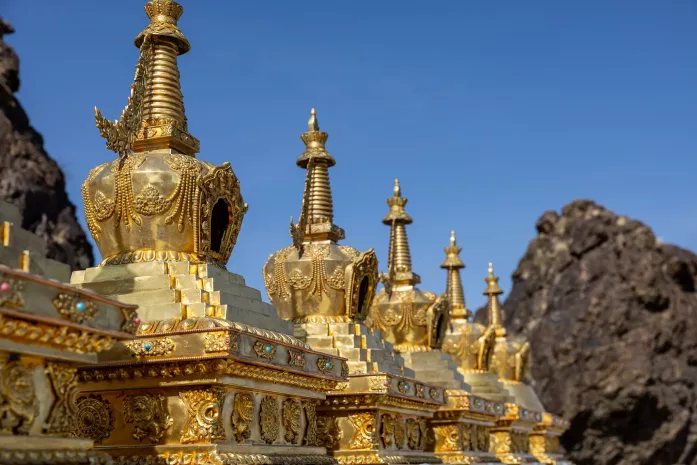
In a hillside temple, a monk leads quiet meditation as the breeze flows softly through long grass. Here, Buddhism and shamanism do not compete as ideologies, but instead coexist as layered expressions of Mongolia’s cultural depth.
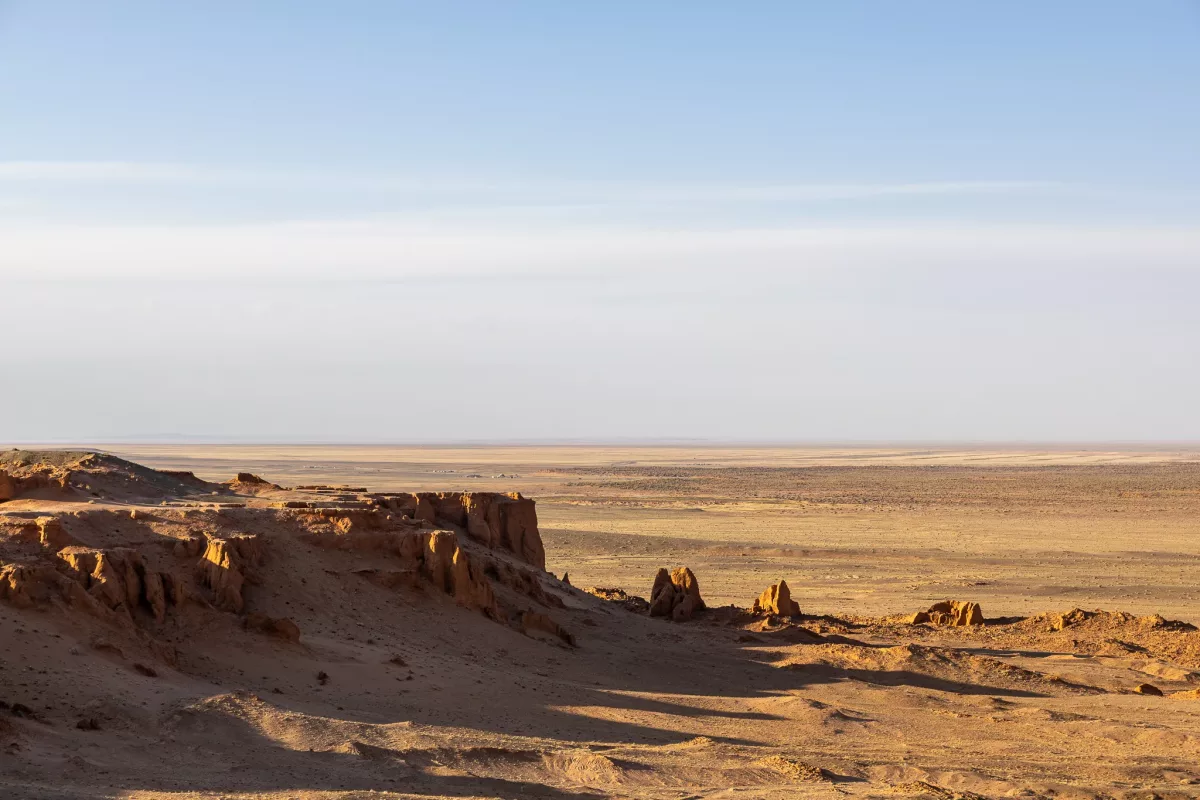
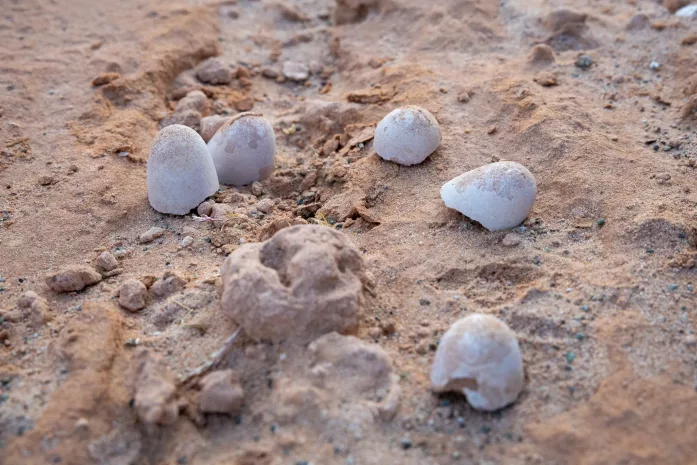
The Gobi itself holds deep time within its arid terrain. Once a lush landscape of lakes and forests, it is now one of the world’s most significant sites for dinosaur fossils. At the Flaming Cliffs — burnished orange against the desert expanse — archaeologist Roy Chapman Andrews discovered the first dinosaur eggs in the 1920s.
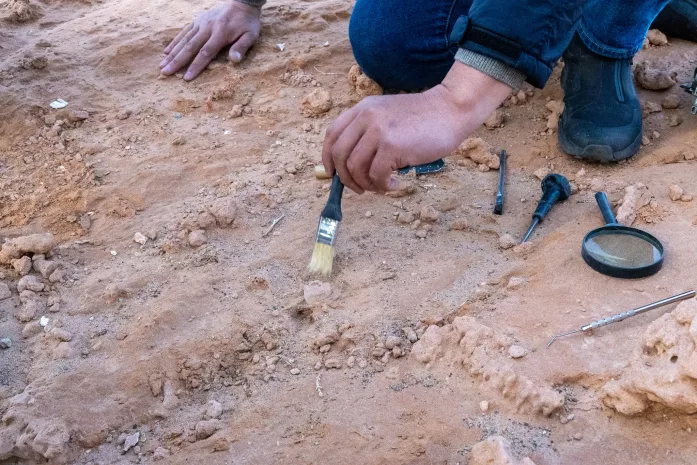
Today, the site continues to yield extraordinary finds. For those drawn to palaeontology, joining an active dig offers a rare but tangible connection to the past.
And throughout each day, music persists.
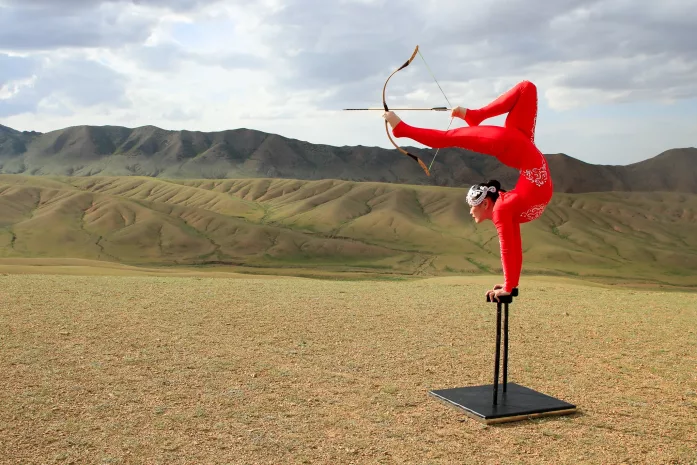
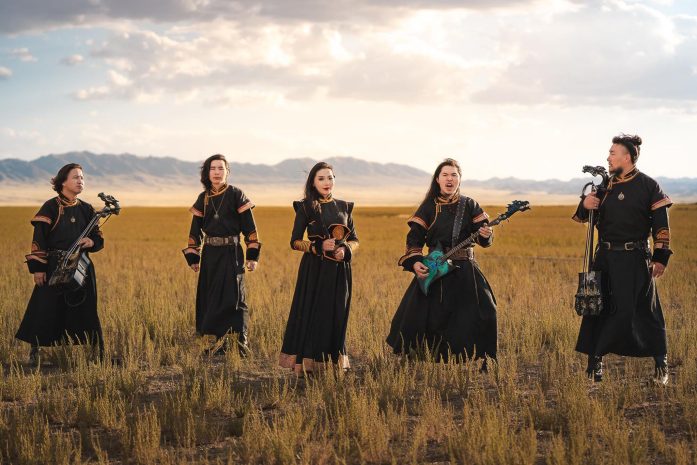
Throat singing merges with modern rock; the horse-head fiddle carries ancient tones into contemporary forms. Folk dancers twirl in vibrantly decorative dress. Young contortionists bend into impossible shapes. Mongolia’s next generation of performers are reinterpretting the traditions of their own culture, not through a nostalgic lens but as something alive and evolving.
By the time you return to Ulaanbaatar, the city feels different. Not smaller or less impressive, but contextualised as one part of a far larger narrative.
Mongolia’s vastness is undeniable, but it is not its only defining feature. What lingers is something far more human: a culture that endures within the land that shapes it.
As an old Mongolian proverb goes: “Only in wide open spaces can you truly have vision”.
Here, that vision extends beyond the landscape to the people, their history, and a way of life that remains, for many, still undiscovered.